Silicon is more than just the cornerstone of modern electronics, it’s a fascinating element in its own right. A metalloid with an atomic number of 14, silicon has a crystalline structure that gives it excellent semiconducting properties. It melts at 1414°C, conducts heat well, and forms stable oxides and polymers, making it remarkably adaptable. It’s also incredibly abundant, second only to oxygen in Earth’s crust, usually found as silica or silicates.
This combination of availability, chemical stability, and electronic behavior is why silicon is so widely used, not only in the tech industry, but across metallurgy, energy systems, and even biomedical engineering.
Below, we break down ten of the most relevant applications of silicon, from well-established to emerging. Where relevant, we’ll also note how AMAZEMET contributes to these domains through material development and advanced powder technologies.
1. Semiconductors and Microelectronics
Silicon’s semiconducting behavior makes it the foundation of integrated circuits. Nearly all digital devices are built on silicon wafers:
- CPUs and memory chips
- Power electronics in EVs and inverters
- Communication and sensing devicesa
It’s not just about conductivity, silicon is compatible with clean oxide layers, and its behavior under doping is predictable. Alternatives like GaAs exist, but silicon wins due to cost, maturity of processing, and wafer availability.

2. Photovoltaics and Solar Energy
Monocrystalline and polycrystalline silicon remain the primary materials in solar cells. Despite the buzz around perovskites, silicon still leads the PV market, thanks to:
- High conversion efficiency
- Long-term stability
- Scalable production methods
You’ll find it in rooftop panels, industrial arrays, and even solar-powered transport systems. It remains the material of choice for large-scale solar deployment.

3. Alloying in Metallurgy
In metal processing, silicon plays multiple roles:
- Deoxidizer during steel production
- Strengthener in cast aluminum
- Toughness enhancer in high-performance copper alloys
It also contributes to corrosion resistance and castability, particularly important in automotive and aerospace components.

4. Glass, Ceramics, and Refractory Materials
Most people interact with silicon daily in the form of silica (SiO₂). It’s a core ingredient in:
- Window and laboratory glass
- Ceramic insulators and structural parts
- High-temperature refractories (like kiln bricks)
The thermal and chemical stability of silica makes it indispensable in materials that must withstand stress, heat, or chemical exposure.
5. Silicones: Everyday Polymers
When silicon is bonded with organic groups, it forms silicones, flexible, inert polymers used in:
- Kitchen and baby products (bakeware, bottle nipples)
- Medical implants and tubing
- Industrial lubricants and sealants
Silicones combine the best of two worlds: the durability of silicon and the adaptability of organic chemistry.

6. MEMS and Sensor Devices
Microelectromechanical systems (MEMS) are built using silicon not just as a semiconductor, but also as a mechanical material. These devices are embedded in:
- Smartphone motion sensors
- Automotive crash detection
- Industrial fluid and pressure control
MEMS leverage microfabrication techniques from the chip world, allowing silicon to serve as both a functional and structural material.
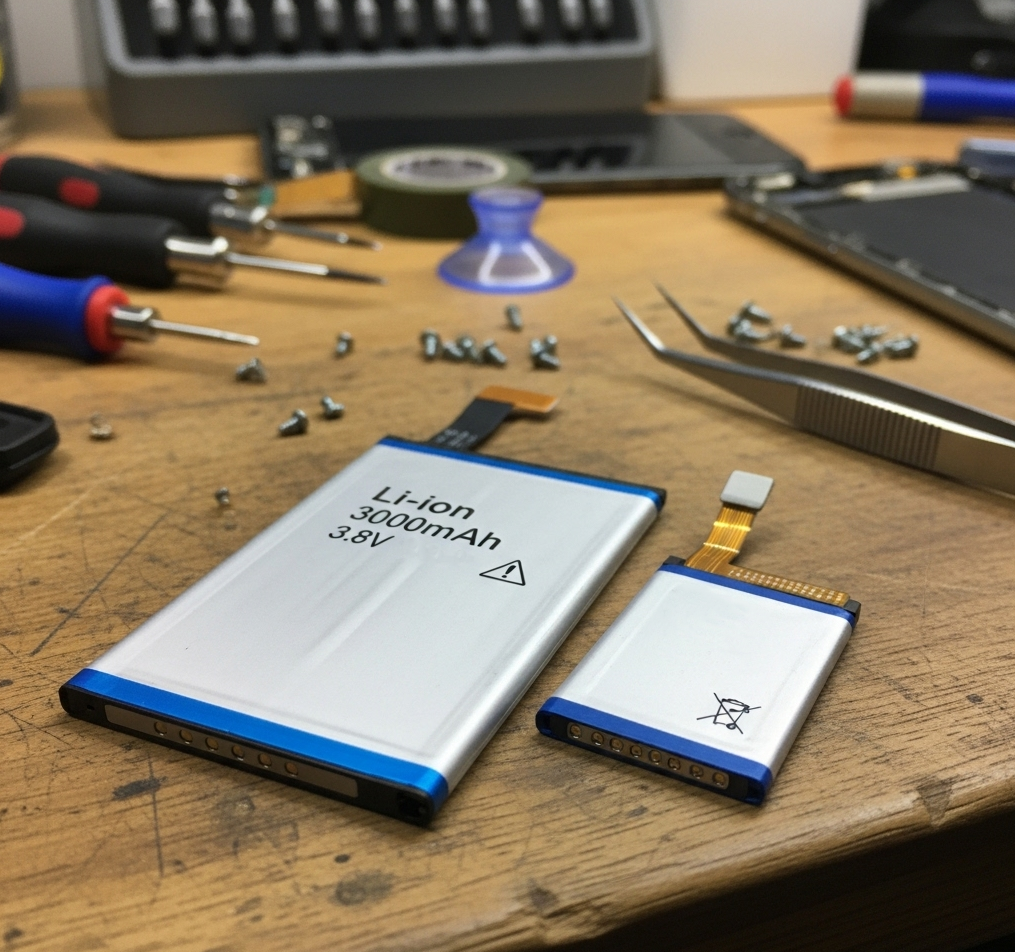
7. Energy Storage: Silicon in Lithium-Ion Batteries
Replacing graphite anodes with silicon can drastically increase battery capacity:
- Silicon stores ~10× more lithium than graphite
- Potential for longer-lasting, high-performance batteries
The challenge? Volume expansion during cycling, which can crack particles. Research into silicon nanostructures and composites is making real progress, bringing silicon anodes closer to commercial use.
8. Metallurgical-Grade Silicon (MG-Si)
Not all silicon ends up in electronics. MG-Si, produced in electric arc furnaces from quartz, is used for:
- Foundry and casting alloys
- Silicon-based chemicals and polymers
- Precursor for solar-grade and electronic-grade silicon
It’s less pure, but far more economical, and absolutely essential in bulk industrial chemistry.
9. Additive Manufacturing and Silicon Powder
Silicon is gaining attention in additive manufacturing (AM), especially in powder form. With the right size distribution and purity, silicon powders can be used for:
- Thermal barrier structures
- Printed electronics and microsensors
- Smart, lightweight mechanical components
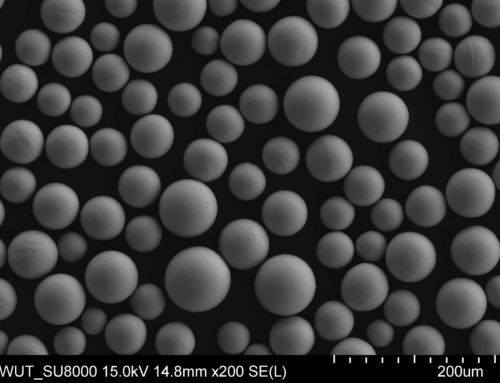
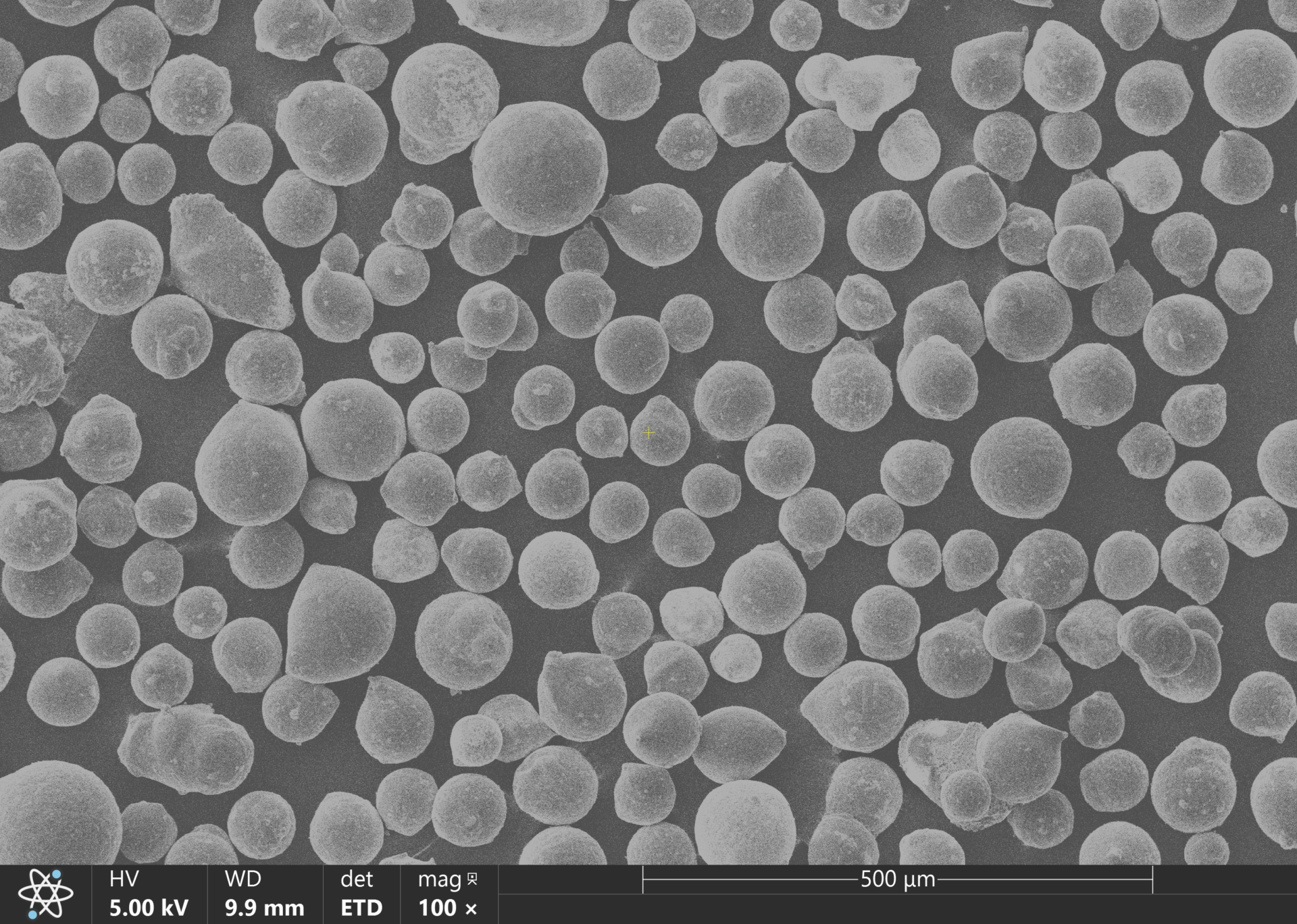
Here, particle morphology and flowability matter. With ultrasonic atomization, it’s possible to precisely tune powder characteristics. At AMAZEMET, we produce tailored silicon powder for R&D and industrial AM processes, supporting researchers looking to bridge lab innovation and real-world production
10. Silicon in Advanced Materials Research
Silicon is gaining attention in additive manufacturing (AM), especially in powder form. With the right size distribution and purity, silicon powders can be used for:
- Thermal barrier structures
- Printed electronics and microsensors
- Smart, lightweight mechanical components
Here, particle morphology and flowability matter. With ultrasonic atomization, it’s possible to precisely tune powder characteristics. At AMAZEMET, we produce tailored silicon powder for R&D and industrial AM processes, supporting researchers looking to bridge lab innovation and real-world production
Silicon at AMAZEMET
Our work at AMAZEMET focuses on powder metallurgy and advanced material development. Our devices are capable to manufacture pure silicon powders and silicon-based alloys like SiGe, used in areas ranging from MEMS to energy systems. Using our in-house ultrasonic atomizer, we can fine-tune particle size, morphology, and purity, which is critical for:
- Research in sensor and MEMS development
- Silicon-based AM of functional components
- Next-generation battery materials
🔗 Learn more about our metal powders or contact us to discuss customized silicon solutions for your research or development needs.
Share this content!