

INTRODUCTION
LASER CLADDING
LASER CLADDING
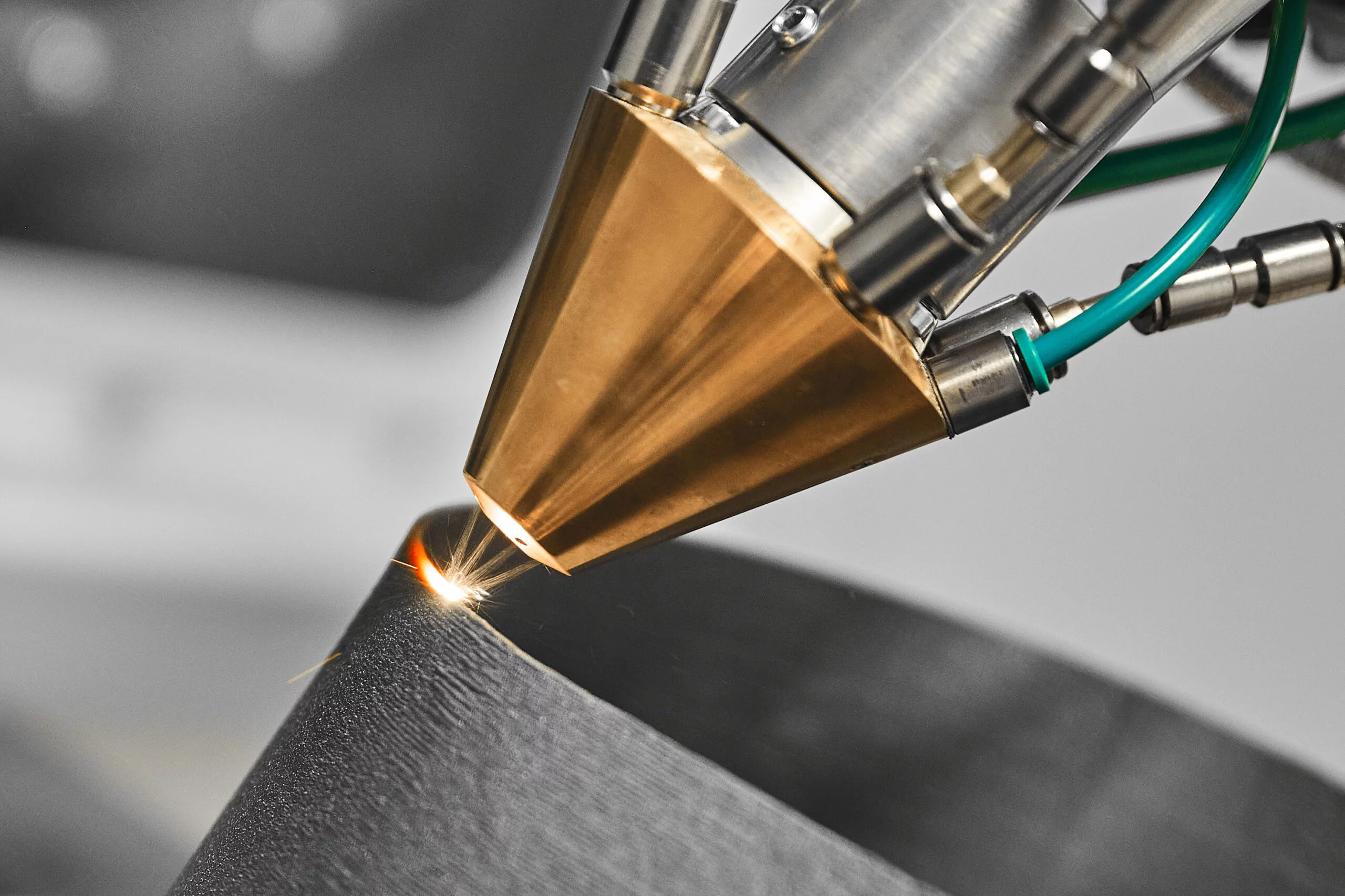
Laser Cladding is an advanced metal deposition technique used to enhance the surface properties of components by fusing metal feedstock—often in powder form—onto a substrate with a high-powered laser. This process creates high-performance coatings that improve wear resistance, corrosion protection, and overall component longevity. By controlling the laser beam and powder feed system, engineers can precisely regulate heat input, reducing thermal distortion in the substrate. Such precision makes Laser Cladding particularly valuable in industries like aerospace and energy, where components must withstand extreme conditions, as well as in automotive and manufacturing sectors that demand robust part performance. Beyond improving new parts, Laser Cladding also excels at repairing and restoring worn or damaged components, extending their service life without the need for full replacement.
Scope of Deposition
- Laser Cladding typically focuses on surface coatings and repairs, adding a relatively thin layer of material to enhance specific properties such as wear and corrosion resistance.
- DED can be used to build up larger structures or near-net shapes, making it suitable not only for coatings but also for manufacturing or repairing entire sections of a part.
Precision and Heat Input
- Laser Cladding relies on a tightly focused laser beam and fine powder feed, enabling precise heat control and minimal dilution with the substrate. This characteristic is especially beneficial in applications demanding high dimensional accuracy and low thermal distortion.
- DED can include various processes (e.g., laser-based, electron beam, or plasma arc). Some forms of DED involve higher heat inputs, enabling faster deposition rates but potentially resulting in greater thermal impact on the workpiece.
Feedstock Considerations
- Laser Cladding generally uses spherical or near-spherical powders for uniform melt pool dynamics, but can also accommodate wires in some specialized systems.
- DED processes are flexible regarding feedstock. Many DED setups can handle powder or wire, broadening the range of suitable materials for part fabrication or restoration.
Application Focus
- Laser Cladding is widely adopted for localized surface treatments, coating repairs, and adding wear- or corrosion-resistant layers to critical components. Typical uses include turbine blade tip repairs, mold tooling refurbishment, and automotive part hard-facing.
- DED has a broader scope, used for both component repair and near-net shape manufacturing. In industries like aerospace or oil and gas, DED can build or reconstruct major portions of large, high-value parts.
THERMAL SPRAY TECHNOLOGY
Key Challenges in Laser Cladding Technology
01
High Powder Costs and Waste
Metallic powders designed for Laser Cladding can be costly, especially when specialized alloys are needed for applications requiring specific mechanical or chemical properties. In many operations, only a fraction of the delivered feedstock is effectively deposited, leaving significant amounts of leftover powder that may degrade if not handled properly. This situation not only increases production expenses but also complicates inventory management and can limit the scalability of Laser Cladding.
02
Inconsistent Powder Quality
Particle size distribution, morphology, and purity levels critically influence the cladding results. Over multiple production runs, powder can absorb moisture or oxidize, which can affect the melt pool’s stability. Re-used powders can also develop clumps, leading to uneven flow rates that compromise coating uniformity and potentially weaken the clad layer.
03
Complex Material Requirements
Many industries have stringent demands regarding part performance—such as high-temperature stability or resistance to stress corrosion cracking. Consequently, they often require custom alloys or tightly controlled powder size distributions. These specialized powders can be difficult to source at scale, introducing supply chain challenges and extending lead times.
04
Environmental Impact
Discarded or partially used powders contribute to waste streams, posing concerns for companies focused on improving sustainability metrics. Moreover, strict environmental regulations may demand proper disposal or recycling of metallic powders, adding financial and administrative burdens that can deter widespread Laser Cladding adoption.
Potential Solutions
Reducing material waste and cutting production costs in laser cladding starts with smarter powder management. From advanced recycling systems to adaptive process controls, these strategies help manufacturers maximize powder utilization, ensure consistent quality, and support sustainability goals—all while maintaining the flexibility to meet evolving material demands.
Powder Recycling & Refinement
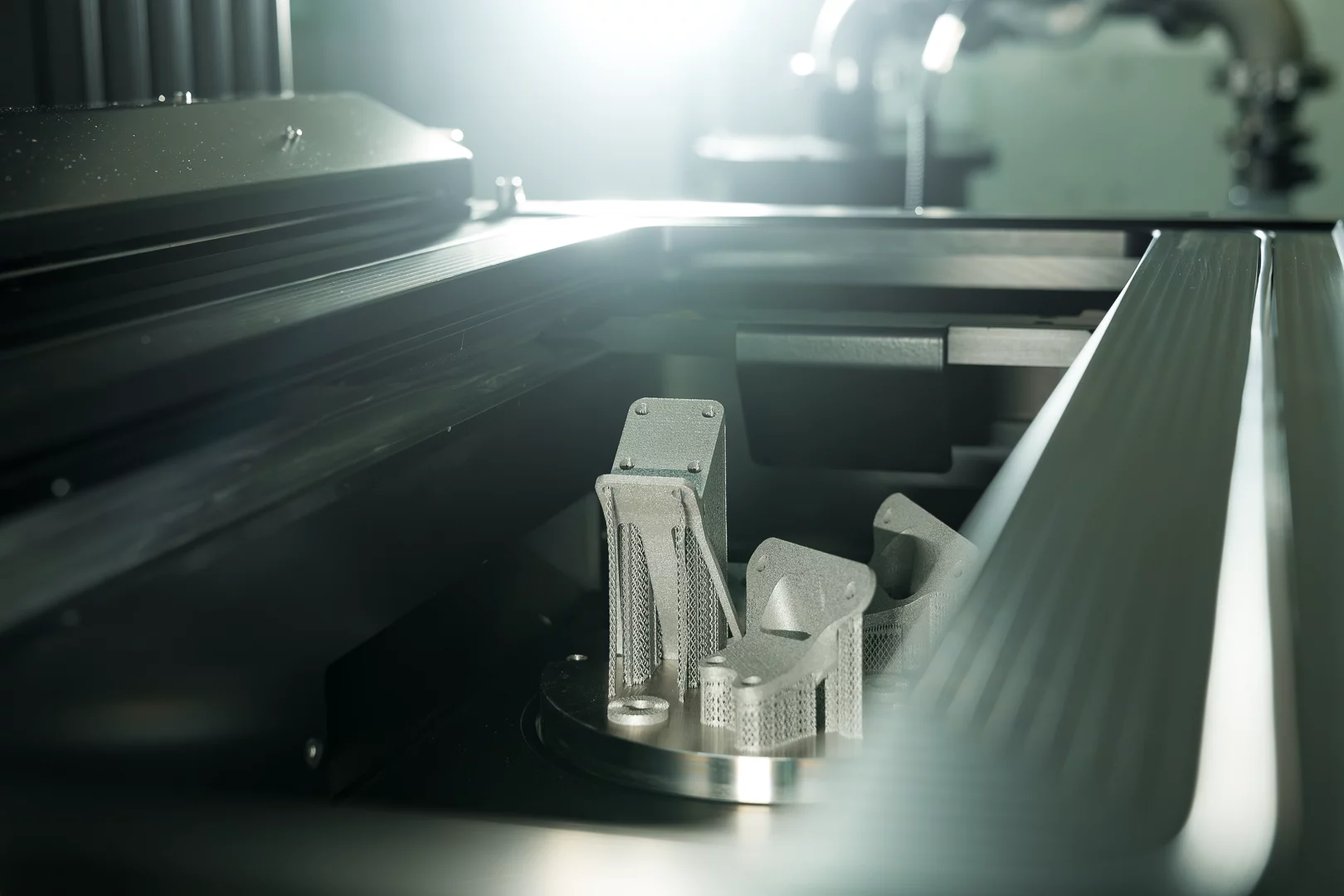
Advanced recycling systems can recover and recondition excess powders, restoring optimal particle size distribution, morphology, and cleanliness. These techniques help preserve the mechanical properties of the final clad layer and drastically reduce overall powder consumption. By implementing recycling, companies can decrease operational costs and ensure a more consistent feedstock supply.
On-Site Powder Modification
In-house equipment that can tailor alloy compositions or refine particle sizes provides significant flexibility. This capability allows manufacturers to shift production between different material requirements quickly and cost-effectively without depending on external suppliers to create custom powders on short notice.
Closed-Loop Production
A system where powders are continuously reclaimed, refined, and reintroduced into the cladding process can substantially lower material costs while simultaneously reducing environmental impact. Such a closed-loop approach aligns well with corporate sustainability goals, preventing the discard of partially used powders and promoting efficient resource use.
Adaptive Process Controls
Real-time monitoring of parameters—such as laser power, powder feed rate, and melt pool temperature—enables precision control over the cladding process. By dynamically adjusting these variables, manufacturers can minimize powder waste, stabilize the clad microstructure, and maintain tight quality standards, even when reusing powders or switching between different materials.

Why Choose AMAZEMET?
AMAZEMET is a pioneering company in metal powder solutions, offering comprehensive expertise for Laser Cladding applications. Our core team features multiple PhDs in Materials Science and Engineering, who actively publish research papers in top-tier journals and spearhead ambitious project proposals aimed at pushing the boundaries of advanced metallurgy. Drawing on decades of research experience, we collaborate with organizations of all sizes—from academic institutions investigating novel alloy chemistries to major industrial manufacturers seeking to optimize their production lines.
By combining scientific rigor with sustainable practices, AMAZEMET helps companies maintain superior product quality while reducing powder-related costs. We are particularly adept at formulating new alloys, analyzing powder properties for enhanced uniformity, and ensuring minimal environmental impact through efficient material usage. Our dedication to academic excellence also opens doors for research partnerships, enabling us to co-develop new technologies with universities, R&D labs, and industry leaders.
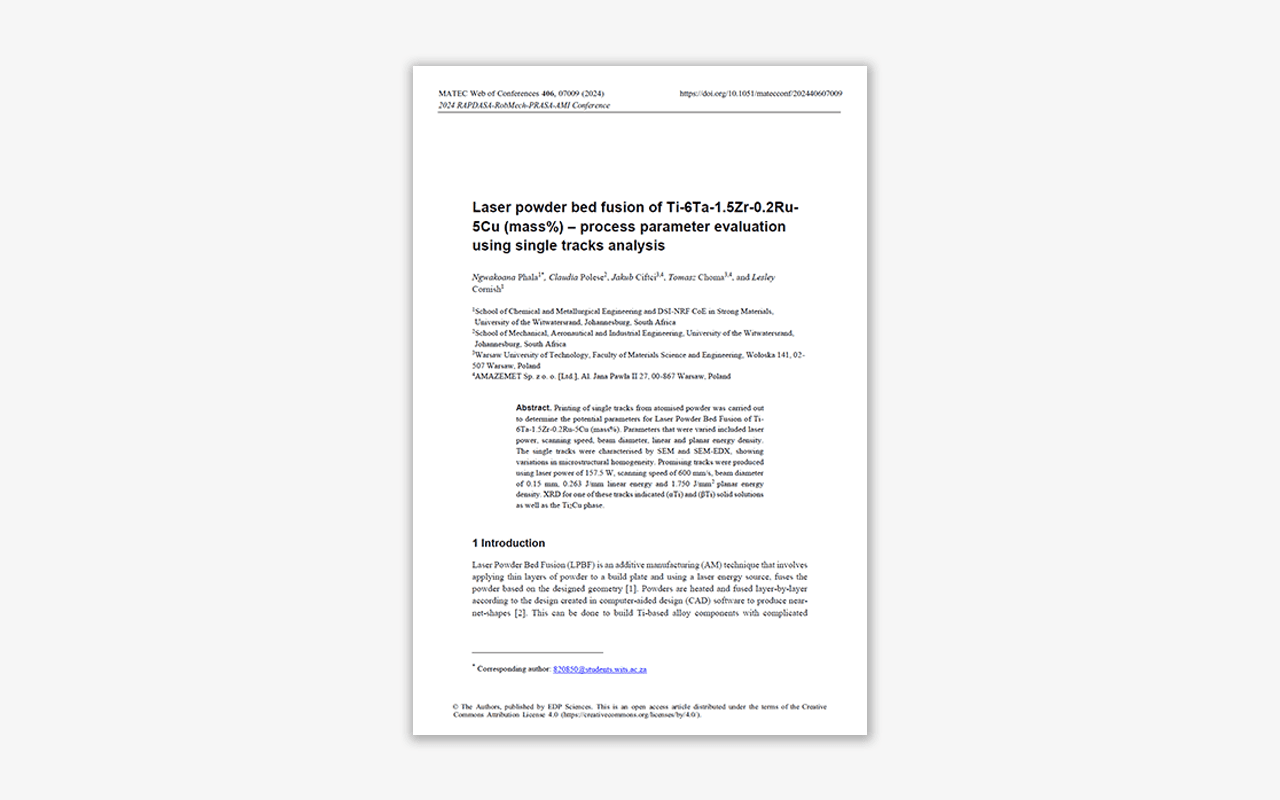
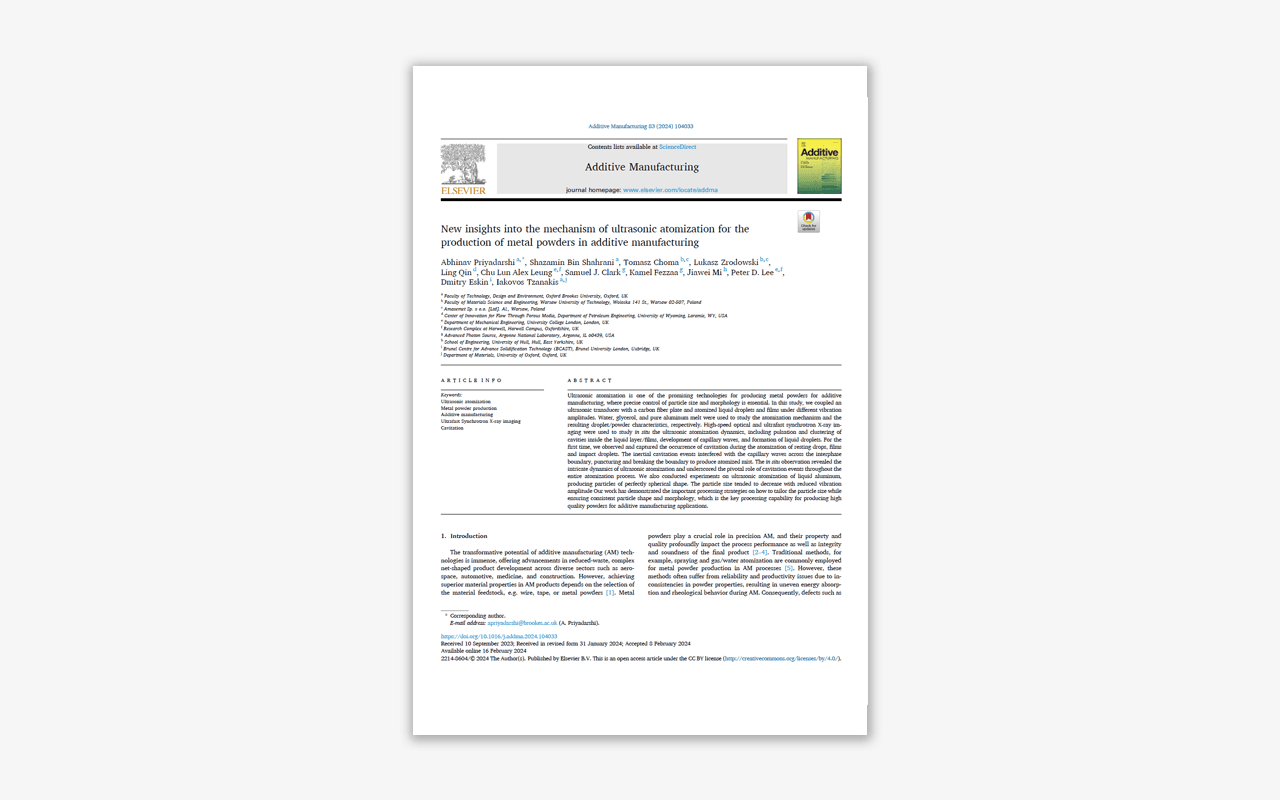
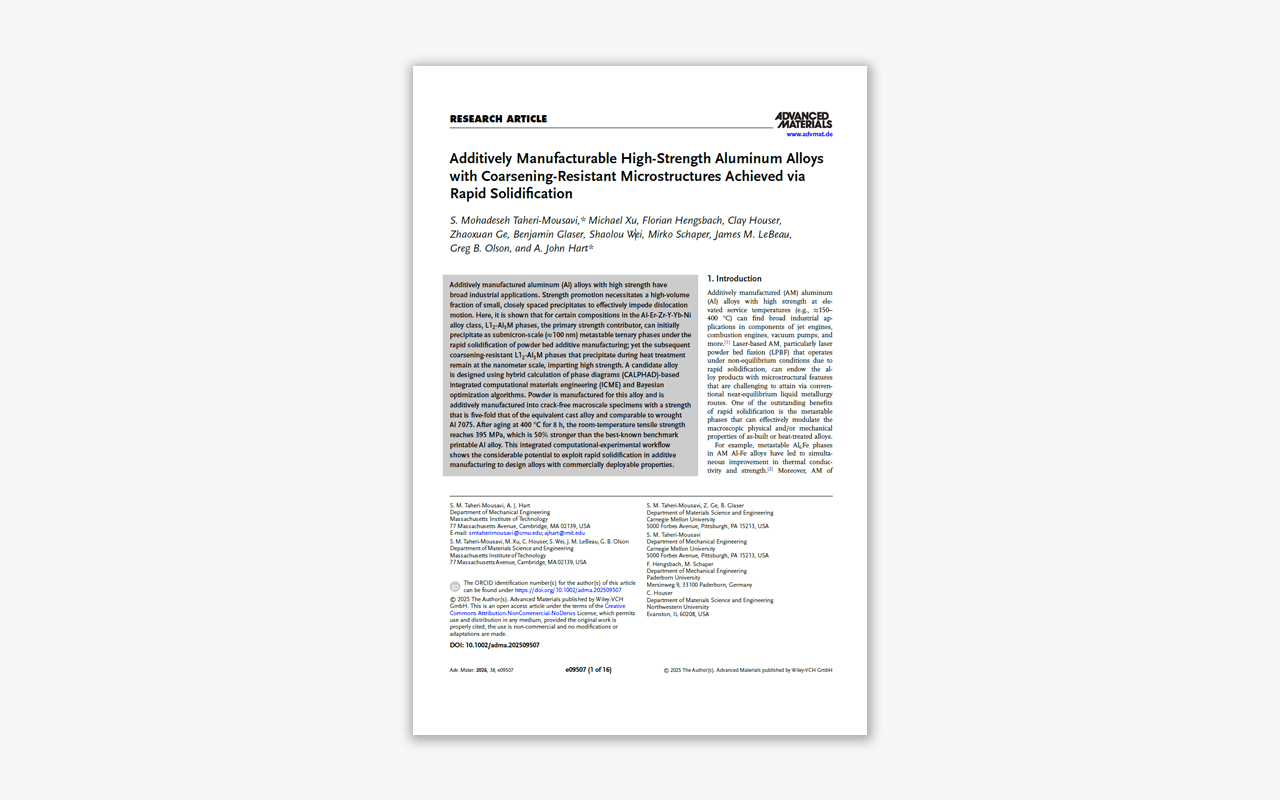
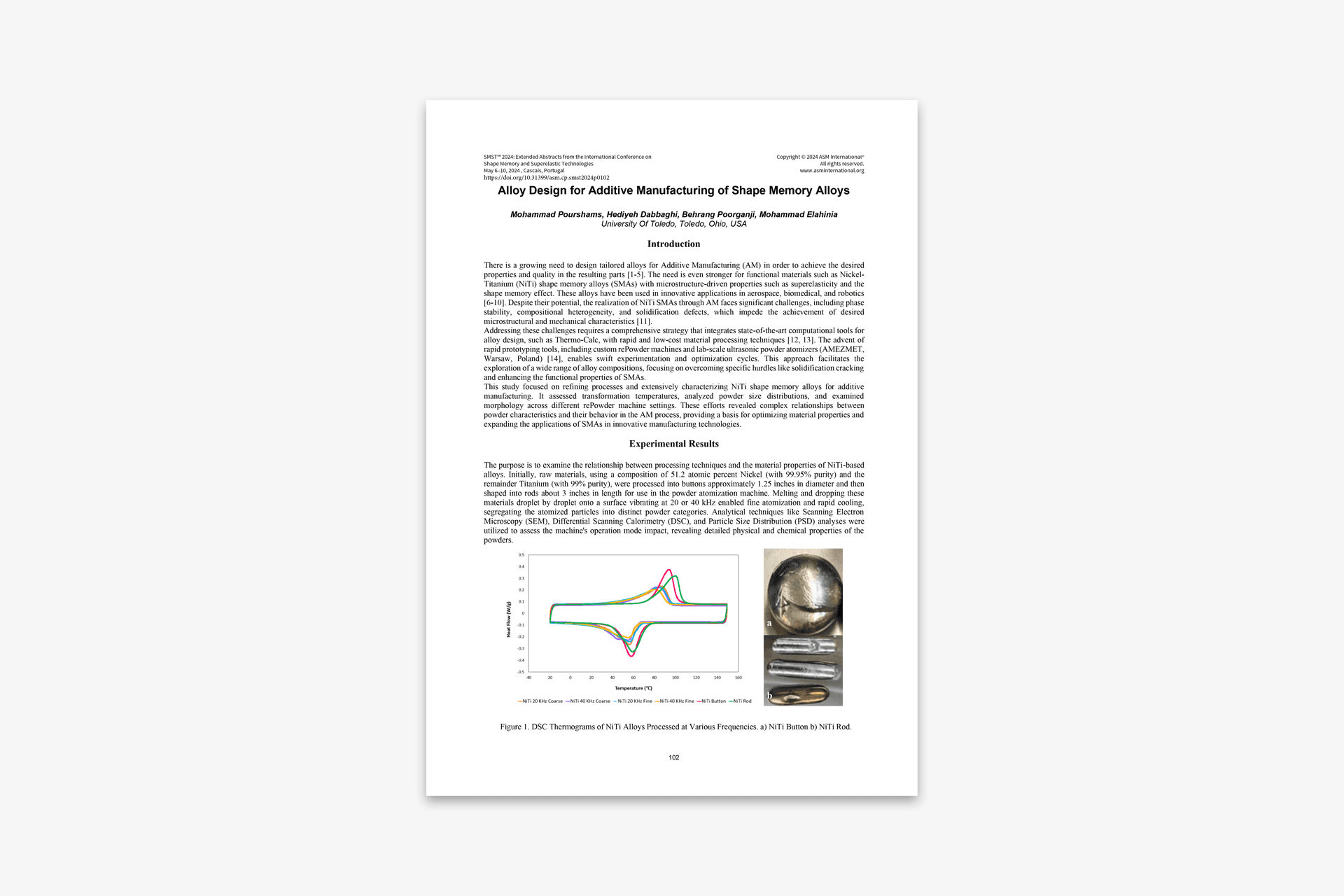
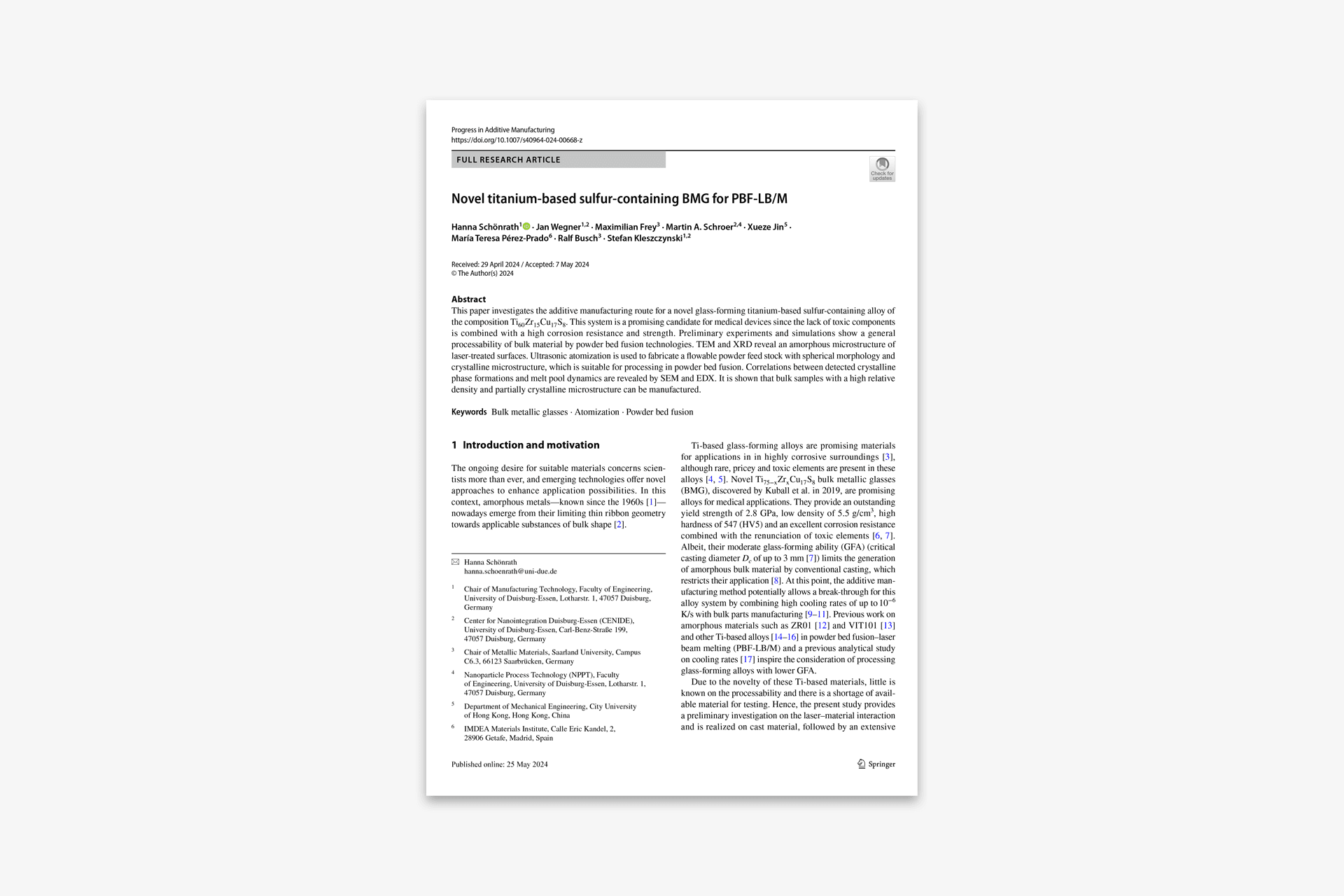
Authors: Hanna Schönrath, Jan Wegner, Maximilian Frey, Martin A. Schroer, Xueze Jin, María Teresa Pérez-Prado, Ralf Busch & Stefan Kleszczynski
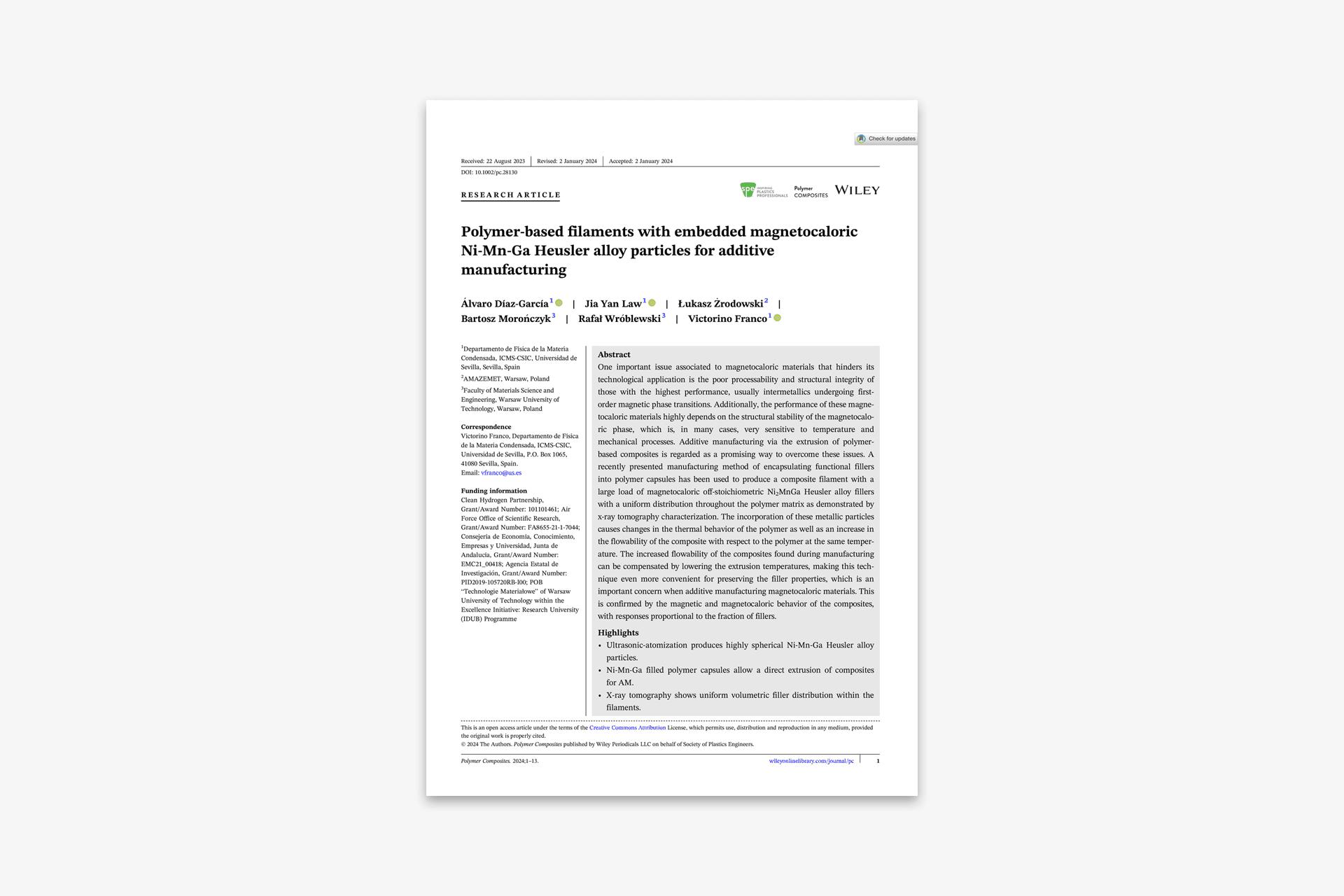
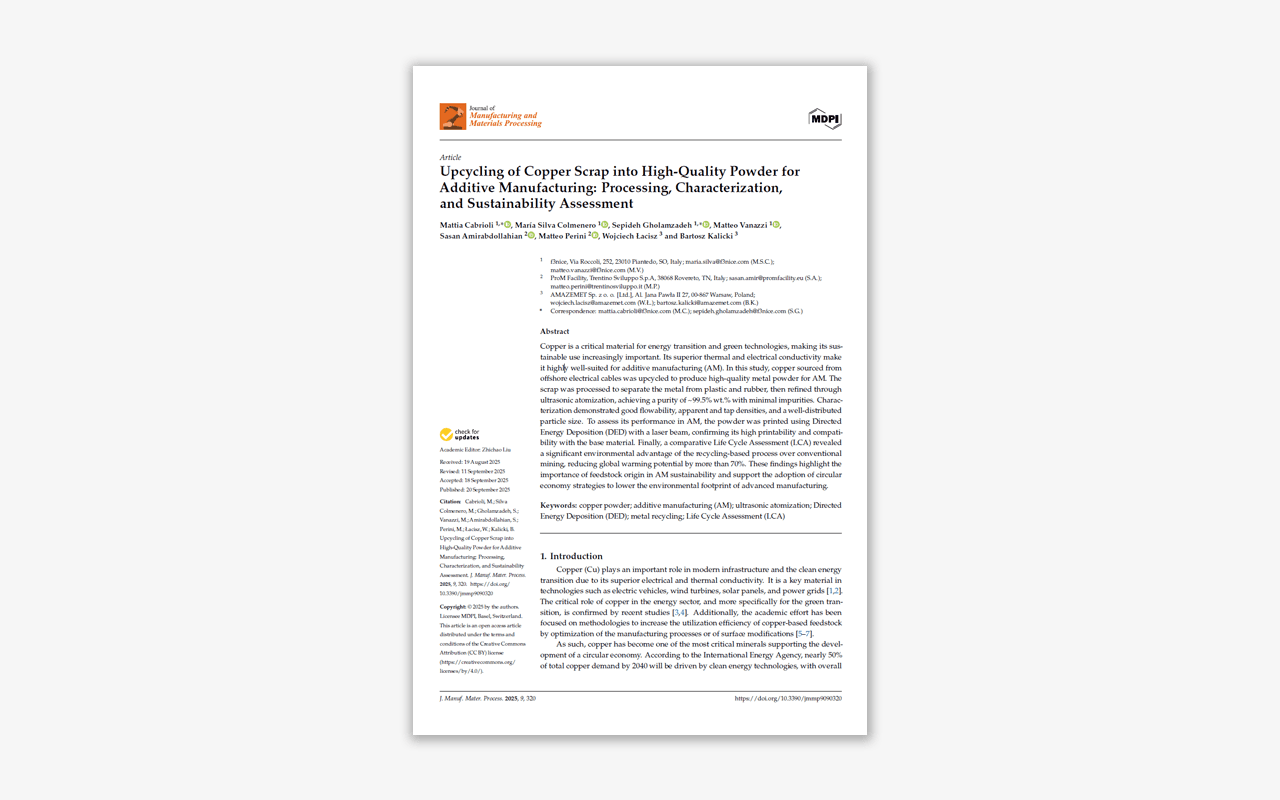
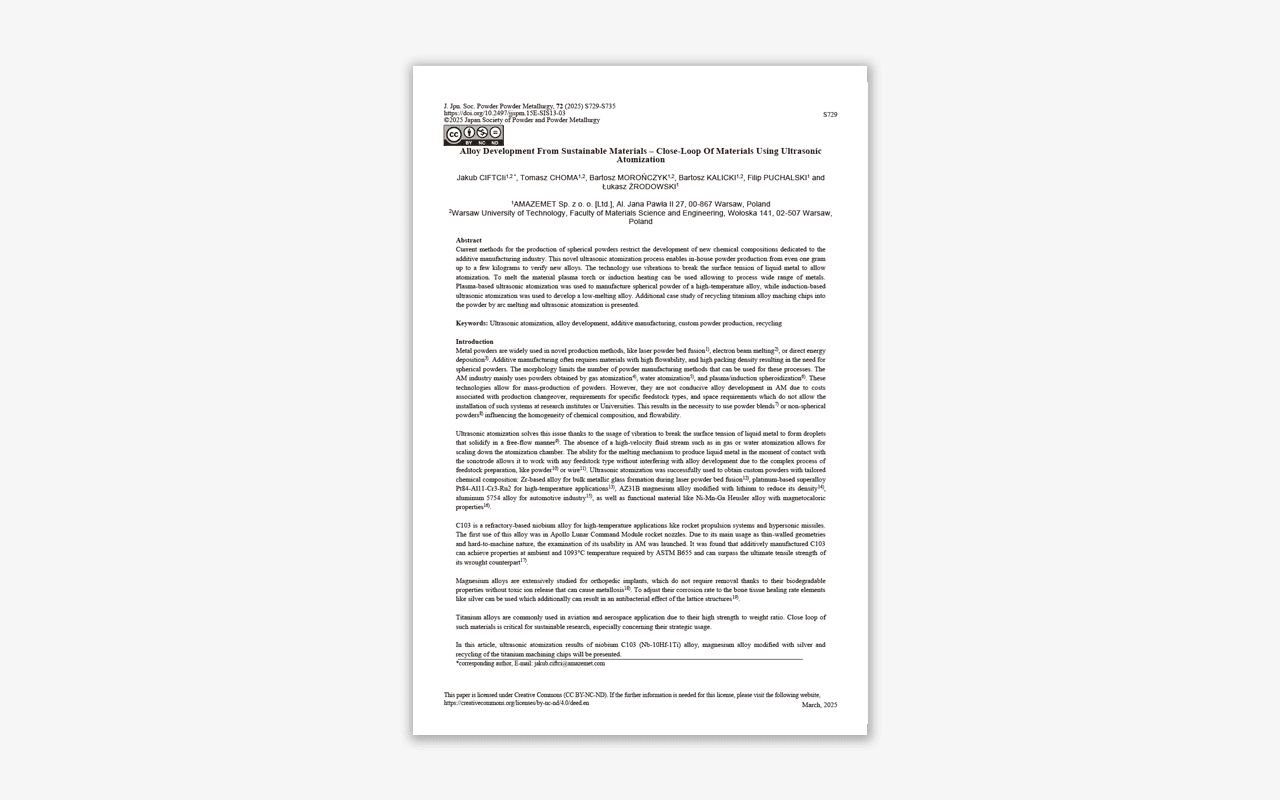
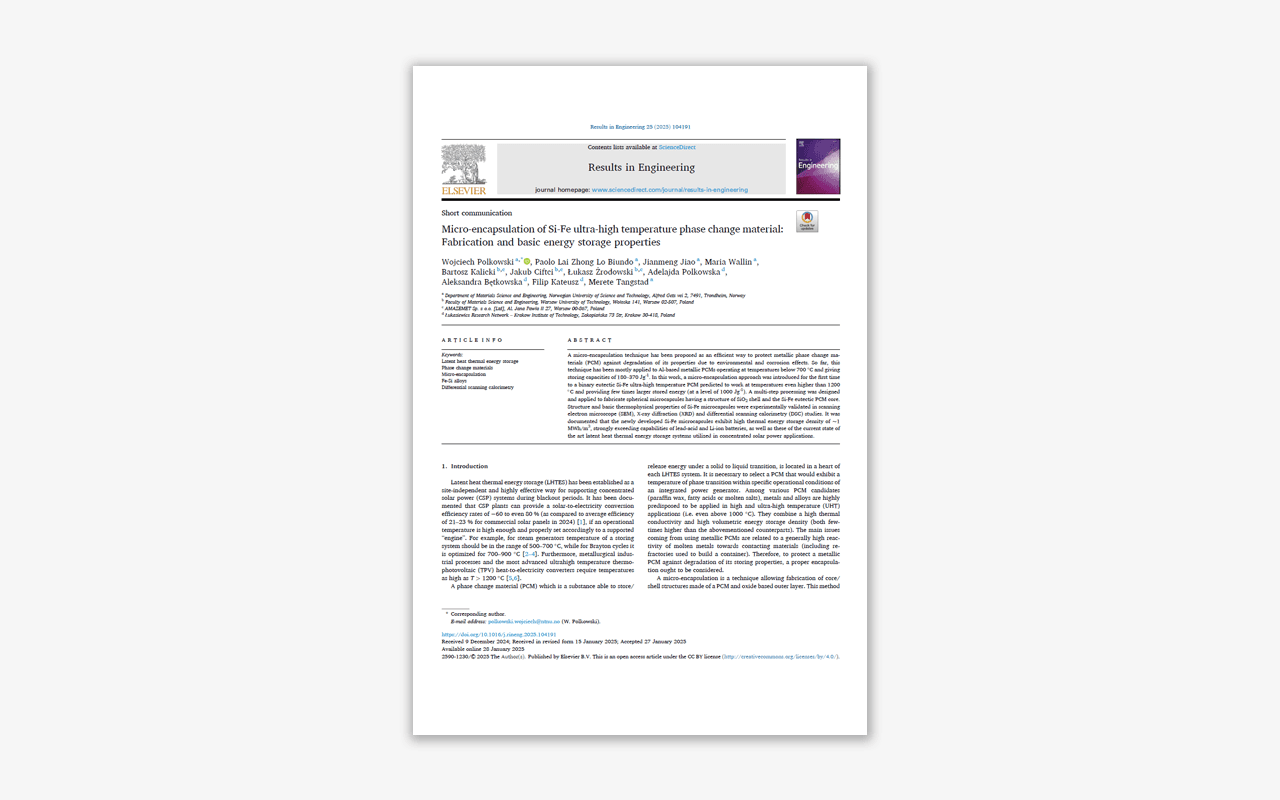
Authors: Álvaro Díaz-García, Jia Yan Law, Łukasz Żrodowski, Bartosz Morończyk, Rafał Wróblewski, Victorino Franco
OUR CUSTOMERS
Trusted by Innovators Worldwide
AMAZEMET is proud to collaborate with a diverse range of clients who trust our cutting-edge solutions to advance their projects. rePOWDER is currently being used to atomize novel powder compositions in:




ATOMIZATION SERVICES
TAILORED ATOMIZATION SERVICES USING REPOWDER AND POWDER2POWDER
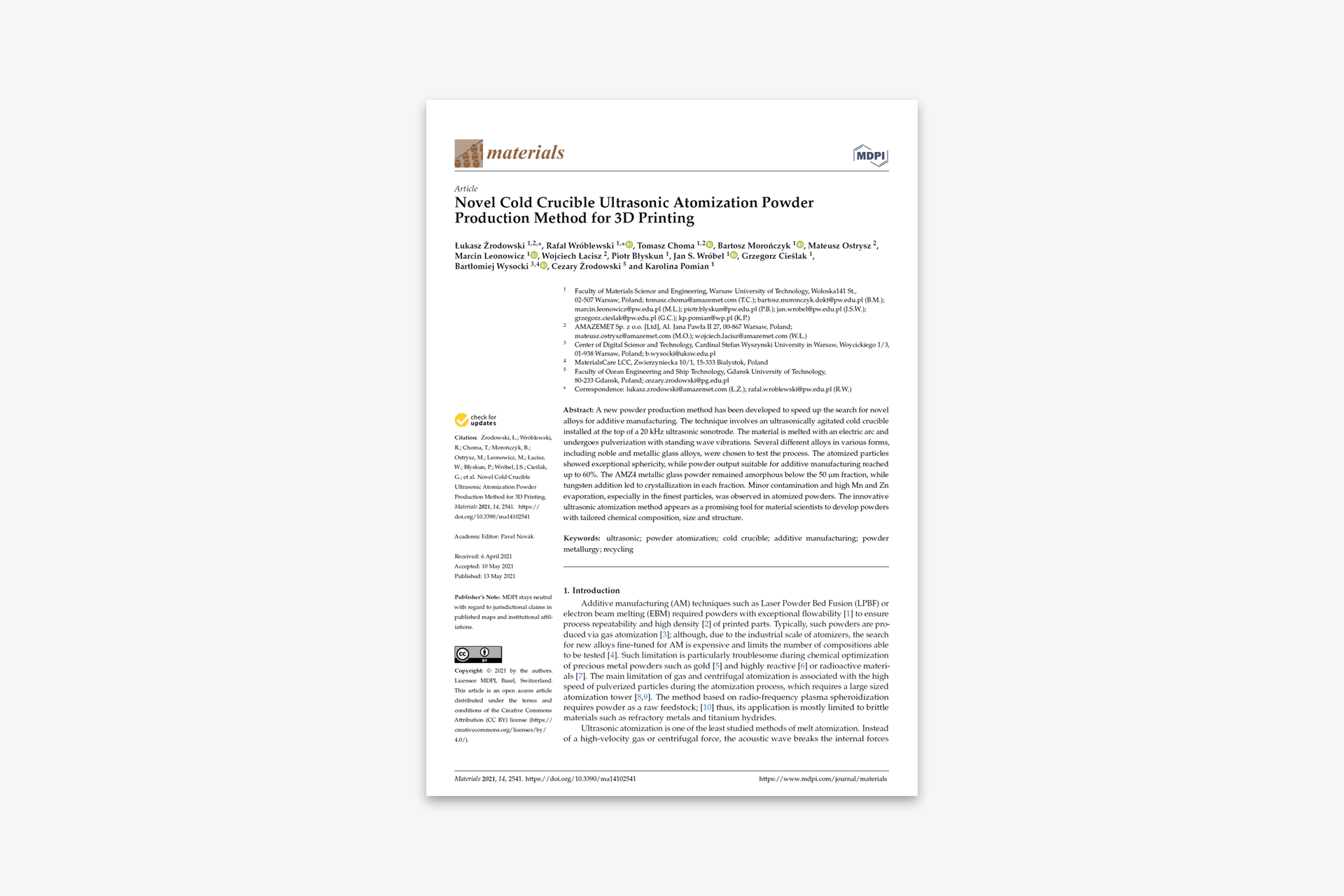
rePOWDER is an ultrasonic atomization technology that revitalizes leftover or oversized powder particles, transforming them into fresh feedstock suitable for Laser Cladding and other additive manufacturing processes. By leveraging the power of high-frequency vibration, it breaks up molten metal into finely sized droplets, which then solidify into uniform particles. This process promotes a circular workflow that reuses existing materials for extended use, lowering raw material costs and minimizing waste streams. The precise control over particle size distribution also enhances flowability and consistency, making rePOWDER an invaluable tool for research institutions seeking to optimize powder properties.
Leading Research institutes are already levering benefits of rePOWDER to accelerate their development of novel powder alloys:
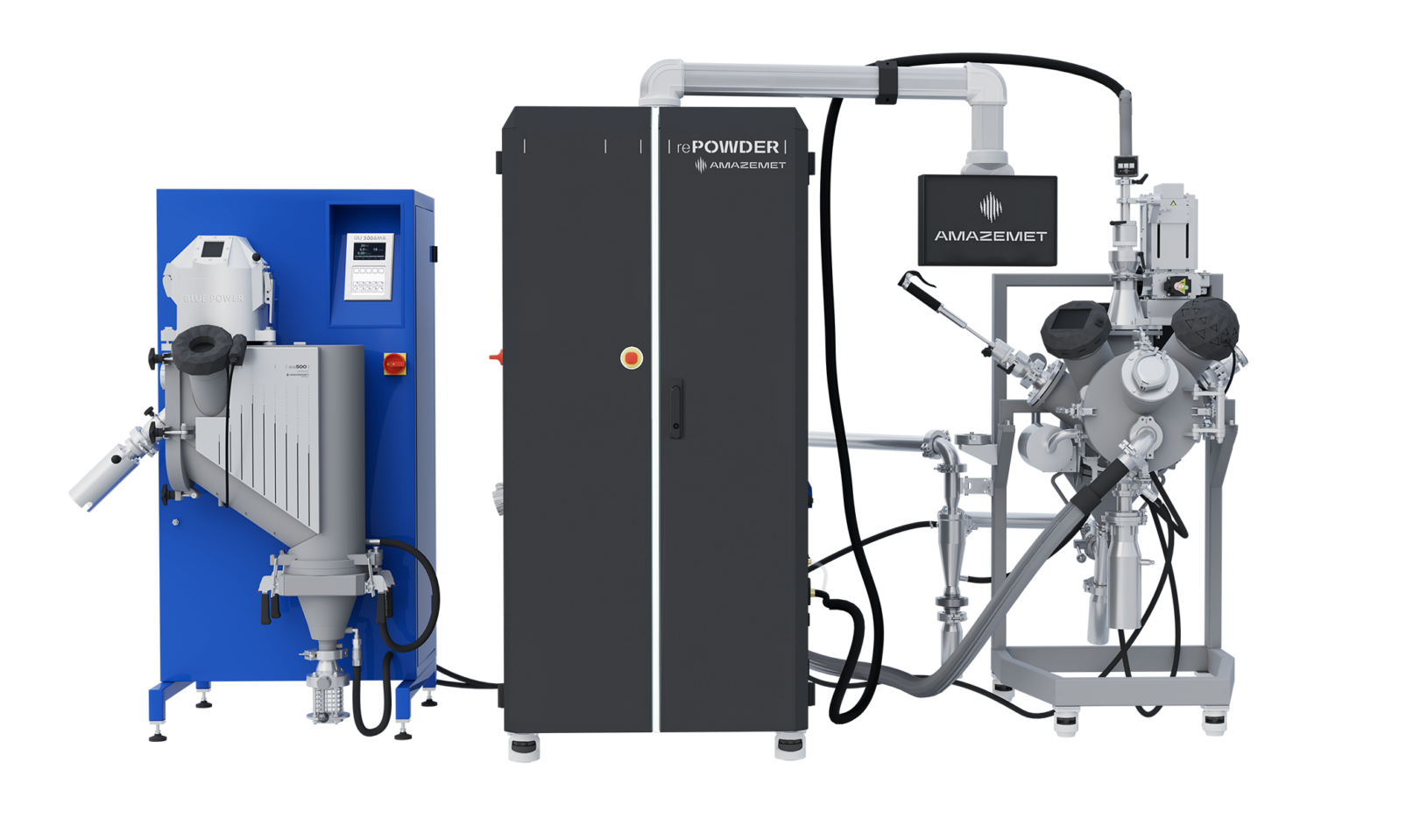
rePOWDER: Lab-Scale Atomization for New Alloys
rePOWDER is an ultrasonic atomization technology that revitalizes leftover or oversized powder particles, transforming them into fresh feedstock suitable for Laser Cladding and other additive manufacturing processes. By leveraging the power of high-frequency vibration, it breaks up molten metal into finely sized droplets, which then solidify into uniform particles. This process promotes a circular workflow that reuses existing materials for extended use, lowering raw material costs and minimizing waste streams. The precise control over particle size distribution also enhances flowability and consistency, making rePOWDER an invaluable tool for research institutions seeking to optimize powder properties.
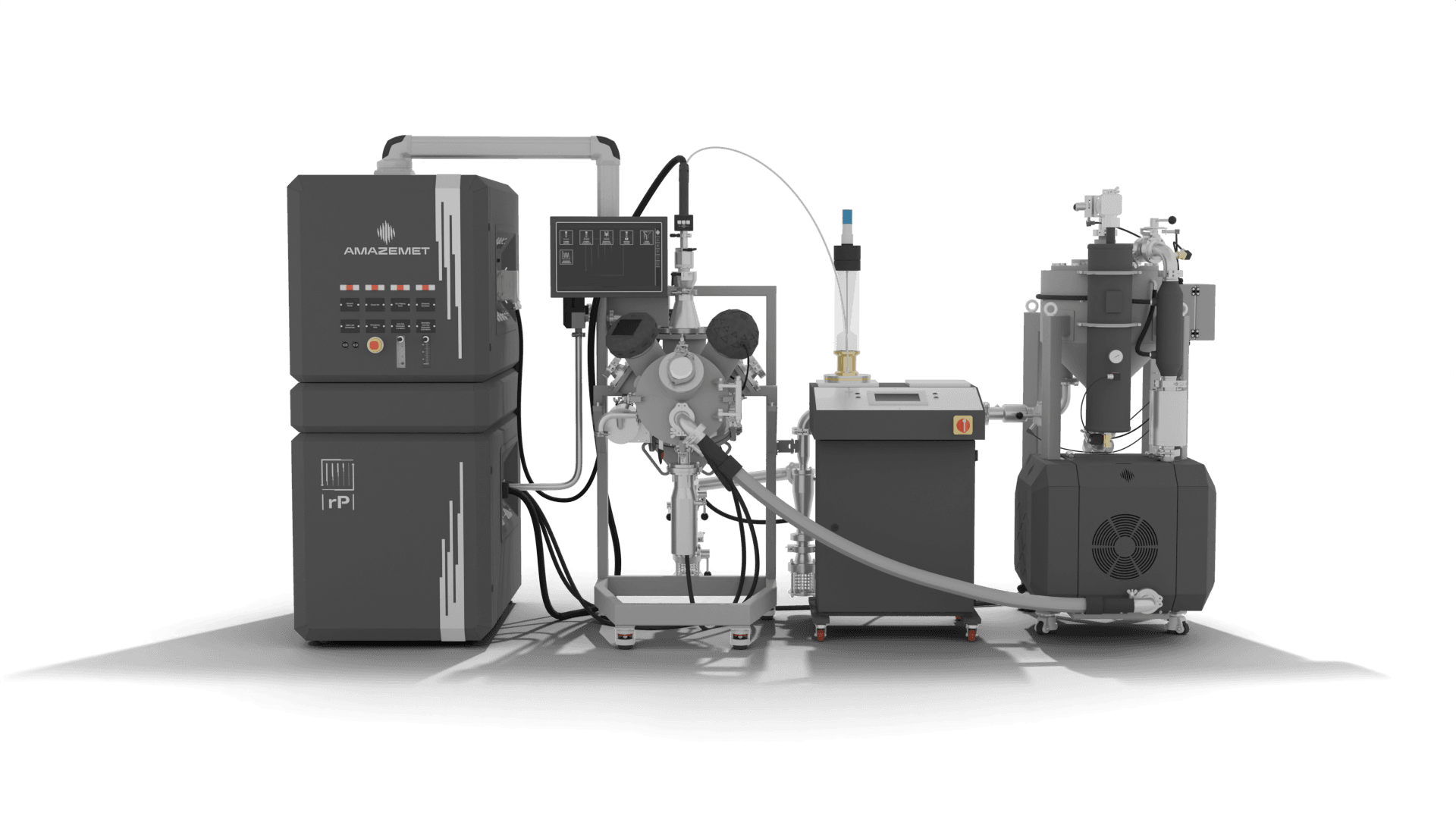
Powder2Powder (P2P): Ultrasonic Re-Atomization & Closed-Loop Recycling
Powder2Powder combines plasma processing with ultrasonic atomization to convert irregular or suboptimal metal powder into highly spherical, contamination-free particles. This refined powder consistency supports precise and repeatable Laser Cladding results, bolstering reliability and performance in demanding applications. By fully melting and re-atomizing the feedstock, P2P eliminates surface contaminants and irregularities, ensuring that the resulting powder meets stringent quality standards. Whether for high-performance aerospace components or specialized automotive parts, P2P offers a robust pathway to achieving superior coating properties and extended component lifespans.
Let’s Tackle Your Laser Cladding Challenges Together
We invite you to share your unique Laser Cladding challenges and objectives. Do you require custom powder alloys a reliable recycling strategy,? AMAZEMET works closely with you to identify specific needs and develop tailored solutions that align with your technical requirements and budgetary goals. Complete the form below to begin your journey toward more efficient, sustainable, and cost-effective Laser Cladding practices.
Complete the form below to begin your journey toward more efficient, sustainable, and cost-effective Laser Cladding practices.



