

INTRODUCTION
HIP POWDERS TECHNOLOGY
HIP POWDERS TECHNOLOGY
Hot Isostatic Pressing holds the key to producing defect-free, high-performance components, but unlocking its full potential requires more than just applying heat and pressure. It demands precise control over materials, deep process expertise, and innovative solutions to overcome technical and economic challenges.
HOT ISOSTATIC PRESSING
HIP TECHNOLOGY OVERVIEW
HIP TECHNOLOGY OVERVIEW
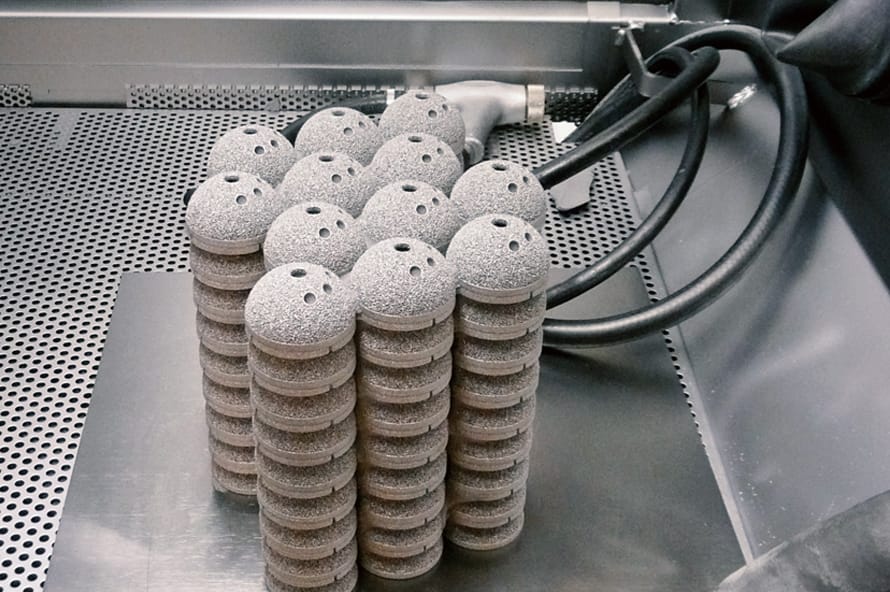
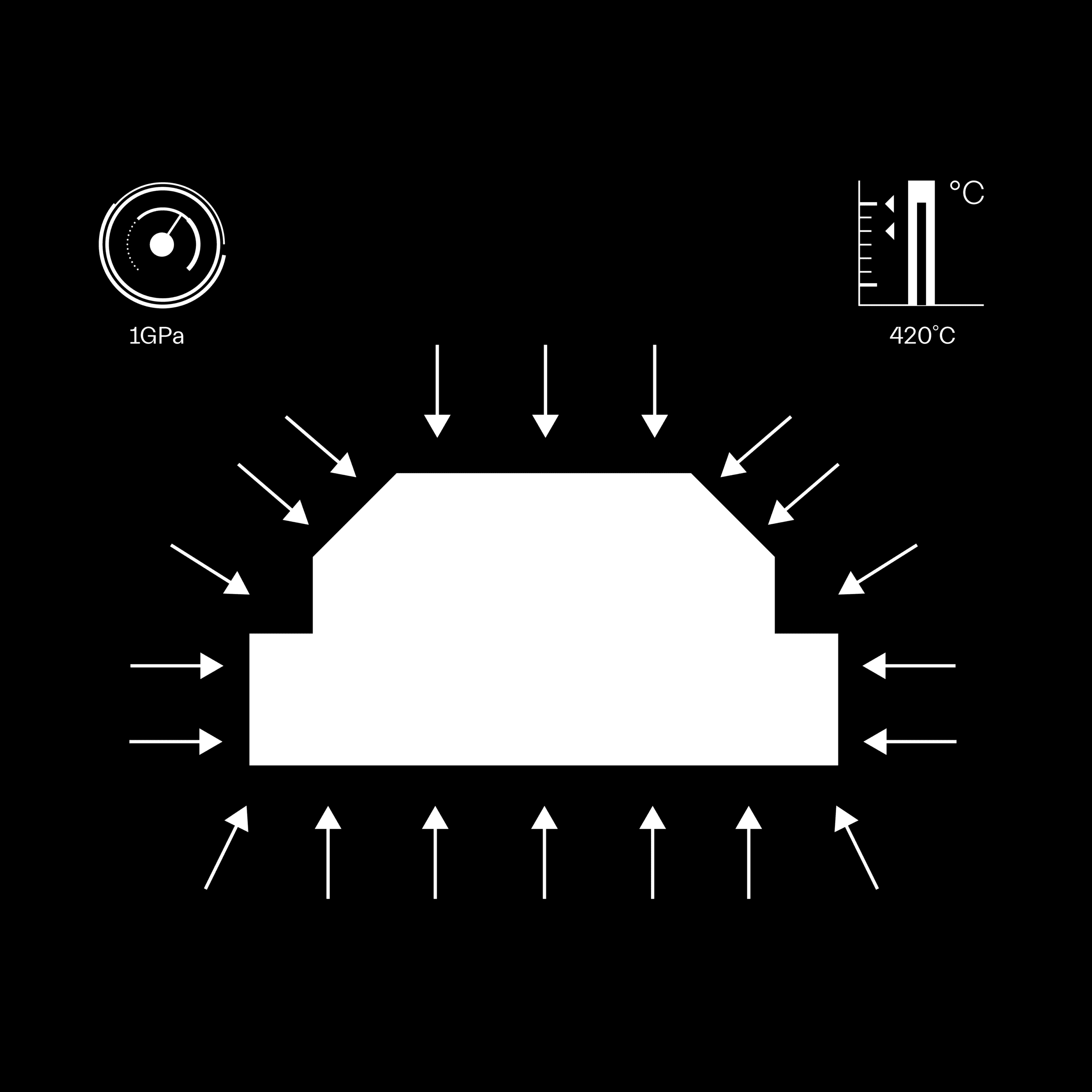
Hot Isostatic Pressing (HIP) is a specialized densification method that differs from other processes by uniformly applying isostatic pressure at elevated temperatures designed to eliminate residual porosity in metals, ceramics, and other advanced materials. By uniformly applying pressures up to 300 MPa at elevated temperatures—often exceeding 1,200 °C—HIP enables near-net-shape parts and consolidated components with superior mechanical properties and minimal internal defects. From aerospace engine components that endure extreme temperatures to biomedical implants requiring flawless structural integrity, HIP has become indispensable in ensuring reliability and performance under demanding service conditions. In many cases, it is the only method to achieve near-theoretical density, thereby enabling parts that can withstand fatigue and stress for longer operational lifespans.
Yet, despite its impressive capabilities, HIP faces many challenges—from feedstock quality to overall process economics. Engineering teams must balance the energy-intensive nature of high-pressure, high-temperature operations with the necessity of perfecting final part performance. How can researchers and manufacturers ensure they make the most of HIP technology while overcoming these obstacles? By understanding the typical pitfalls—such as feedstock inconsistencies, high operational costs, and the complexities of capsule design—stakeholders can proactively implement strategies to unlock HIP’s full potential.
HIP
Brazing Processes
Despite these strengths, HIP presents complexities. The uniform application of pressure means every region of a component experiences the same compressive forces—but if the starting powder is inconsistent, oxidized, or contaminated, final results can be unpredictable. Furthermore, designing HIP capsules or preforms involves careful planning of powder packing and material flow to ensure uniform density. Below are some of the most prevalent issues:
Feedstock Variability
Non-spherical particles, broad size distributions, or high oxide content lead to incomplete densification and suboptimal mechanical properties. Inconsistent powder flow can also cause issues in the preformed capsule, potentially creating voids or regions of differing density.
High Operational Costs
Running HIP cycles at up to 1,400 °C or higher under inert atmospheres consumes substantial energy. Coupled with the high costs of inert gases, the process can become uneconomical if contaminated or off-spec feedstock wastes entire production batches.
Complex Capsule Design
Creating near-net-shape capsules or preforms for powders is time-consuming and prone to errors if feedstock flowability is poor or the powder composition lacks uniformity. Small miscalculations can lead to internal voids, uneven wall thickness, or irregular thermal profiles
Limited Alloy Development
Traditional gas atomization or mechanical milling for novel alloys demands large capital investment and specialized infrastructure, restricting R&D agility. The time and cost required to produce even small batches of powder for new compositions can be a major barrier.
Alloys & Feedstock Requirements
Hot Isostatic Pressing (HIP) is compatible with a wide range of metallic and ceramic powders, enabling the production of components with near-theoretical density and outstanding mechanical properties. To achieve consistent, high-quality results, the feedstock powders must exhibit the following characteristics:
01
Spherical or Near-Spherical Morphology
Enhances packing density and flowability within the capsule, reducing the risk of uneven densification. This attribute is critical when the desired component has intricate or delicate features that rely on uniform powder packing.
02
Controlled Particle Size Distribution
Typically in the 15–100 µm range, though this can vary based on the material and component geometry. Too wide a distribution leads to irregular packing and can introduce pores; too narrow a distribution might impact flowability.
03
Minimal Impurities
Low oxygen and nitrogen content are crucial, especially for reactive alloys like titanium. Even trace amounts of contaminants can weaken final mechanical properties or create undesirable phases.
04
Homogeneous Chemical Composition
Ensures predictable material behavior and uniform microstructures after HIP. Any significant inhomogeneity in the feedstock can manifest as localized variations in hardness, ductility, or corrosion resistance.
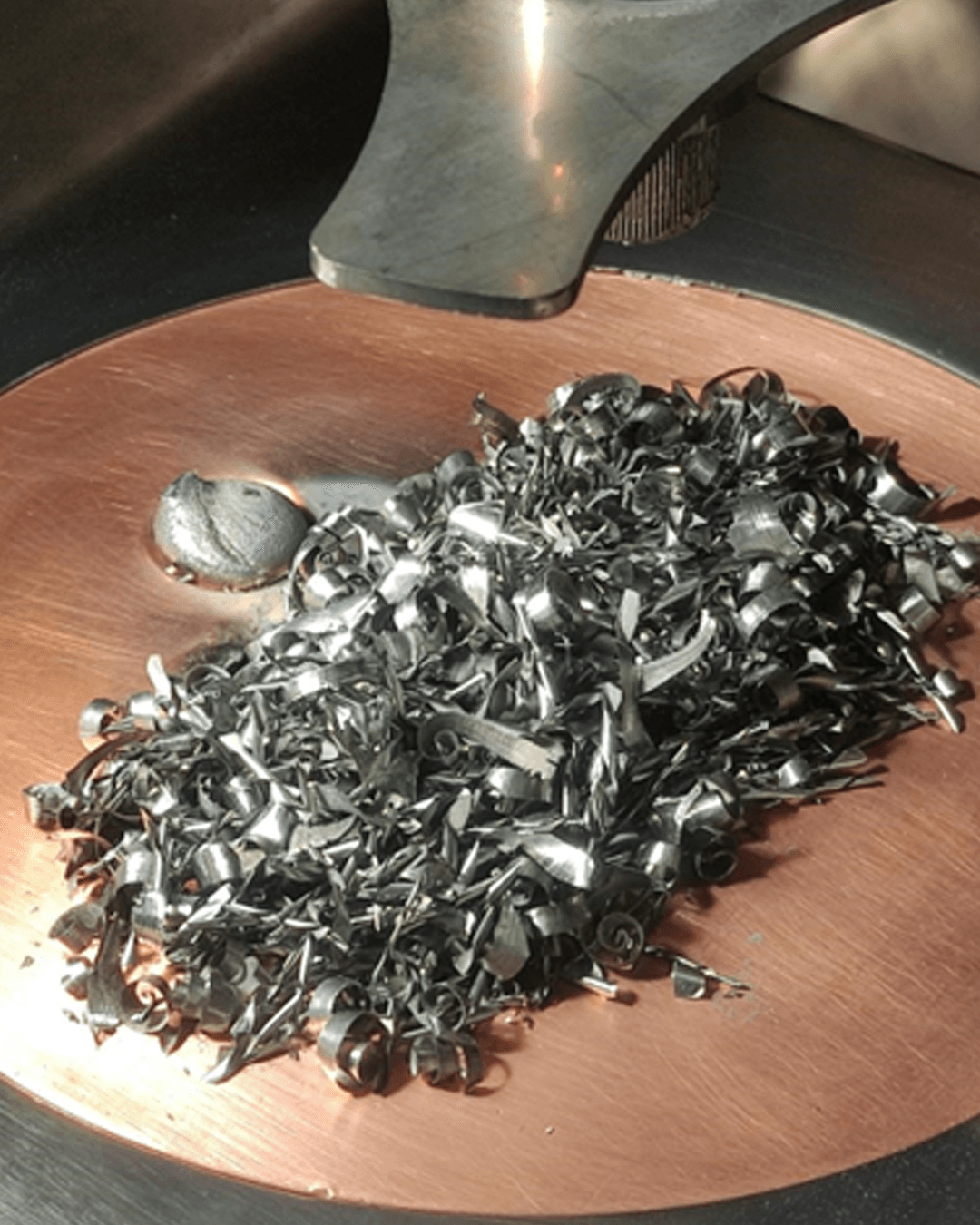
Common Alloys Consolidated via HIP
Soldering powders are widely used across different industrial applications, and various processes ensure precise and high-quality joints:
Titanium Alloys
Ti-6Al-4V is a prime example, offering excellent strength-to-weight ratios and corrosion resistance, making it popular in aerospace and biomedical sectors. The HIP process refines its microstructure, improving fatigue life and tensile strength.
Nickel-Based Superalloys
Inconel® 718, Inconel® 625, and other Ni-based alloys are used for high-temperature components in turbines and energy applications. HIP helps mitigate casting defects and ensures uniform grain structure.
Stainless Steels
Ranging from austenitic (316L) to martensitic and duplex grades; HIPed stainless steel parts exhibit improved fatigue life, corrosion performance, and overall structural reliability.
Cobalt-Chromium Alloys
Frequently applied to medical implants (e.g., Co-Cr-Mo) and severe-wear conditions, benefiting from HIP's ability to eliminate internal porosity, which is often the root cause of premature failure.
Tool Steels
High-speed and hot-work tool steels gain enhanced hardness and wear resistance when consolidated by HIP. This makes them exceptionally durable in metalworking applications subject to high thermal and mechanical loads.
Aluminum Alloys
Although less common for HIP due to relatively low melt temperatures, certain high-strength aluminum alloys benefit from porosity removal, significantly improving fatigue resistance in critical aerospace components.
Tungsten & Refractory Metals
HIP consolidation of tungsten-heavy alloys, Mo-based, or Ta-based materials is feasible, producing parts with excellent mechanical and thermal properties for extreme service environments like nuclear or high-temperature industrial processes.
NOVEL ALLOYS
SHIFTING FOCUS TO NOVEL ALLOYS
While many alloys were initially developed for casting or forging, new compositions are emerging that are optimized specifically for HIP consolidation. These tailored chemistries often incorporate minor compositional tweaks to reduce oxide formation, enhance flowability, and ensure robust mechanical properties post-HIP. Researchers continue to push boundaries by refining chemical compositions exploring higher-performance steels, superalloys, and intermetallics to fully exploit HIP’s capacity
Key Advantages of HIPed Components
Improved Fatigue Life
Removal of internal voids eliminates stress concentrators, boosting overall longevity and lowering the likelihood of catastrophic failures.
Enhanced Mechanical Properties
HIP effectively seals internal porosity, elevating yield strength, tensile strength, and ductility. This advantage is particularly critical in safety-critical components—such as turbine blades or load-bearing implants—used in aerospace and medical settings.
Material Versatility
A broad range of alloys—from lightweight aluminum to refractory metals—can be processed successfully, opening doors to custom solutions for complex part requirements.
Near-Net-Shape Efficiency
By combining HIP with capsule manufacturing, significant reductions in material waste and machining time are possible, leading to cost-effective production.
By selecting powders with the right physical and chemical characteristics, manufacturers unlock HIP’s full potential for producing dense, high-performance parts across aerospace, medical, industrial, and other demanding sectors. Researchers and engineers leveraging advanced feedstock can further streamline the HIP cycle parameters, reducing total operational costs and ensuring repeatable quality.
PATHWAYS TO SUCCESS WITH HIP
Fortunately, there are proven ways to address HIP’s inherent challenges. By focusing on feedstock quality, recycling strategies, alloy innovation, and precise process controls, manufacturers and researchers can elevate results and reduce costs:
- High-Purity, Spherical Powders: Ensuring reliable powder morphology and controlled size distribution drastically improves flowability and packing density, leading to optimal densification. Powder cleanliness directly impacts final part integrity; contaminants can cause metallurgical flaws or reduced mechanical properties.
- Closed-Loop Recycling: Reconditioning used or out-of-spec powders reduces costs and environmental impact, minimizing waste. This also enhances sustainability metrics, an increasingly vital consideration for global industries.
- Innovative Alloy Development: Lab-scale atomization enables quick iteration on new compositions, critical for pushing the boundaries of HIP applications in aerospace, medical, or energy sectors. Custom powder blends can be refined to achieve target mechanical or thermal properties.
- Advanced Process Controls: Modern HIP furnaces with real-time monitoring help regulate temperature ramp-up, cooling profiles, and precise pressure cycles, minimizing microstructural defects. Automated data collection facilitates process optimization and ensures repeatable outcomes.
Together, these pathways reduce costs, accelerate research, and enable full exploration of HIP’s capabilities—ensuring the final parts reach the highest performance standards. Consequently, industries can more readily adopt HIP as a cornerstone process for high-end applications, confident in the repeatability and reliability of results.
AMAZEMET: PARTNER FOR ADVANCED HIP
AMAZEMET, a leader in materials science and advanced powder technologies, offers game-changing solutions that streamline HIP workflows and boost innovation:
- Decades of R&D Expertise: Our core team consists of PhD researchers and seasoned engineers, published in peer-reviewed journals, actively driving advancements in powder metallurgy. The unique combination of academic knowledge and industry experience positions AMAZEMET to solve the toughest challenges in HIP.
- Global Partnerships: AMAZEMET works with premier universities, aerospace OEMs, and top-tier manufacturers worldwide, supporting them with tailored powder solutions and R&D collaborations. These alliances extend beyond product supply, often including joint development projects, specialized trainings, and technology transfers.
- Proven Track Record: Our technologies—including rePOWDER for ultrasonic atomization and Powder2Powder (P2P) for powder recycling—have already transformed labs, pilot plants, and production floors. Clients report significant material cost savings, streamlined development cycles, and reduced waste.
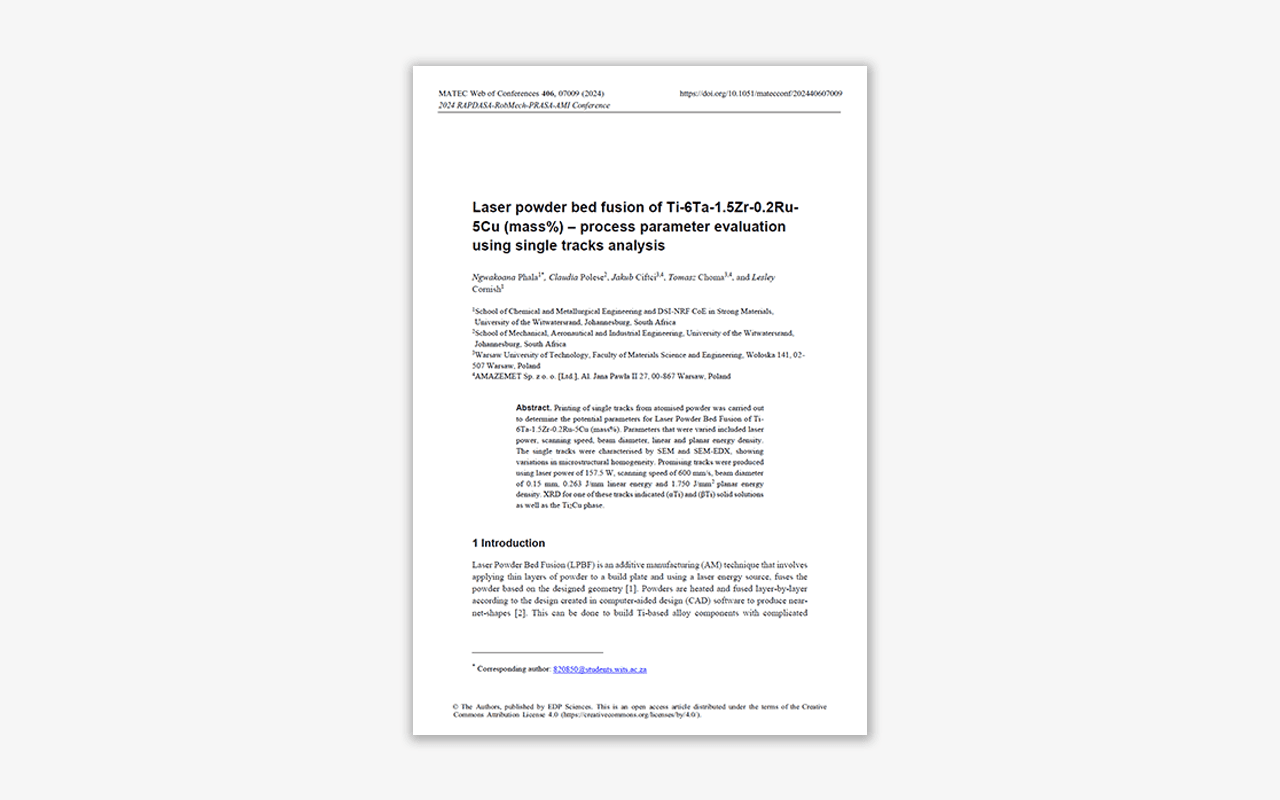
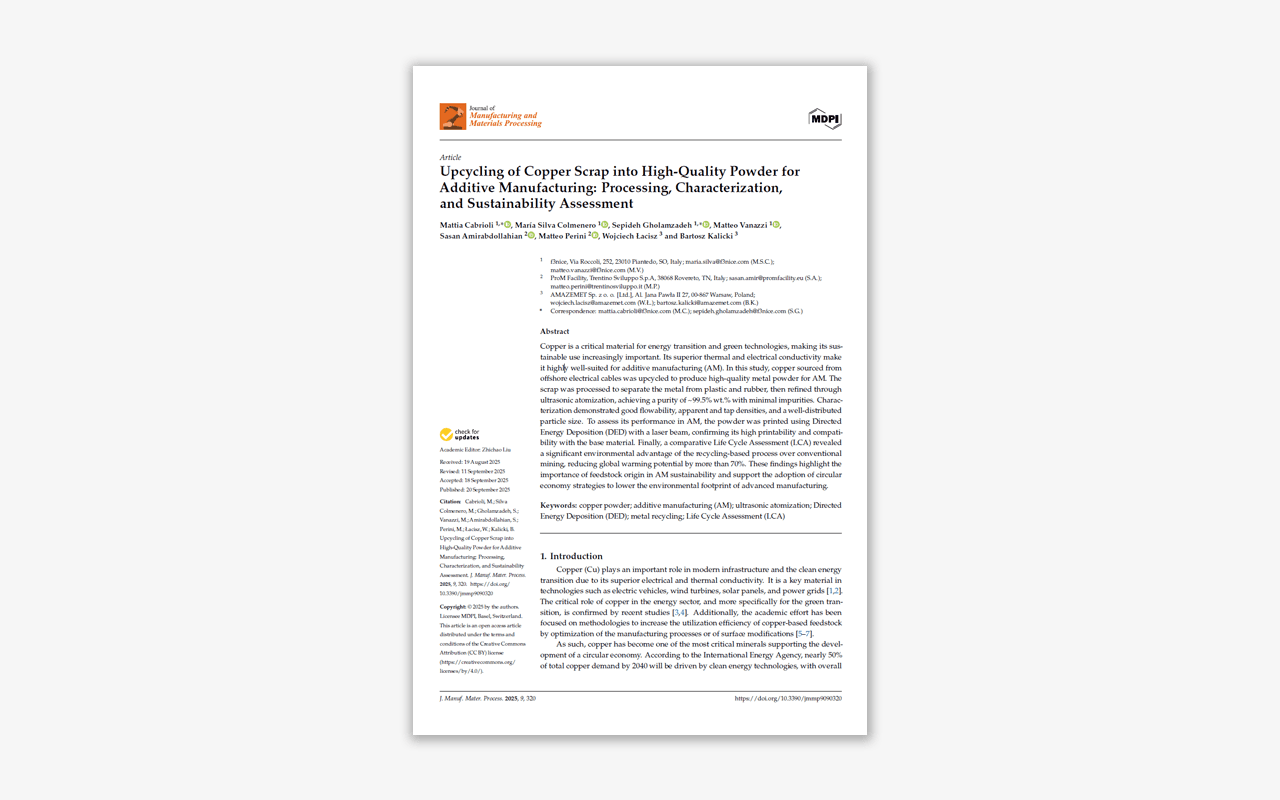
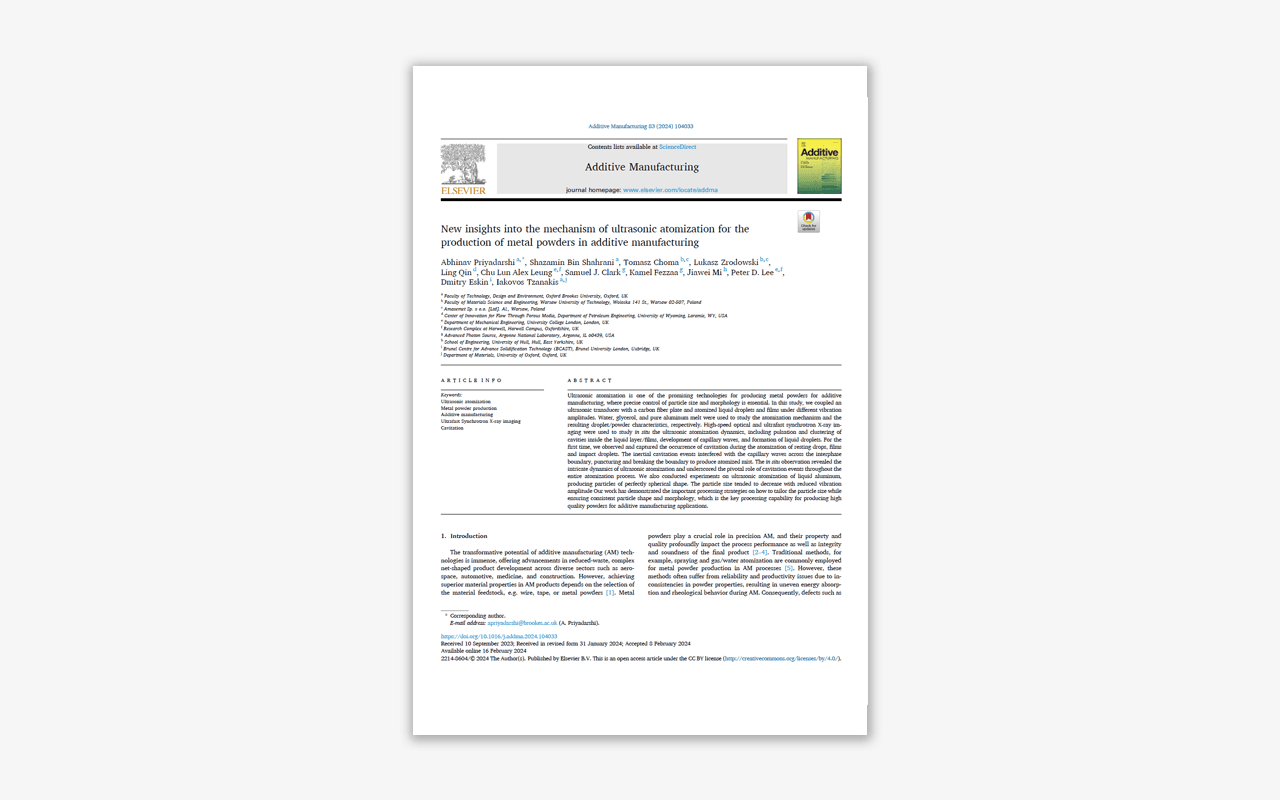

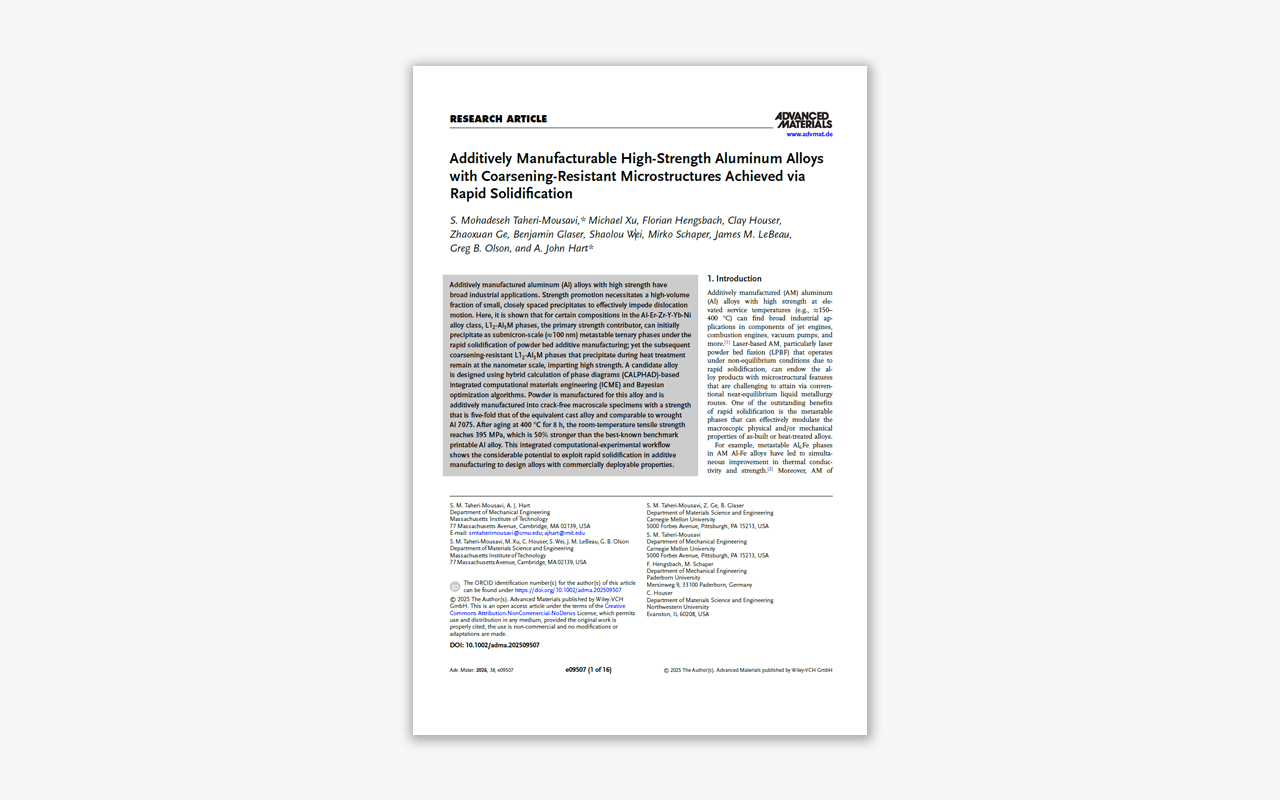
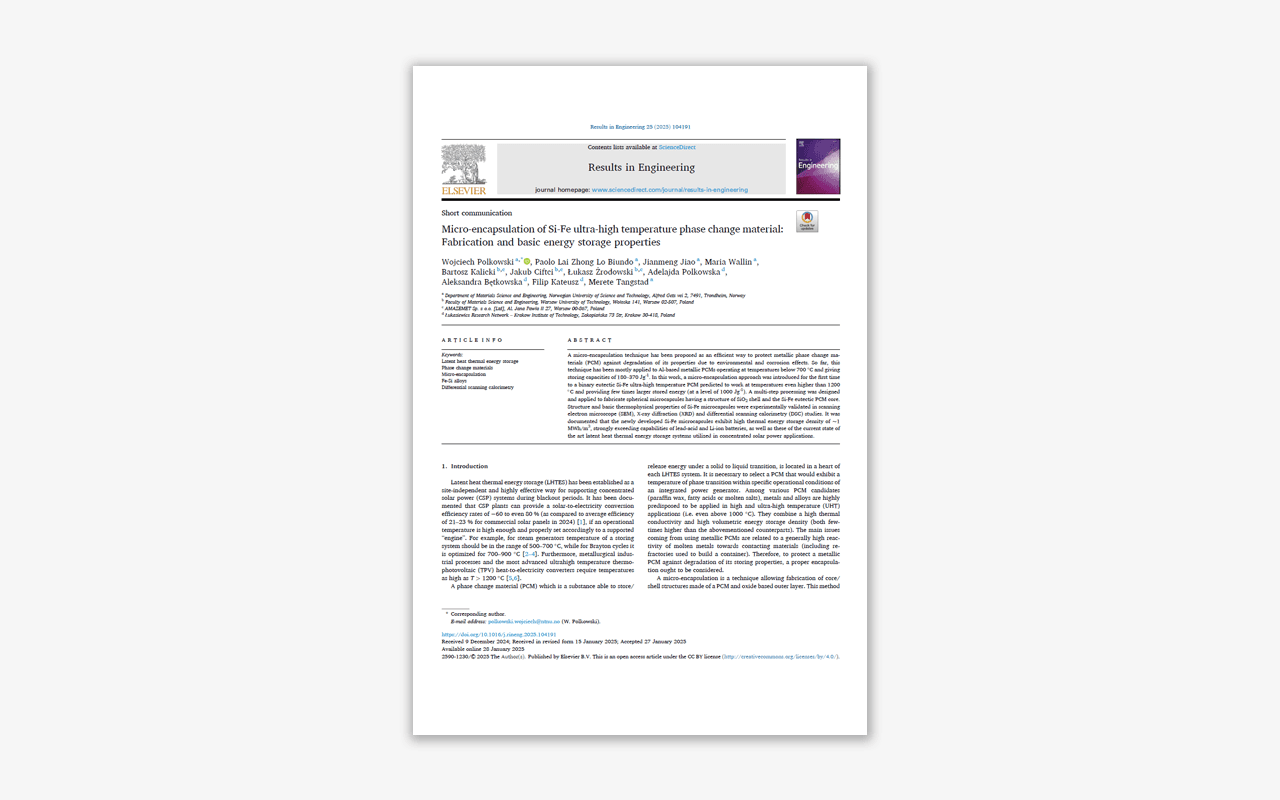
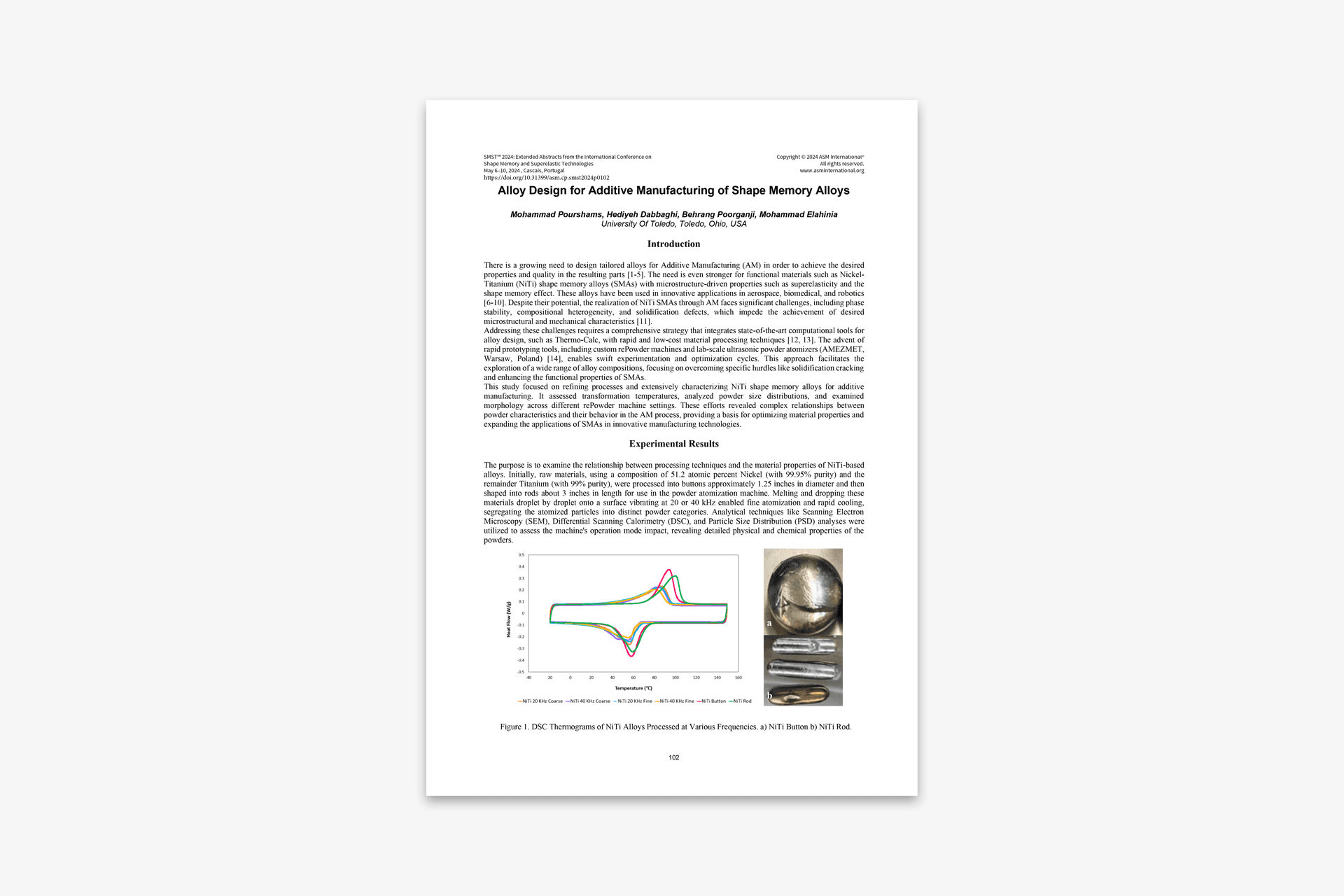
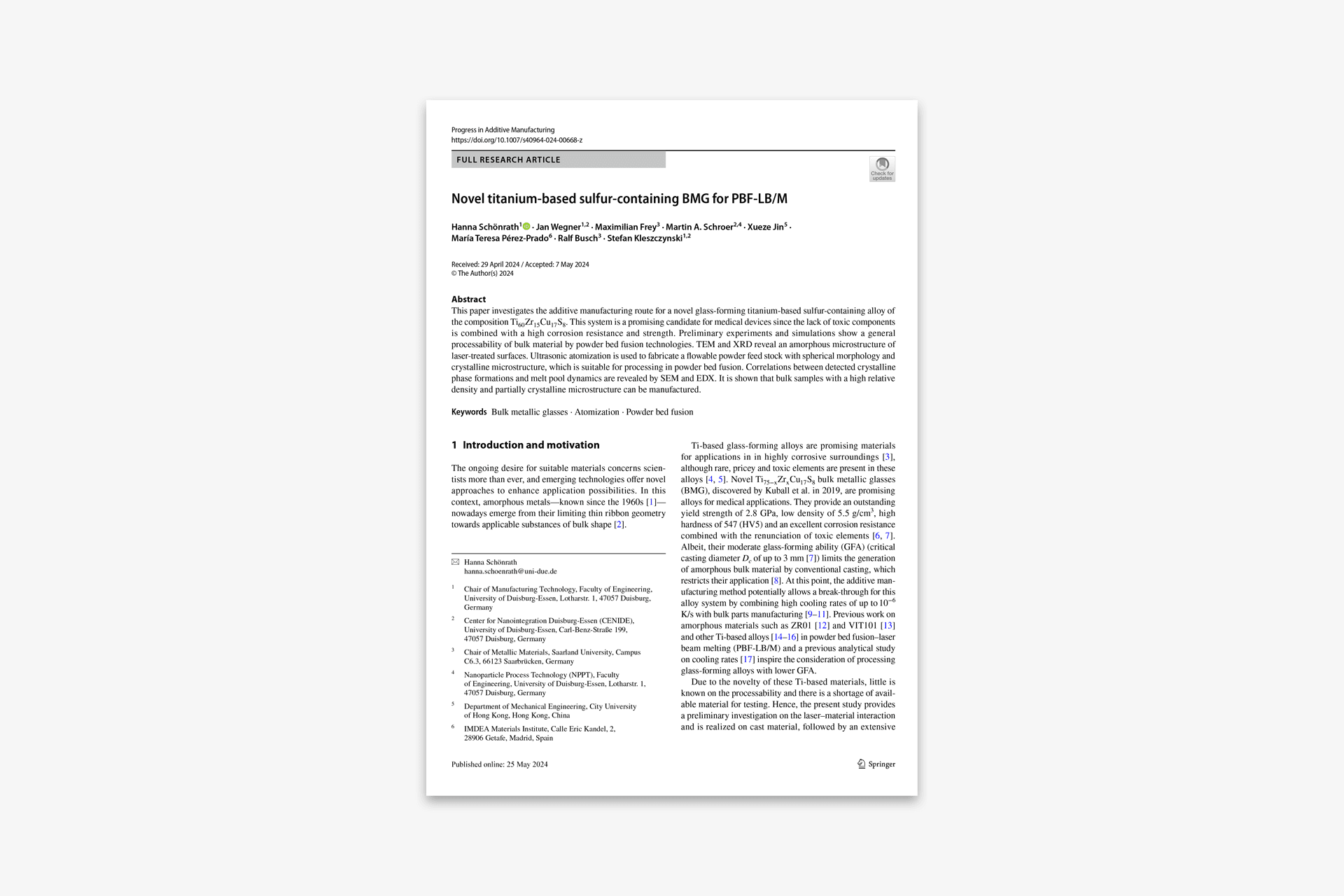
Authors: Hanna Schönrath, Jan Wegner, Maximilian Frey, Martin A. Schroer, Xueze Jin, María Teresa Pérez-Prado, Ralf Busch & Stefan Kleszczynski
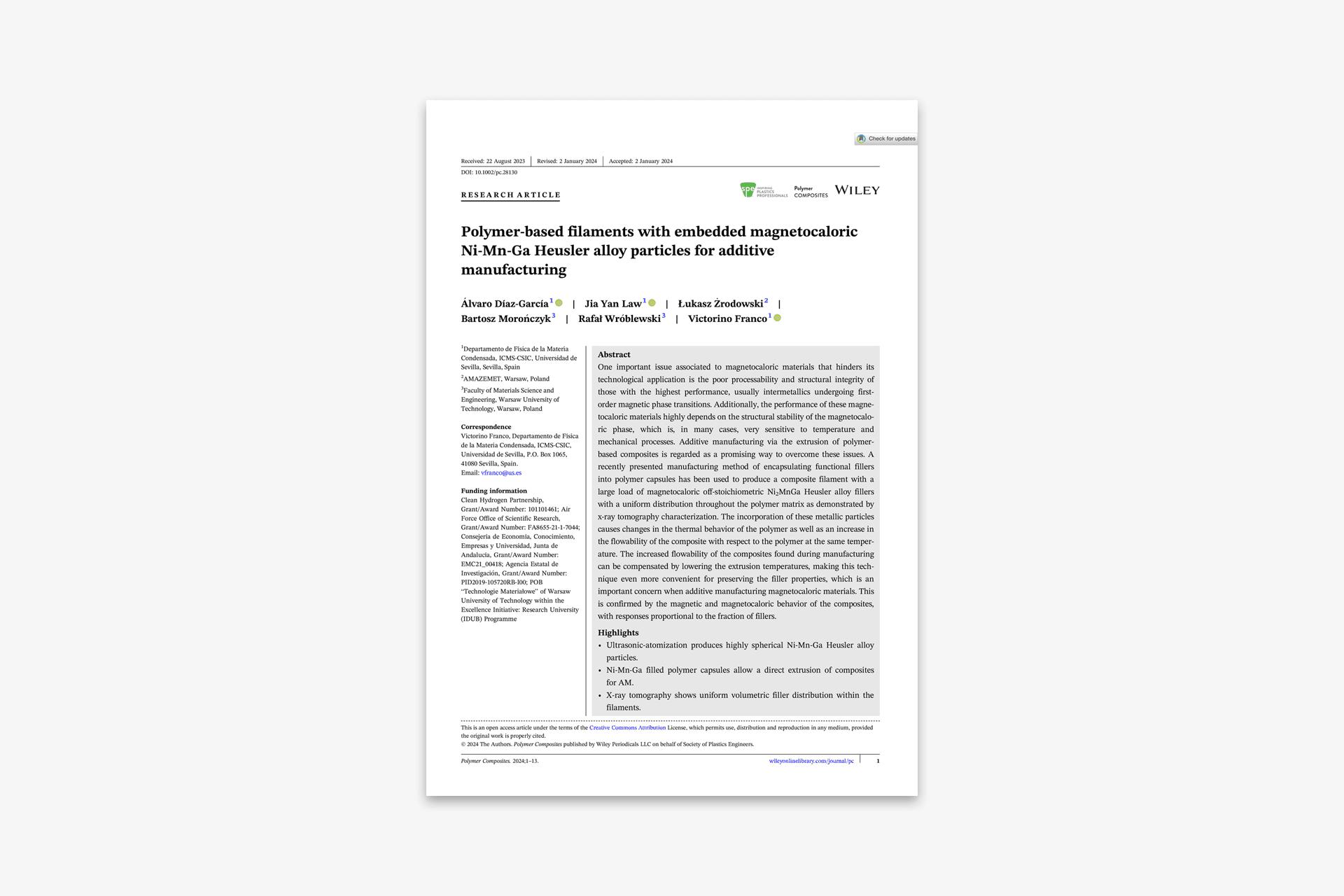
Authors: Álvaro Díaz-García, Jia Yan Law, Łukasz Żrodowski, Bartosz Morończyk, Rafał Wróblewski, Victorino Franco
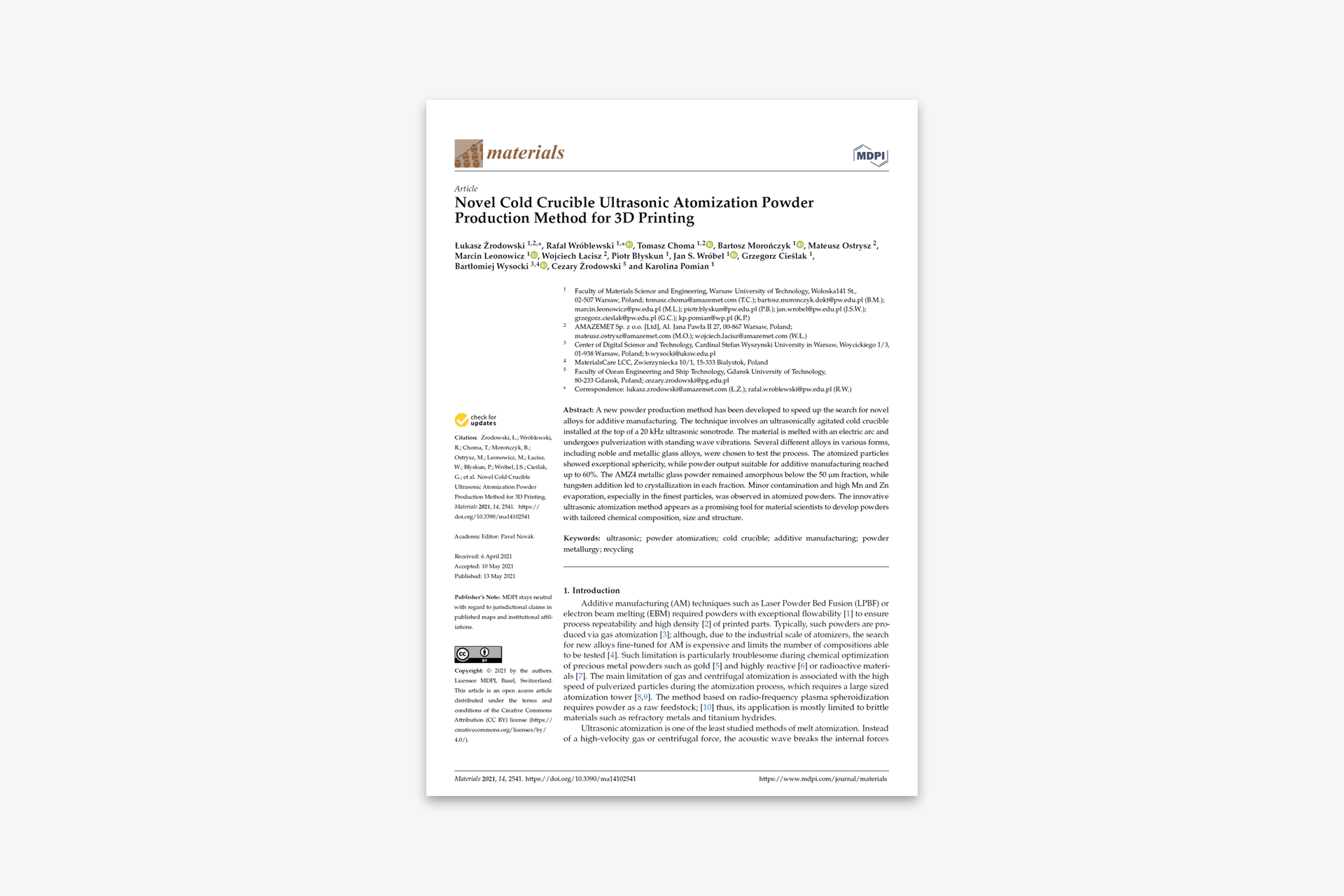
OUR CUSTOMERS
Trusted by Innovators Worldwide
AMAZEMET is proud to collaborate with a diverse range of clients who trust our cutting-edge solutions to advance their projects. rePOWDER is currently being used to atomize novel powder compositions in:












SERVICES
AMAZEMET'S ENABLING SOLUTIONS FOR HIP
By ensuring consistent powder characteristics—spherical morphology, tight size distribution, minimal oxides—AMAZEMET's solutions give HIP users a stable, repeatable pathway to fully dense, high-performance parts. These innovations address not only the immediate need for high-quality feedstock but also the long-term imperative of economic and ecological sustainability.
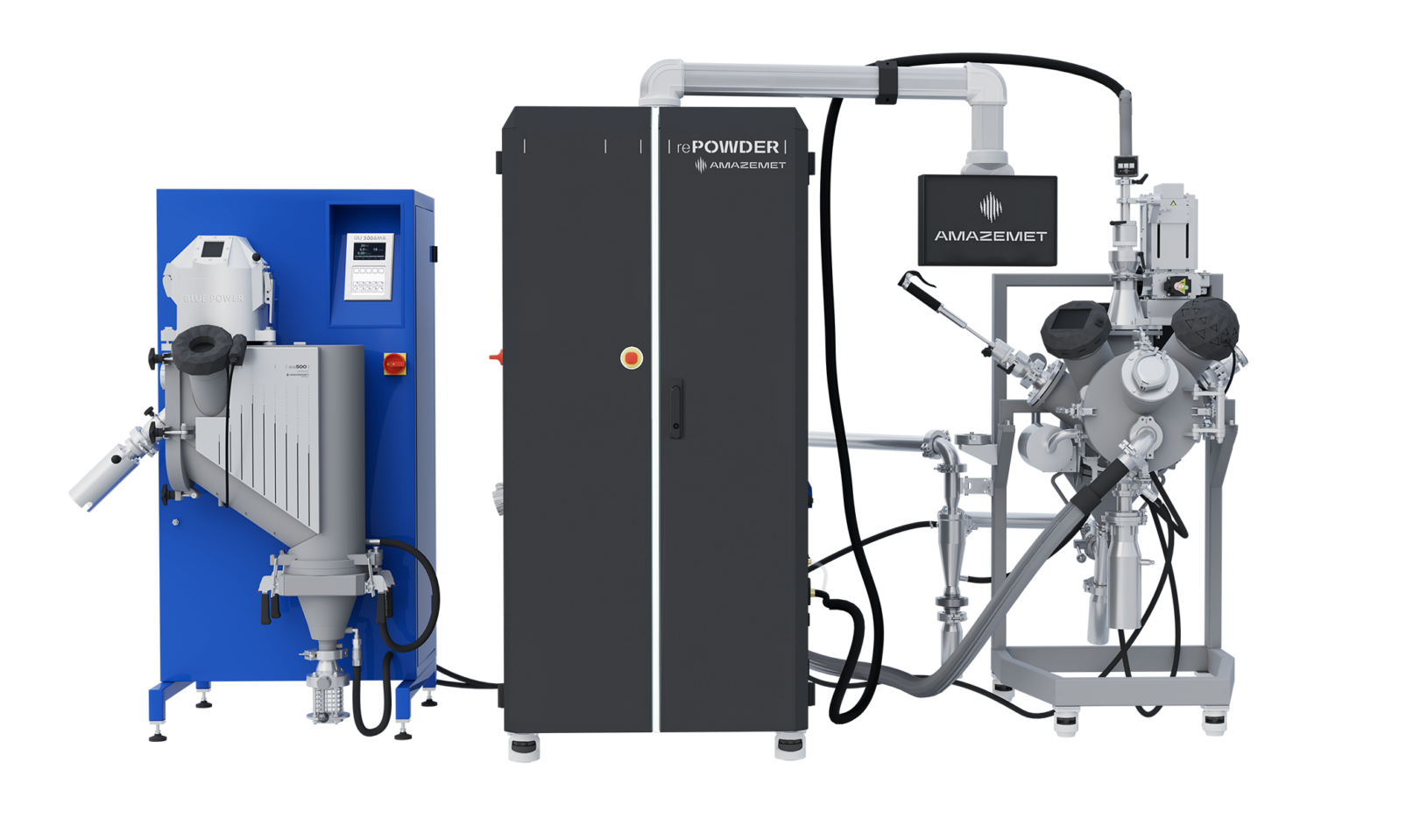
rePOWDER – Lab-Scale Ultrasonic Atomization
- High-Quality Powders: Achieve up to 85% yield in the target size range (e.g., 15–100 µm), minimizing waste. These powders exhibit smooth surfaces and spherical shapes, reducing friction and enhancing capsule packing.
- Minimal Oxygen Pickup: Preserve powder purity essential for HIP, especially critical for Ti-, Ni-, and Co-based alloys. By operating in controlled environments, rePOWDER significantly limits contamination that can degrade final part performance.
- Rapid Alloy Development: Melt as little as 10 g of material to test novel compositions without the huge overhead of gas atomization. This flexibility promotes accelerated R&D cycles, allowing teams to pinpoint optimal formulas faster.
- Scalable Insights: Even though rePOWDER is lab-scale, insights gained carry over to larger atomization setups, providing a solid foundation for scaled HIP production.
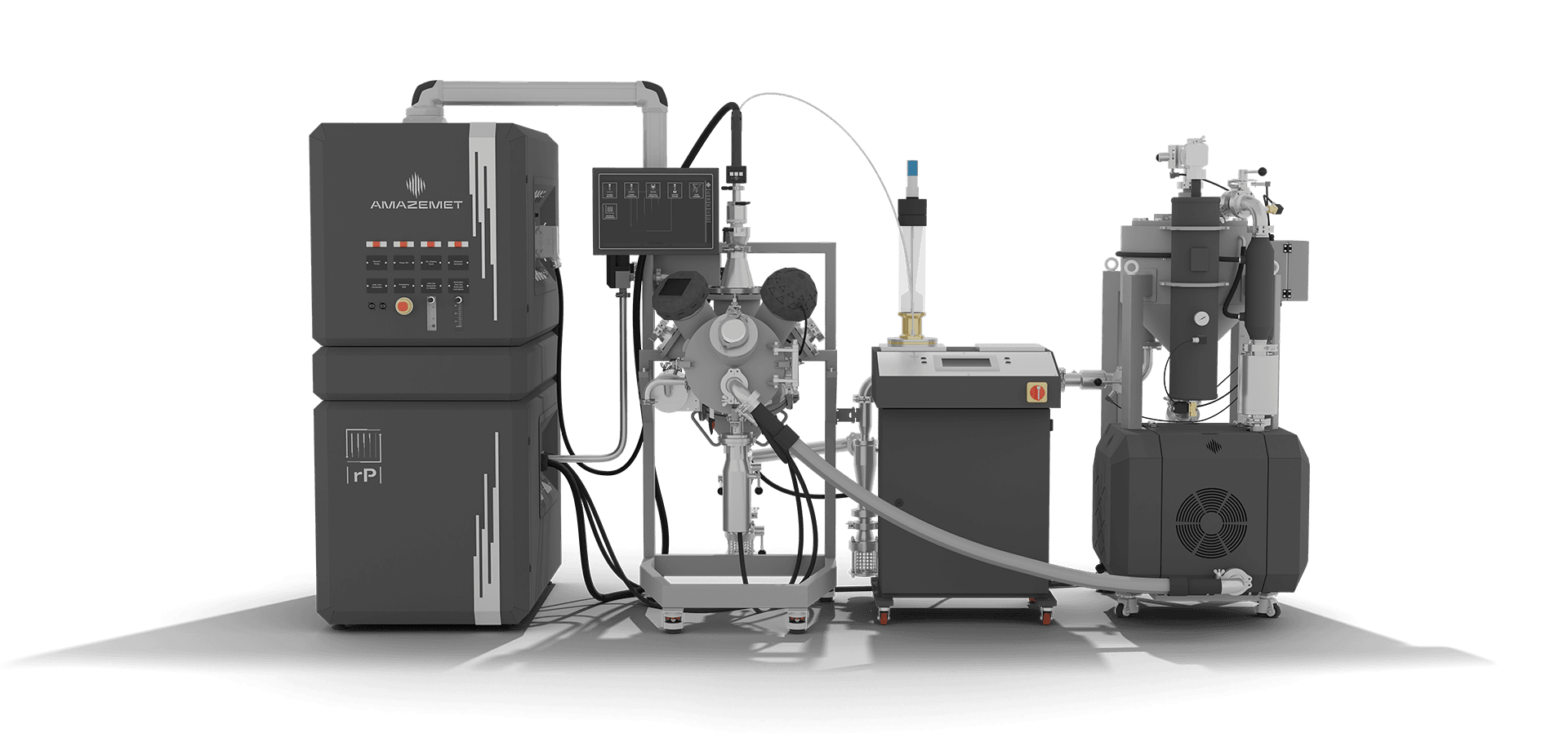
Powder2Powder (P2P) – Ultrasonic Re-Atomization & Closed-Loop Production
- Recondition Oversized or Irregular Powders: Convert out-of-spec powders into spherical, homogeneous particles for HIP. This eliminates the traditional need for discarding or downgrading valuable feedstock.
- Closed-Loop Recycling: Buy powder once and reuse it until it's fully consumed, driving down material costs and environmental impact. The P2P approach also ensures consistent powder quality over multiple cycles, enhancing process reliability.
- Custom Alloy Formulations: Blend powders or elements to form pre-alloyed feedstock, precisely tailored for research or specialized components. This opens up new avenues for designing next-generation materials—such as high-entropy alloys or specialized titanium variants—for HIP consolidation.
- Streamlined Logistics: By reducing the frequency of new powder purchases, manufacturers can simplify supply chains and maintain tighter control over raw materials, mitigating the risk of disruptions.
Are you ready to revolutionize your HIP processes?
And achieve superior material properties in your next project?
- Lower your feedstock costs
- Enhance densification outcomes
- Speed up new alloy development
Explore how AMAZEMET’s technologies can integrate into your workflow. Whether you are looking to refine existing materials or pioneer entirely new alloys, AMAZEMET delivers the expertise and tools to elevate your HIP operations to the next level.
01
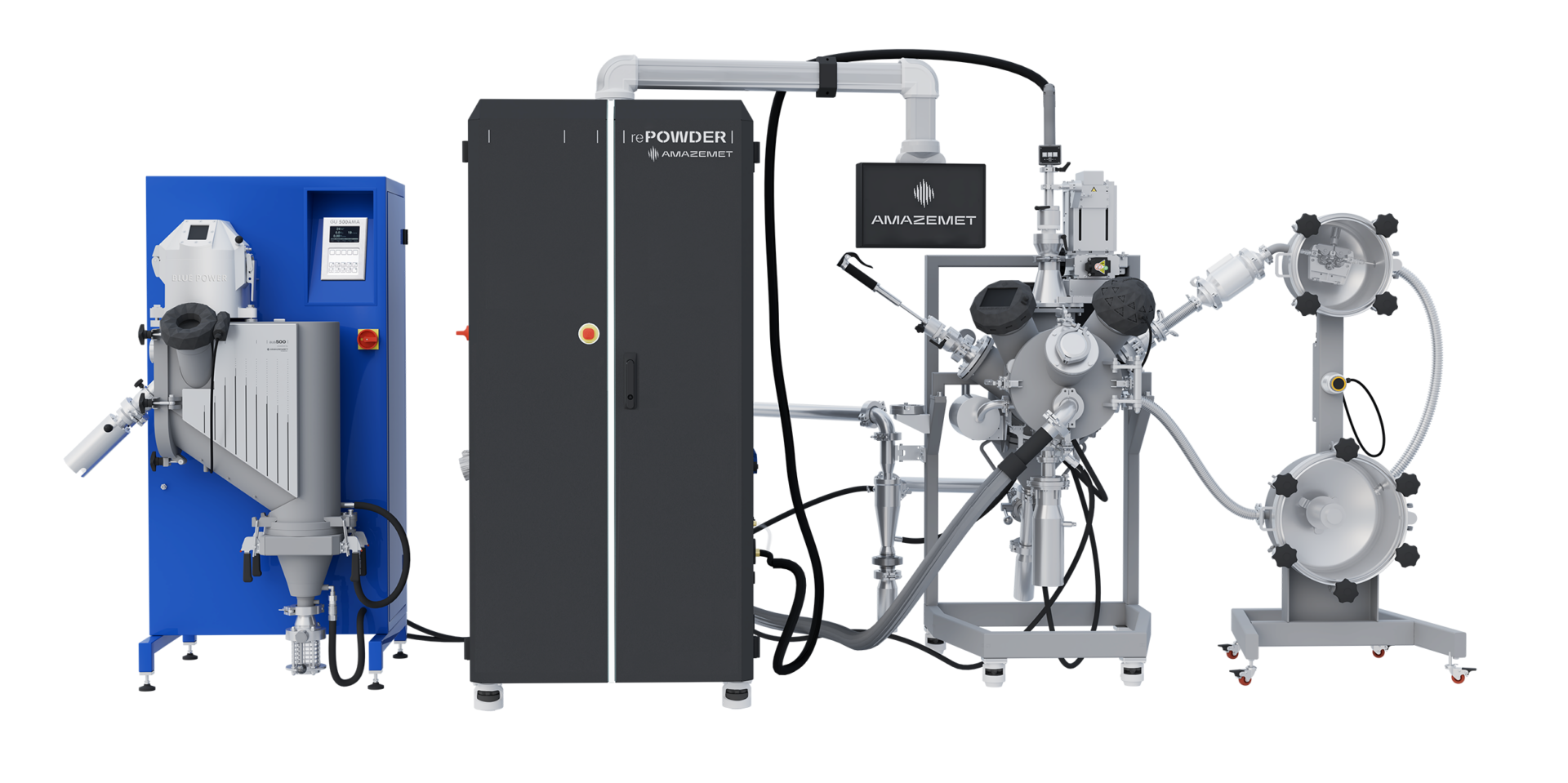
Let’s talk about closing the loop in your manufacturing process with our metal research multitool – rePOWDER.
02
Let’s develop the perfect powder for your HIP processes – reach out to our experts, by request a quote for your powder requirements.




