

Freedom in Metal AM Develompent & Production
Unlocking the Performance Potential of Platinum Alloys
Unlocking the Performance Potential of Platinum Alloys
Platinum-based alloys are essential for applications where extreme durability, corrosion resistance, and catalytic properties are considered essential for performance in demanding service environments. Their role in aerospace, electronics, energy, and biomedical sectors continues to expand—especially with the growing demand for high-performance materials in harsh operating environments.
SILVER ALLOYS
Tailored Platinum Alloys for High-Precision Applications
Introduction
Known for their chemical inertness and thermal stability, platinum and its alloys serve as indispensable materials in chemical reactors, thermocouples, fuel cells, and electrical contacts. By alloying platinum with elements such as iridium, rhodium, ruthenium, palladium, copper, or cobalt, engineers can tailor specific properties—enhancing hardness, oxidation resistance, or mechanical strength at elevated temperatures.
For example, Pt-10%Ir and Pt-20%Rh are commonly used in thermocouple wires for high-temperature sensing; Pt-Ru and Pt-Cu alloys are critical in catalytic converters and fuel cells, while Pt-Co and Pt-Ni systems are being explored for advanced electrocatalysts. Dental and biomedical industries also rely on Pt-Au and Pt-Pd alloys due to their excellent biocompatibility. In some specialized applications, high-purity platinum alloy 80 is considered for its resistance to oxidation and stability at elevated temperatures—although it is rarely available in powder form.
This drives demand for custom platinum powder production tailored to precise composition and particle size. Understanding platinum powder uses—from chemical catalysis and electronics to additive manufacturing—is essential for researchers and engineers working with this precious material.
However, pt powder, especially in alloyed or doped form, is often required in small quantities for prototyping or experimental studies. High material costs and limited availability make traditional sourcing inefficient, particularly for cutting-edge R&D. As additive manufacturing gains traction in the processing of noble metals, the need for tailored platinum alloy powders—produced with precision and available in research-ready quantities—is more urgent than ever.
Known for their chemical inertness and thermal stability, platinum and its alloys serve as indispensable materials in chemical reactors, thermocouples, fuel cells, and electrical contacts. By alloying platinum with elements such as iridium, rhodium, ruthenium, palladium, copper, or cobalt, engineers can tailor specific properties—enhancing hardness, oxidation resistance, or mechanical strength at elevated temperatures.
For example, Pt-10%Ir and Pt-20%Rh are commonly used in thermocouple wires for high-temperature sensing; Pt-Ru and Pt-Cu alloys are critical in catalytic converters and fuel cells, while Pt-Co and Pt-Ni systems are being explored for advanced electrocatalysts. Dental and biomedical industries also rely on Pt-Au and Pt-Pd alloys due to their excellent biocompatibility. In some specialized applications, high-purity platinum alloy 80 is considered for its resistance to oxidation and stability at elevated temperatures—although it is rarely available in powder form.
This drives demand for custom platinum powder production tailored to precise composition and particle size. Understanding platinum powder uses—from chemical catalysis and electronics to additive manufacturing—is essential for researchers and engineers working with this precious material.
However, pt powder, especially in alloyed or doped form, is often required in small quantities for prototyping or experimental studies. High material costs and limited availability make traditional sourcing inefficient, particularly for cutting-edge R&D. As additive manufacturing gains traction in the processing of noble metals, the need for tailored platinum alloy powders—produced with precision and available in research-ready quantities—is more urgent than ever.

METAL AM
The Challenge of Sourcing Functional Platinum Alloy Powders
While standard platinum alloys are available from select suppliers, securing research-grade or customized compositions in small amounts remains a significant barrier to innovation.
High-value materials like pt powder are rarely sold in quantities suitable for laboratory-scale experimentation or niche applications. The core challenges include:
01
High Cost per Batch
Bulk-oriented suppliers often impose high MOQs (minimum order quantities), making small-scale procurement of platinum alloy powders—such as Pt-5Ru for fuel cell R&D or Pt-15Ir for sensor applications—prohibitively expensive. Even basic platinum powder price inquiries can reveal substantial barriers for research teams with limited budgets.
02
Limited Alloy Variants
Catalog offerings may only include basic grades like Pt-10%Ir or Pt-20%Rh, without room for nuanced tweaks, such as minor additions of cobalt or iron to improve catalytic activity or modify magnetic properties in alloys like Pt-Co or Pt-Fe.
03
Long Lead Times
Even when custom compositions like Pt-Cr or Pt-W are available, delivery can take months—an obstacle for fast-paced research programs or iterative prototyping.
04
Incompatibility with AM Needs
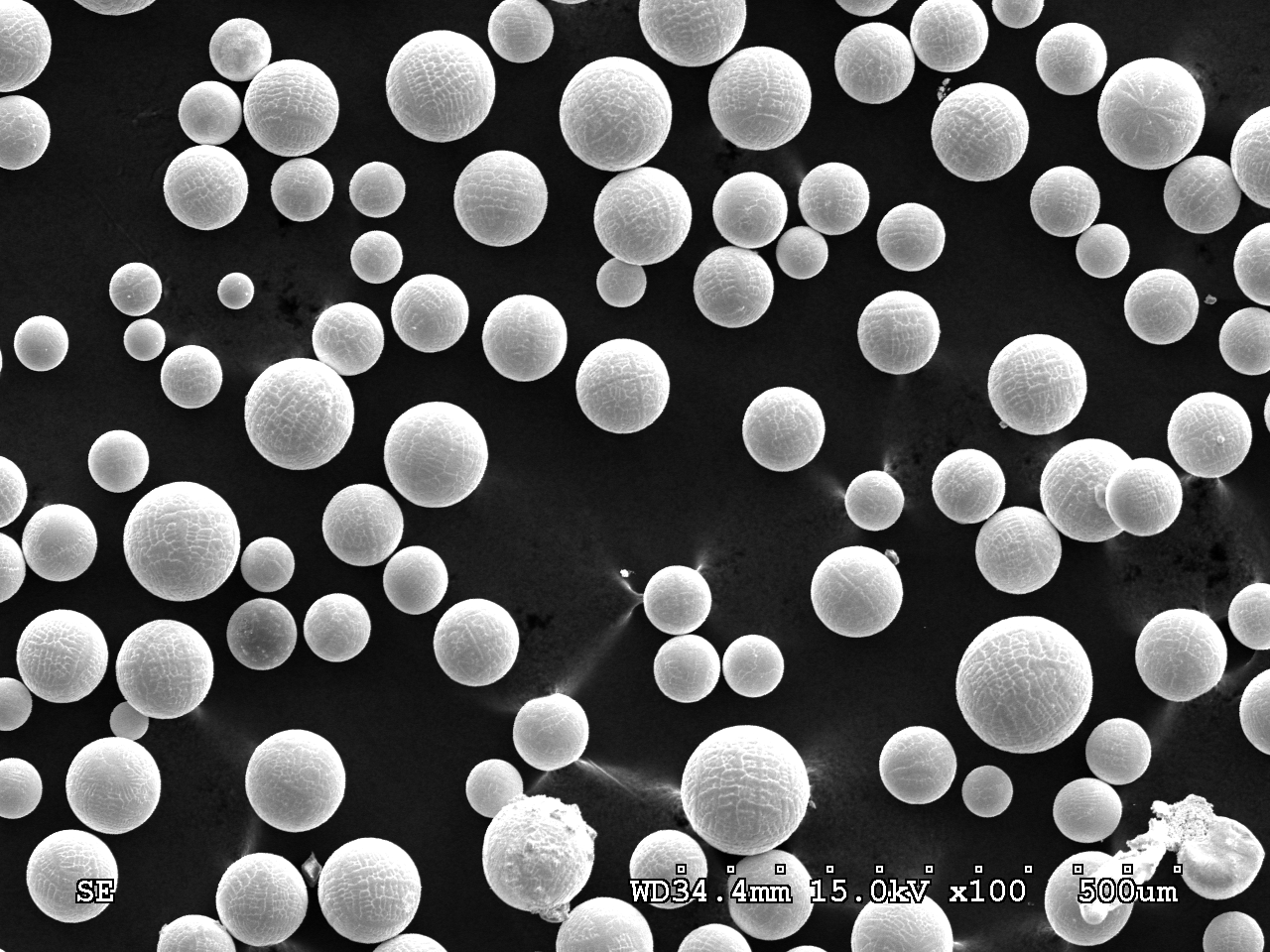
Some available platinum powder types, especially those intended for traditional forming, may lack the spherical morphology, flowability, or PSD control required for processes like Laser Powder Bed Fusion (LPBF) or Binder Jetting.
These issues can stall alloy development, limit experimental flexibility, and raise costs in industries where platinum alloys are essential for innovation—from aerospace thermocouples to electrochemical systems.
These issues can stall alloy development, limit experimental flexibility, and raise costs in industries where platinum alloys are essential for innovation—from aerospace thermocouples to electrochemical systems.
AMAZEMET
Custom Alloy Development and Flexible Powder Production for Platinum
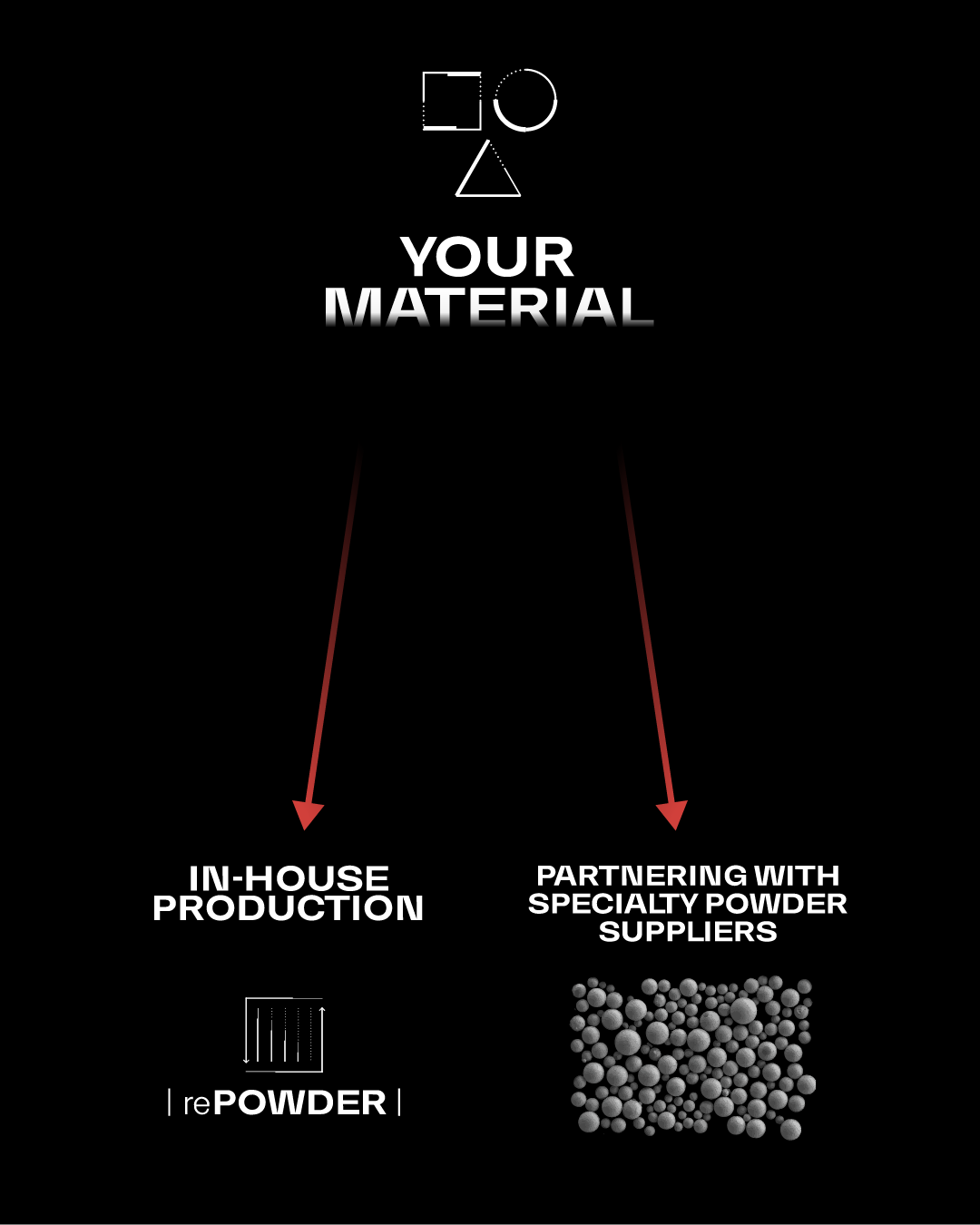
Whether you’re optimizing catalytic activity, improving thermal performance, or developing high-purity electrical contacts, two routes stand out: collaboration with specialty powder producers or taking production in-house.
For projects requiring specific platinum alloys or novel variants—such as Pt-3Co for PEM fuel cell catalysts or Pt-Ni-Cr systems for high-temperature oxidation resistance—two main approaches are especially effective:
- Partnering with Specialized Providers: Some labs and vendors are equipped to produce platinum powder with tailored compositions and particle size distributions. Whether you need Pt-Ru-Pd blends for advanced catalysis or trace additions of tungsten for wear resistance, niche powder suppliers can deliver small batches of engineered material with high precision—though at higher per-unit costs and often with variable lead times.
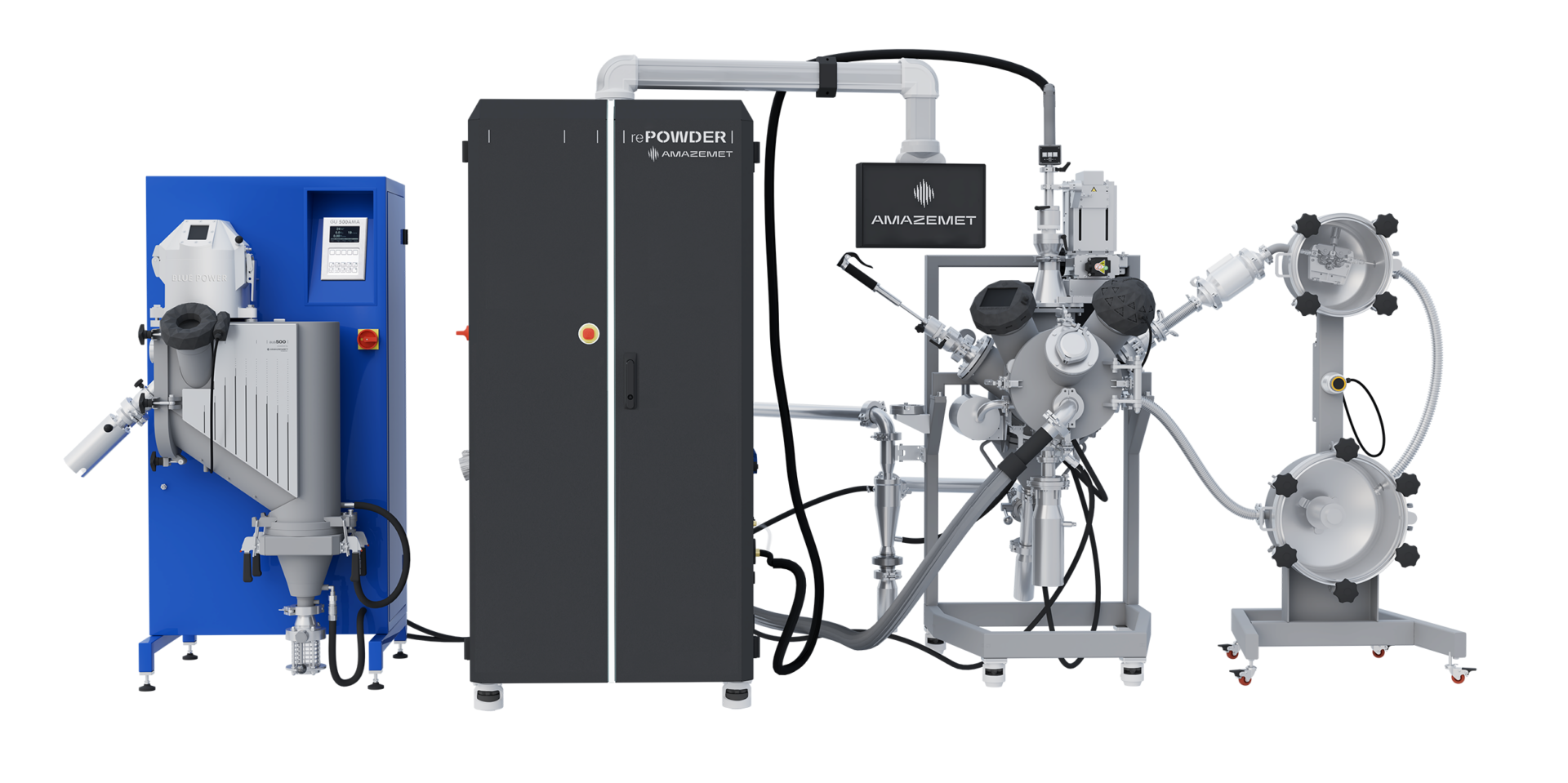
- In-House Powder Production: With metal atomization systems such as rePOWDER, R&D teams gain autonomy to experiment with non-standard systems like Pt-Cu-Au for electronics or Pt-Re for high-temperature structural testing. Producing pt powder internally not only eliminates MOQ-related waste but also supports rapid iteration—ideal when refining the composition for catalytic efficiency or thermal cycling performance.
In both pathways, the goal is the same: enable engineers and researchers to access precisely the platinum powder needed for the application—without being bound by the constraints of mass production or generic specifications.
METAL POWDERS PRODUCTION
Enabling Precision in Platinum Alloy Powder Development
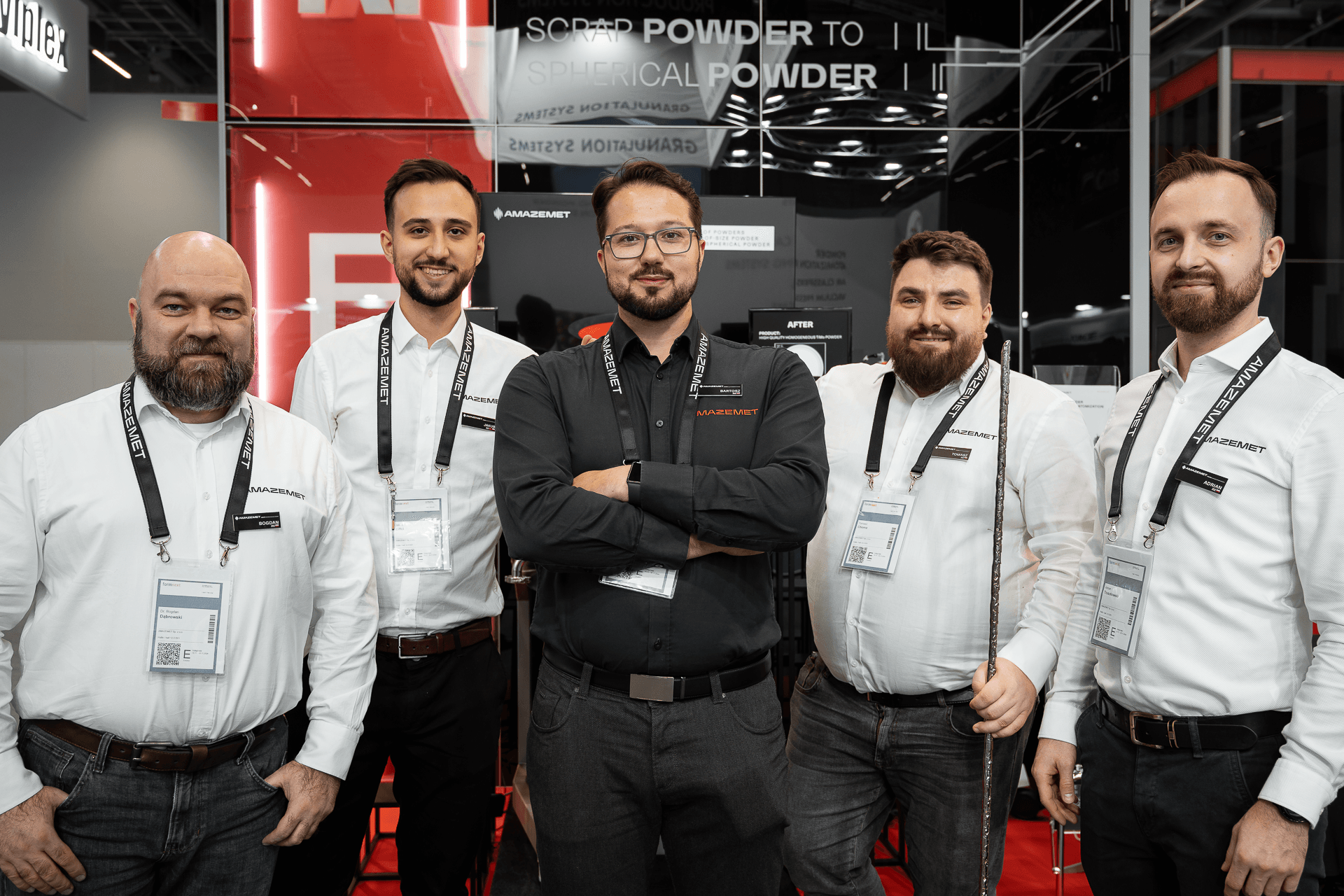
With expertise in ultrasonic atomization and small-batch production, AMAZEMET supports the advancement of platinum-based materials for the most demanding research and industrial applications.
At AMAZEMET, we specialize in high-value materials where performance, purity, and precision are paramount. Platinum alloys are no exception. Whether you're creating powders for novel sensor designs, biomedical implants, or additive manufacturing validation, we offer:
Custom Silver Alloy Powders
From Pt-Rh and Pt-Ir to more experimental compositions involving palladium or osmium, our team helps you define and deliver the right chemistry.
R&D-Ready Quantities
No need to over-invest—obtain exactly the amount of powder you need for screening or prototyping.
Special Focus on Addtive Manufacturing
Our plasma-ultrasonic systems ensure high sphericity and narrow particle size distributions—ideal for AM processes and lab trials alike.
AMAZEMET SERVICES & REPOWDER
Custom Platinum Alloy Powders & rePOWDER: The Complete Solution
Whether you need a unique platinum-based powder or want to produce it yourself, AMAZEMET delivers tailored services and the tools to take full control.
The combination of bespoke powder service and rePOWDER technology empowers research institutions and advanced manufacturers to explore platinum alloys with unmatched flexibility and security.
1. Custom Powder Production Services
- Fine-tuned compositions for specific catalytic, electrical, or structural performance.
- Small-volume production for R&D and prototyping.
- Short turnaround times for high-value, low-quantity needs.
- Assistance in evaluating platinum powder uses for your target application—whether you’re working in thermoelectrics, catalysis, or biocompatible devices.

2. rePOWDER Atomizer for In-House Development
- Compatible with precious metals like platinum, rhodium, iridium, and their alloys.
- Offers high control over particle morphology, temperature profile, and chemistry.
- Reduces waste by enabling just-in-time production and minimizing unused material.
BOOST YOUR PROJECT WITH AMAZEMET
Connect with AMAZEMET to access premium platinum-based powders or bring atomization capabilities in-house for total control over your materials.



