

INTRODUCTION
Binder Jetting
Binder Jetting
Binder Jetting has established itself as a key additive manufacturing method, valued for its high throughput and cost-efficiency compared to powder bed fusion techniques. Unlike laser or electron beam melting, Binder Jetting employs a liquid binder to selectively bond layers of metal powder, forming a "green" part. This part is subsequently subjected to debinding and sintering, where the binder is removed, and the powder particles densify. The process, reminiscent of traditional casting, enables the production of large batches of complex geometries without requiring intense thermal management during printing.
EVOLUTION
The Evolution of Binder Jetting
The Evolution of Binder Jetting
The foundations of Binder Jetting were laid in the early 1990s at the Massachusetts Institute of Technology (MIT), where researchers pioneered an inkjet-inspired method to selectively deposit a binder onto a powder bed. Over time, the commercialization of the technology led to significant improvements in material compatibility, process scalability, and overall reliability. Today, Binder Jetting has gained traction across industries such as aerospace, automotive, biomedical, and tooling, offering an efficient pathway for cost-effective metal part production.
INDUSTRY INNOVATORS
Leading Innovators in Binder Jetting
Leading Innovators in Binder Jetting
Industry leaders continue to refine and expand Binder Jetting capabilities. ExOne specializes in industrial-scale systems for metal and ceramic processing, while Desktop Metal has introduced compact, office-friendly solutions with an emphasis on process automation. HP has leveraged its expertise in inkjet printing to develop high-speed Binder Jetting platforms with enhanced process control. Meanwhile, Colibrium Additive focuses on precision material handling and advanced process control, catering to the evolving demands of additive manufacturing.

The Advantages of Binder Jetting
Binder Jetting offers several advantages that make it a competitive choice in metal additive manufacturing:
01
High-Volume Production Efficiency
Used for their excellent wetting characteristics and thermal conductivity.
02
No Need for Support Structures
Ideal for high-temperature and oxidation-resistant applications.
03
Lower Surface Roughness
Commonly used for copper and brass joining without the need for flux.
04
Scalability
Commonly used for copper and brass joining without the need for flux.

Binder Jetting Challenges
Binder Jetting presents several technical challenges that must be addressed to ensure high-quality parts and process efficiency:
Green State Fragility
The low mechanical strength of parts before sintering makes them susceptible to damage, limiting handling and the maximum build size.
Binder Compatibility
Materials require specialized binder formulations to ensure uniform adhesion, controlled debinding, and minimal contamination, which can vary depending on the metal alloy used.
Complex Post-Processing
The debinding and sintering steps involve multiple stages, typically requiring two separate furnace systems to achieve optimal densification.
Dimensional Accuracy Constraints
Shrinkage, warpage, and mechanical inconsistencies during sintering lead to dimensional accuracy variations, typically within ±1–3%, requiring careful process optimization.
Potential for Contamination
If binder residues are not fully removed, they can cause defects or introduce impurities, compromising the final material properties and part integrity.
METAL POWDER
Powder Engineering for Binder Jetting
Powder characteristics play a critical role in the success of Binder Jetting. High flowability and excellent spreadability are essential for achieving uniform layer deposition, while a controlled particle size distribution—typically within 10–50 µm—is necessary for optimal sintering behavior. The presence of satellites or irregular particle morphology can negatively impact powder flow and layer uniformity, making near-spherical powder morphology preferable. Low oxide content is equally crucial, as excessive oxidation can hinder sintering efficiency and compromise mechanical properties. Ensuring these powder attributes results in improved part density, reduced defects, and greater process stability.
Lithography-Based Metal Manufacturing (LMM) as a Complementary Technology
Lithography-Based Metal Manufacturing (LMM) presents an alternative approach to sinter-based additive manufacturing, particularly in high-precision applications such as jewelry, watchmaking, and medical implants. Unlike Binder Jetting, which relies on dry powder and a liquid binder, LMM employs a photosensitive resin mixed with metal powder. This resin is selectively cured layer by layer before undergoing debinding and sintering.
Comparing Binder Jetting and LMM
While both Binder Jetting and LMM utilize sintering, they differ significantly in their applications and processing methods. LMM generally offers finer feature resolution and superior surface finish, making it suitable for intricate geometries. Binder Jetting, on the other hand, is optimized for high-volume production and excels in batch manufacturing. Material compatibility is broad in both processes, but LMM is particularly advantageous for precious metals and fine-detail alloys.

AMAZEMET's Expertise in Binder Jetting Powders
AMAZEMET specializes in advanced powder metallurgy, focusing on the development and refinement of metal powders for additive manufacturing applications. The team, comprising experts in materials science and engineering, possesses extensive knowledge in atomization techniques. With a strong emphasis on powder flowability, oxidation resistance, and sintering behavior, AMAZEMET collaborates with research institutions and industrial partners to improve material properties and optimize processing conditions. Their work in powder engineering contributes to the advancement of feedstock solutions for various additive manufacturing technologies, including Binder Jetting, by enhancing powder uniformity and reducing waste in atomization processes.
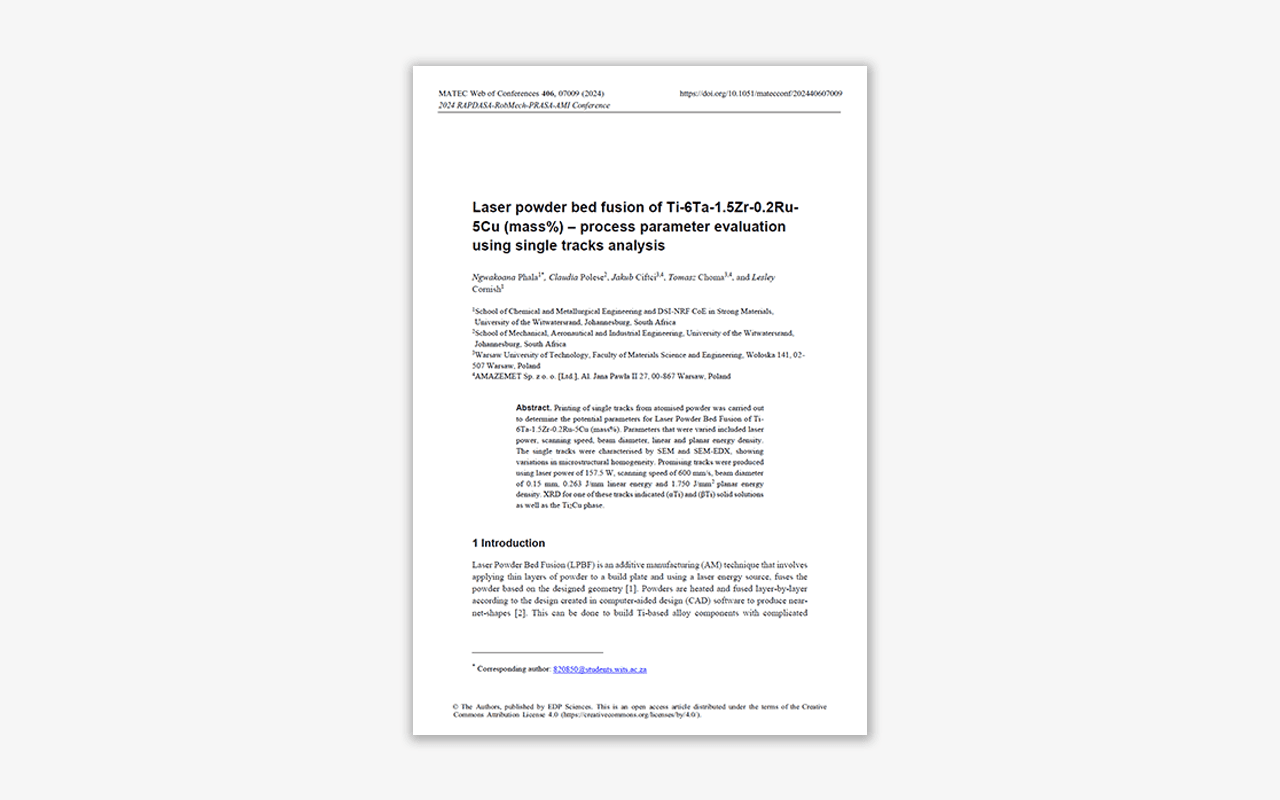
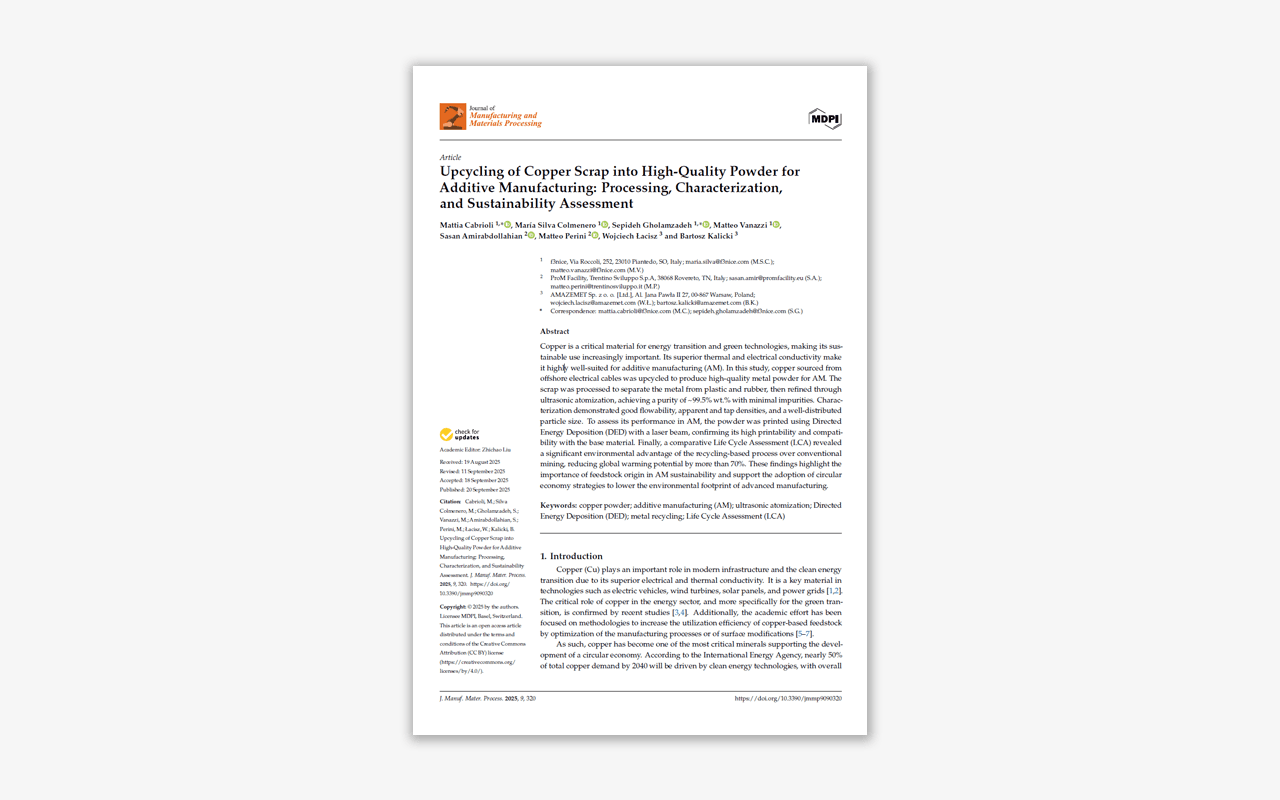
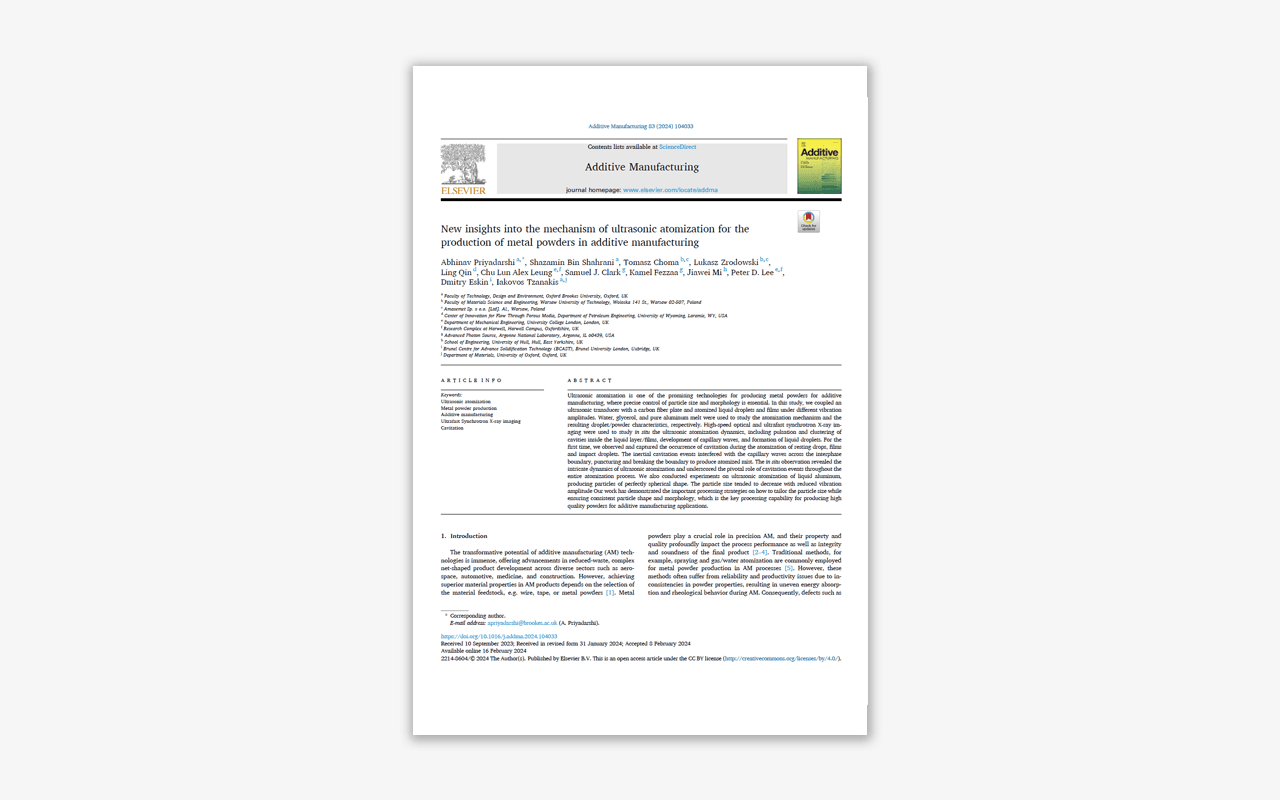
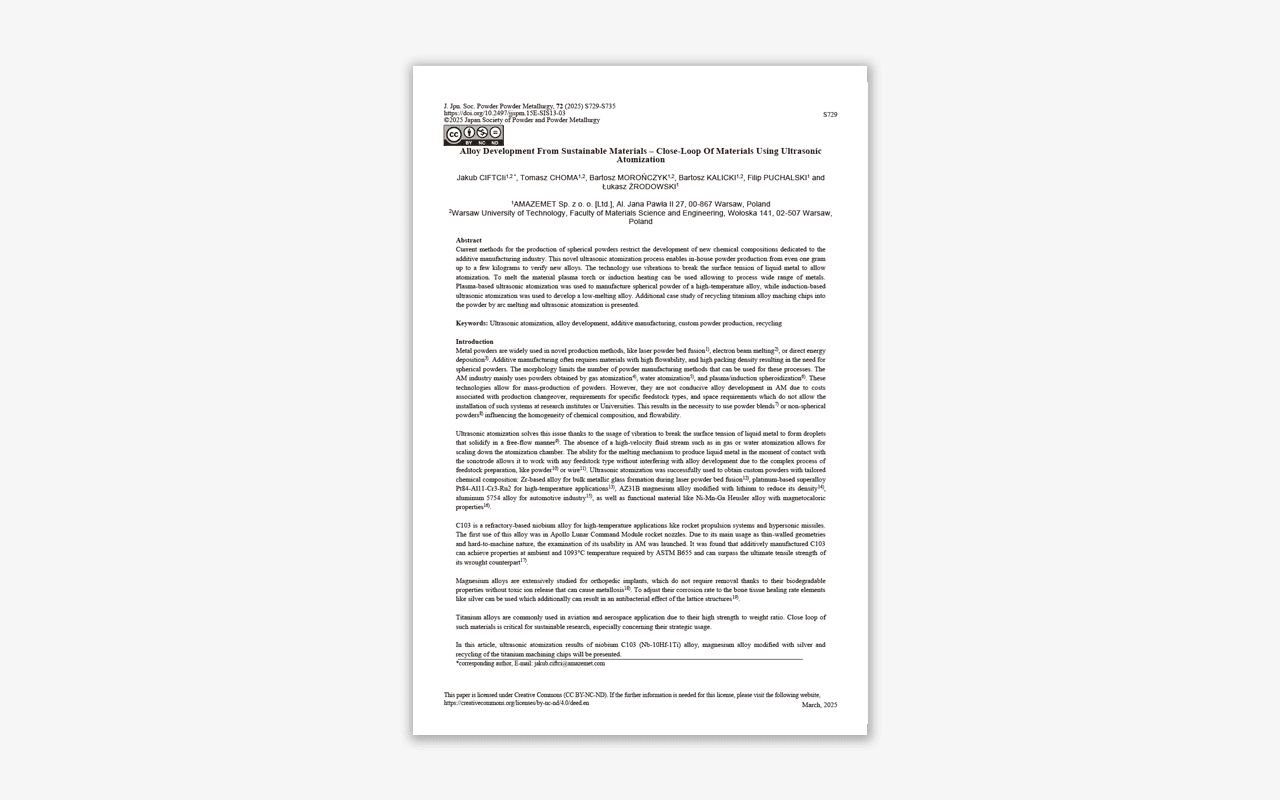
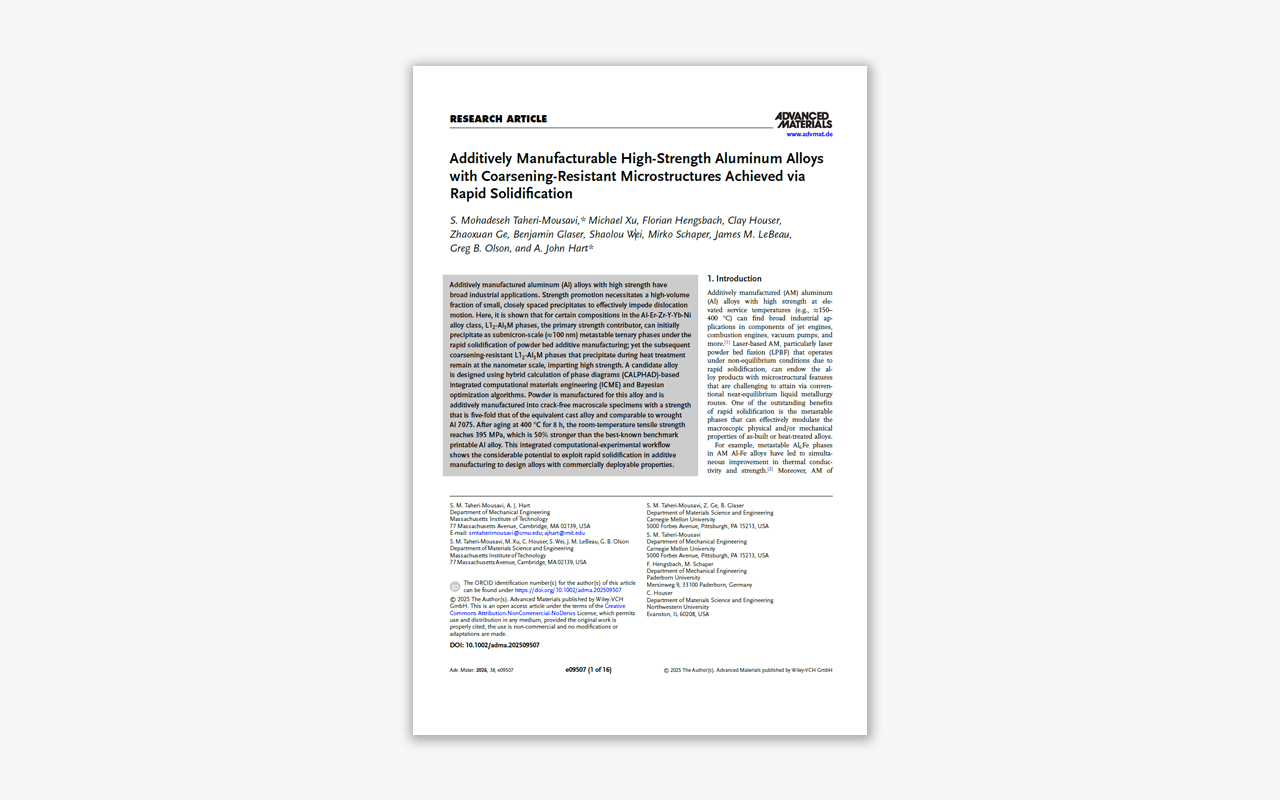
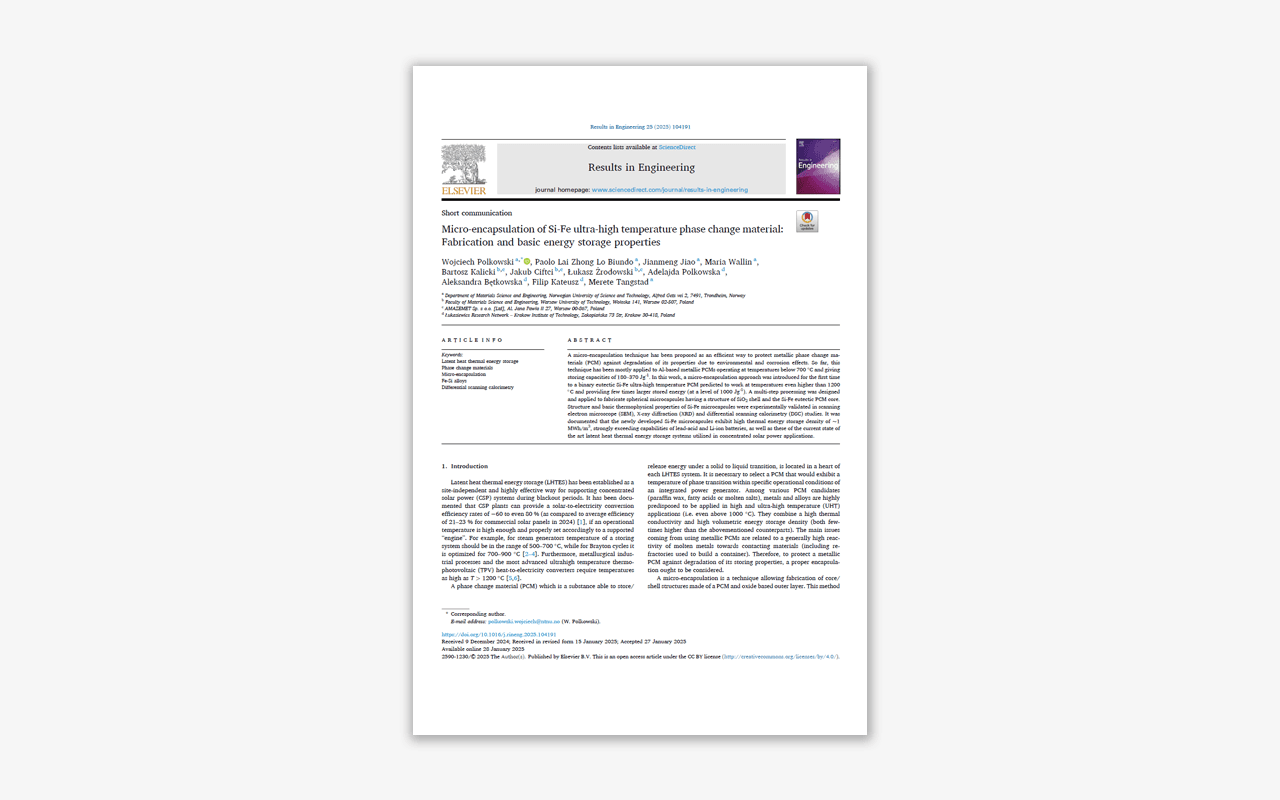
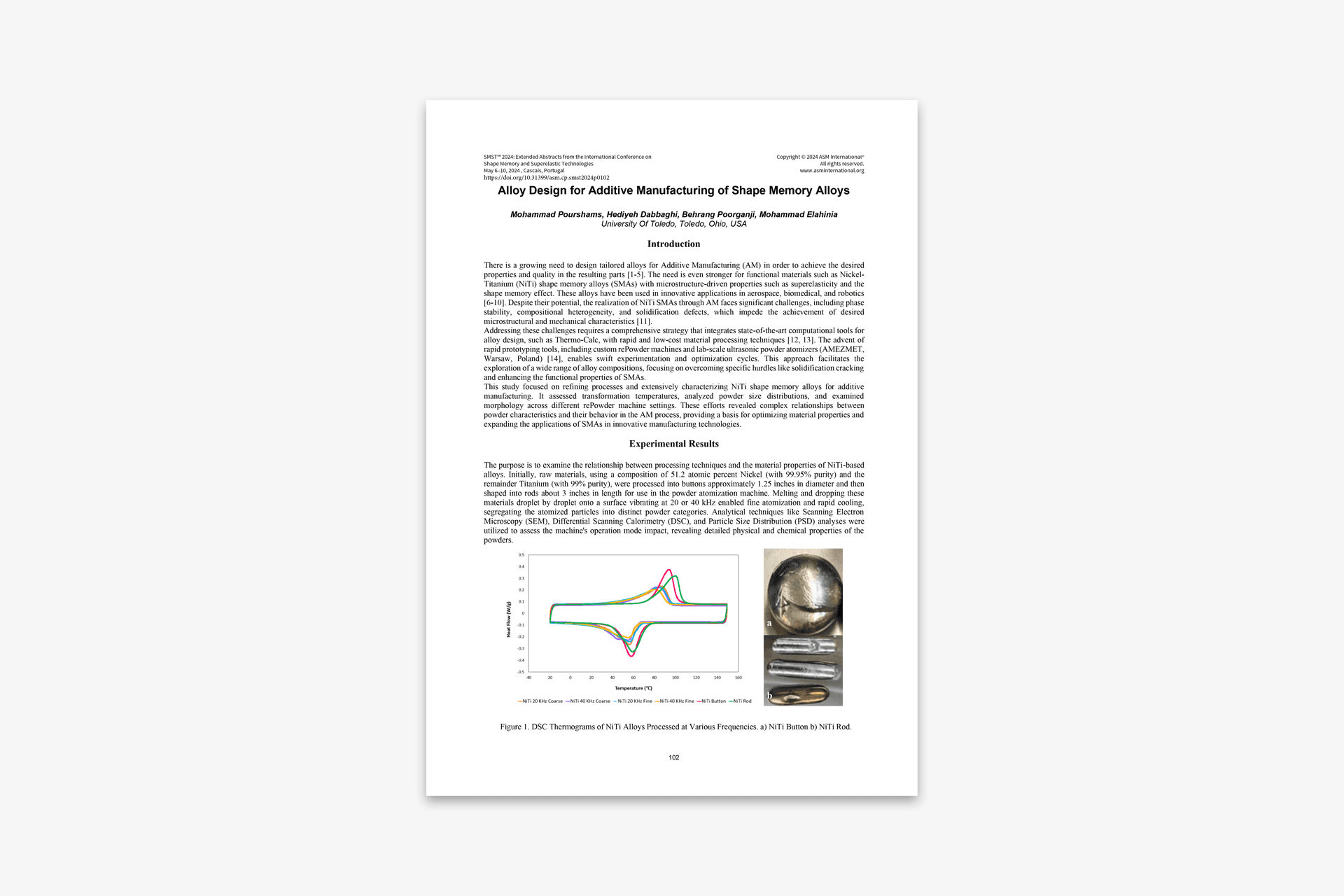
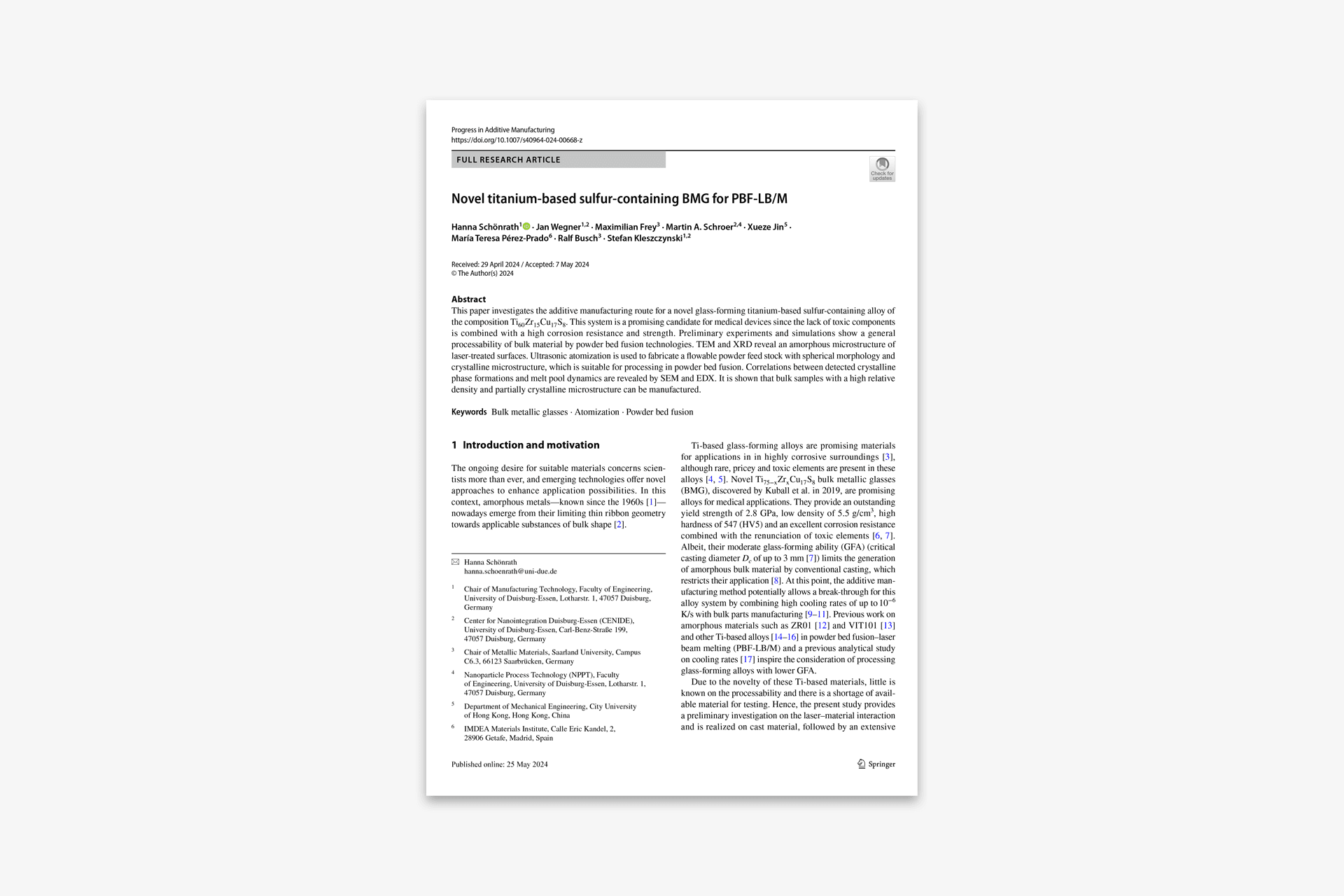
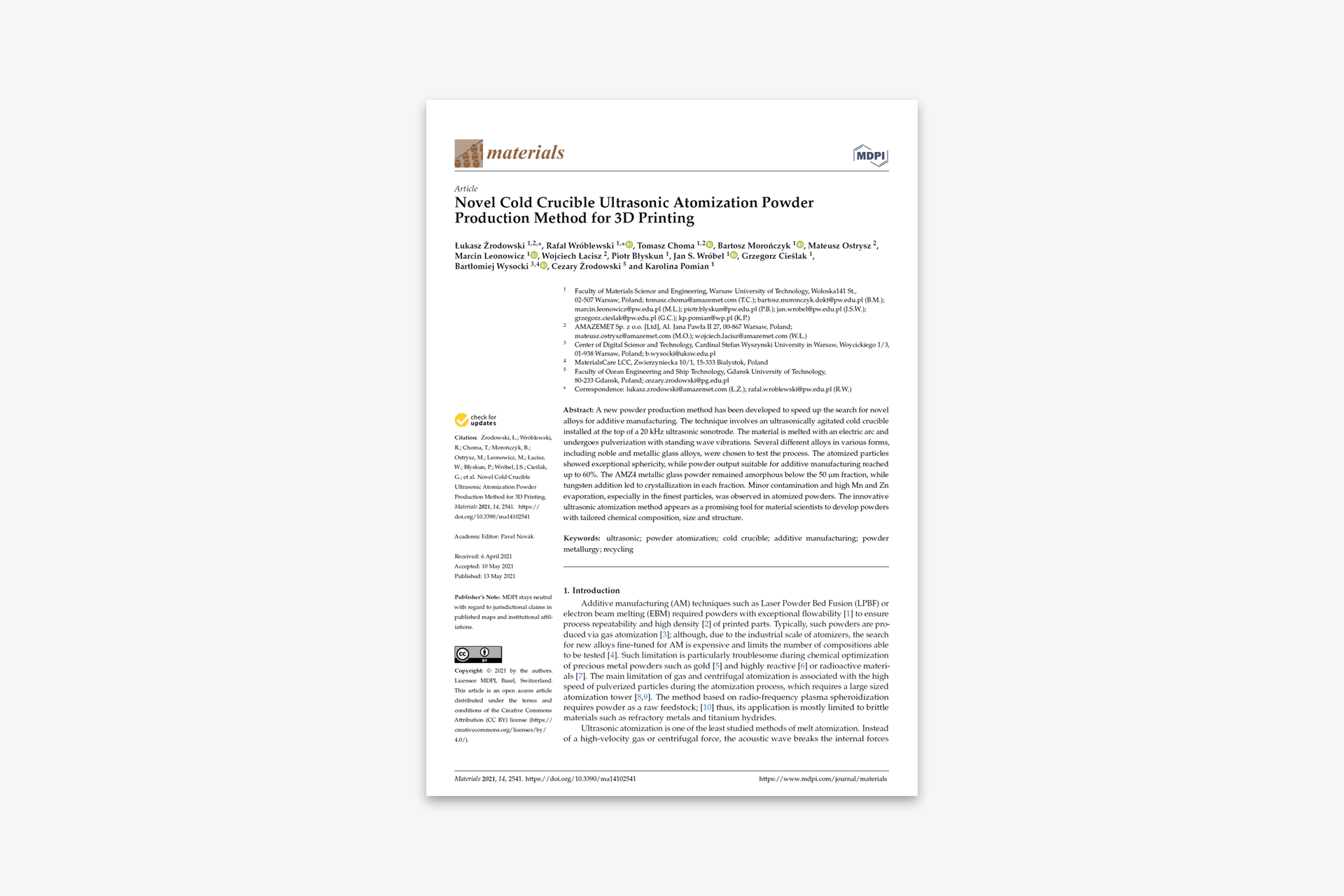
Authors: Hanna Schönrath, Jan Wegner, Maximilian Frey, Martin A. Schroer, Xueze Jin, María Teresa Pérez-Prado, Ralf Busch & Stefan Kleszczynski
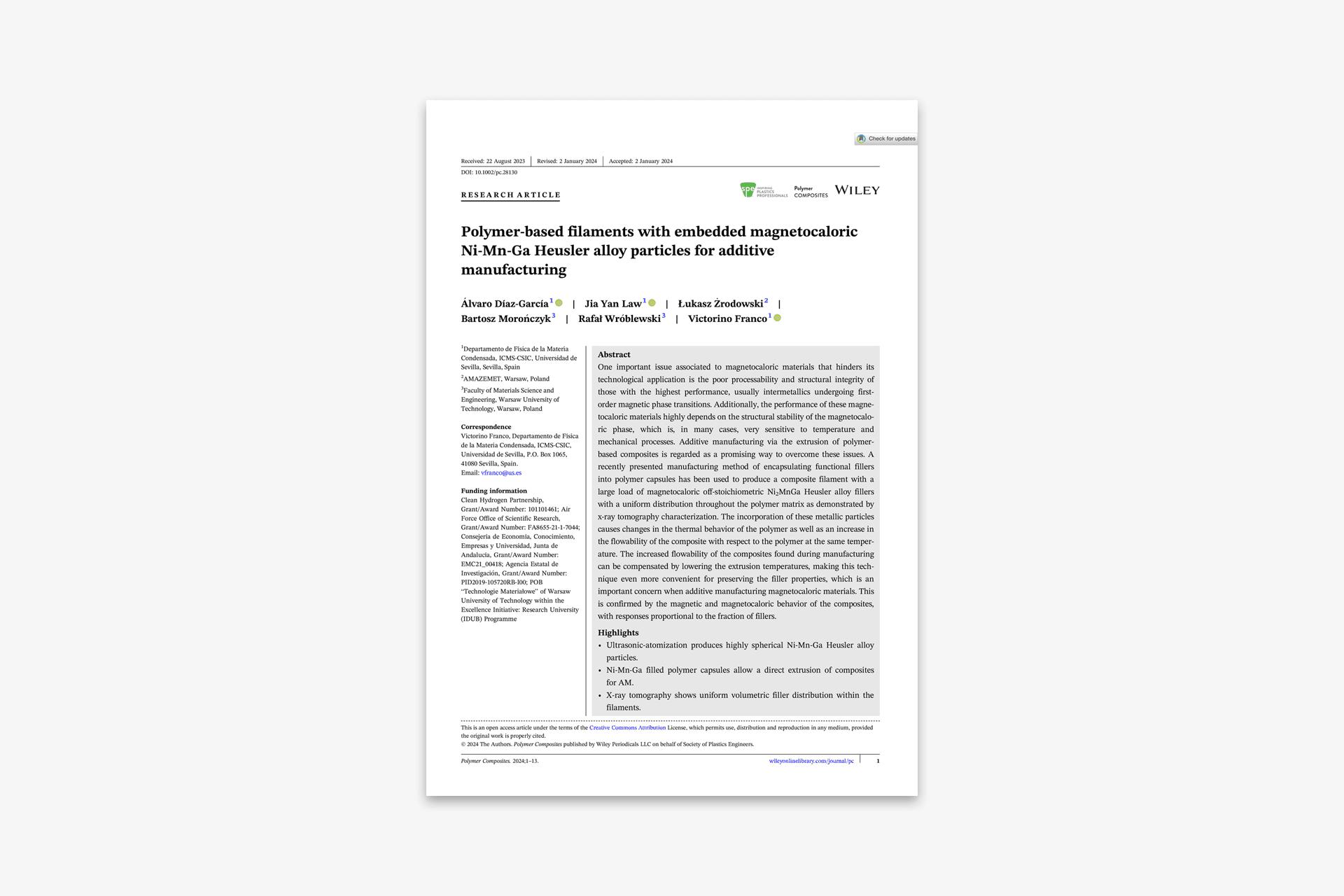
Authors: Álvaro Díaz-García, Jia Yan Law, Łukasz Żrodowski, Bartosz Morończyk, Rafał Wróblewski, Victorino Franco
OUR CUSTOMERS
Trusted by Innovators Worldwide
AMAZEMET is proud to collaborate with a diverse range of clients who trust our cutting-edge solutions to advance their projects. rePOWDER is currently being used to atomize novel powder compositions in:





SERVICES
Ultrasonic Atomization for High-Performance Binder Jetting Powders
Producing high-quality powders for Binder Jetting is a complex challenge—but it doesn’t have to be. With advanced ultrasonic atomization technologies like rePOWDER and Powder2Powder, AMAZEMET empowers manufacturers and researchers to improve powder efficiency, unlock new alloy possibilities, and reduce material waste—all while maintaining the highest standards of powder quality.
Advantages of AMAZEMET Atomization Services
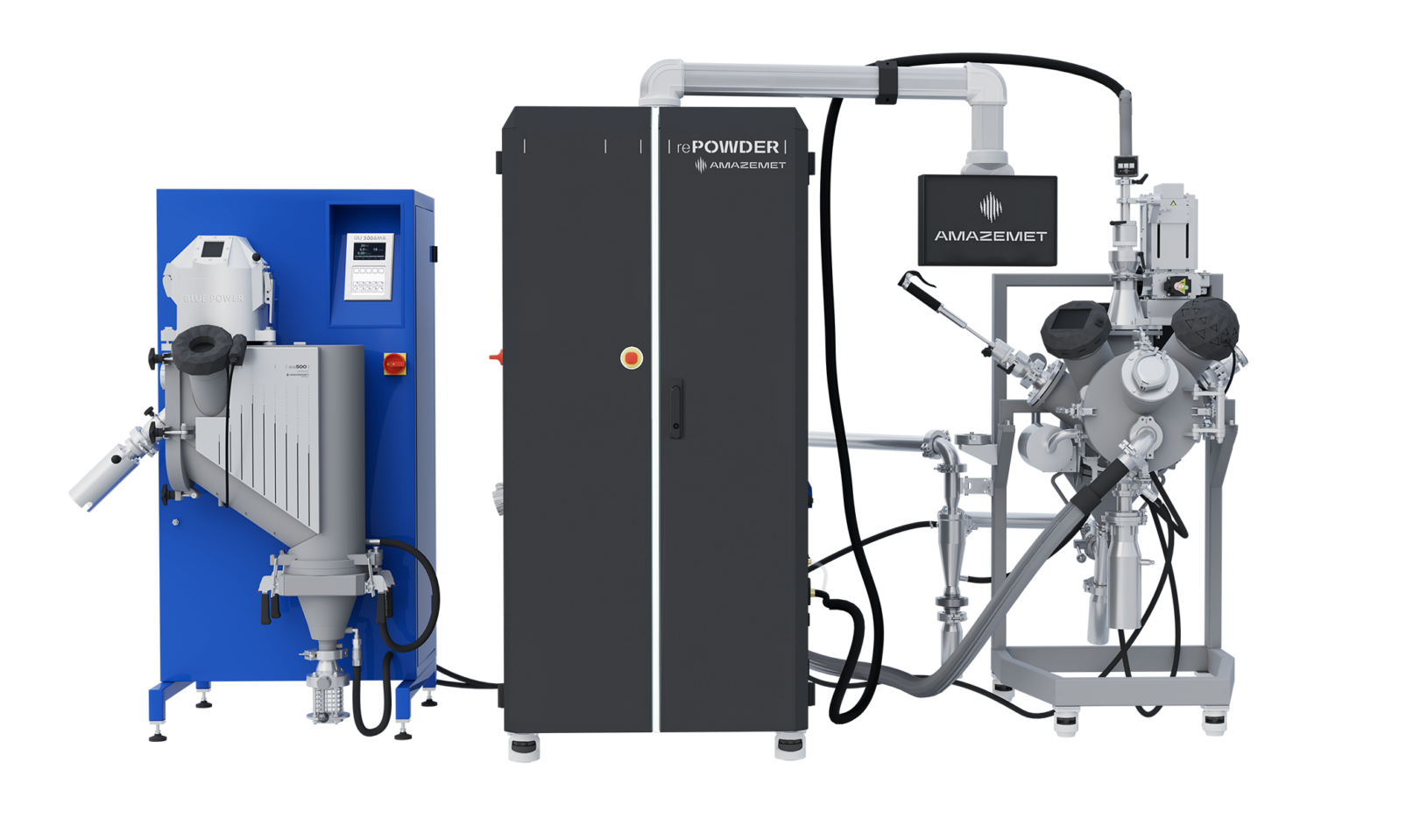
To meet the growing demand for high-quality Binder Jetting feedstock, AMAZEMET has developed the rePOWDER system, a lab-scale ultrasonic atomization platform. Unlike conventional gas atomization, which produces a significant fraction of oversized particles, ultrasonic atomization ensures a controlled particle size distribution within the 10–50 µm range, maximizing material efficiency. The process also minimizes oxygen pickup, preserving powder purity and improving sinterability. By supporting a broad range of materials, including magnesium, aluminum alloys, stainless steels, titanium alloys, nickel-based superalloys, and customized powder formulations, rePOWDER provides an essential tool for material development.
Powder2Powder: Refining Feedstock for Binder Jetting
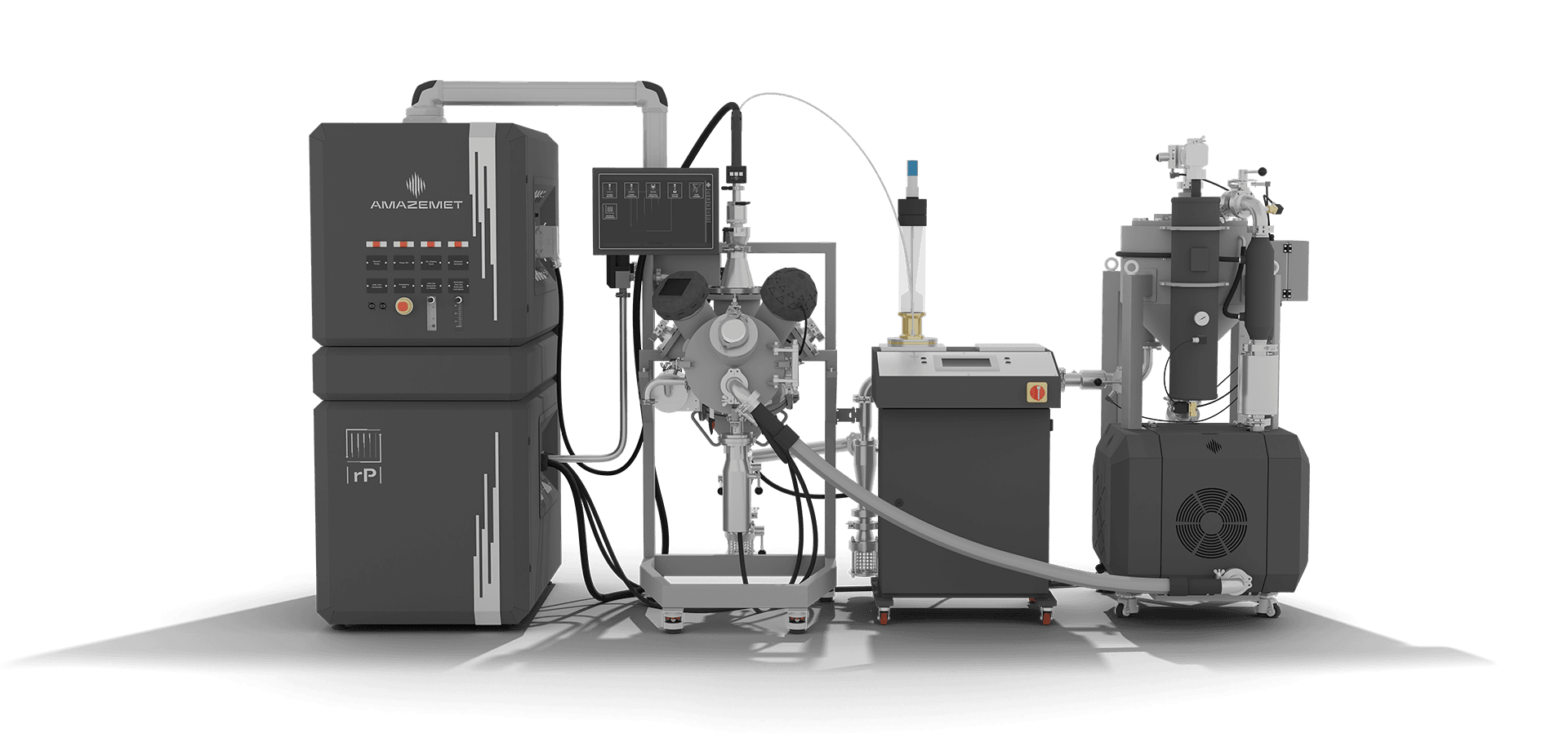
AMAZEMET’s Powder2Powder (P2P) ultrasonic atomization technology addresses one of the most pressing inefficiencies in Binder Jetting—the presence of oversized powder fractions from gas atomization. P2P enables the reduction of coarse particles into a controlled size range suitable for Binder Jetting, significantly improving material utilization. Beyond refining particle size, the technology also allows for the reprocessing of irregular or mixed powder feedstock, making it possible to develop entirely new alloy compositions tailored for Binder Jetting applications. This capability opens new avenues for sustainable material use, reducing waste while ensuring optimal powder performance in additive manufacturing.
Collaborate with AMAZEMET
Binder Jetting offers a promising avenue for cost-effective and scalable metal part production. To maximize its potential, high-quality powders and tailored process control are essential. AMAZEMET provides cutting-edge solutions in powder engineering, alloy development, and ultrasonic atomization, enabling manufacturers and researchers to push the boundaries of Binder Jetting technology.
01
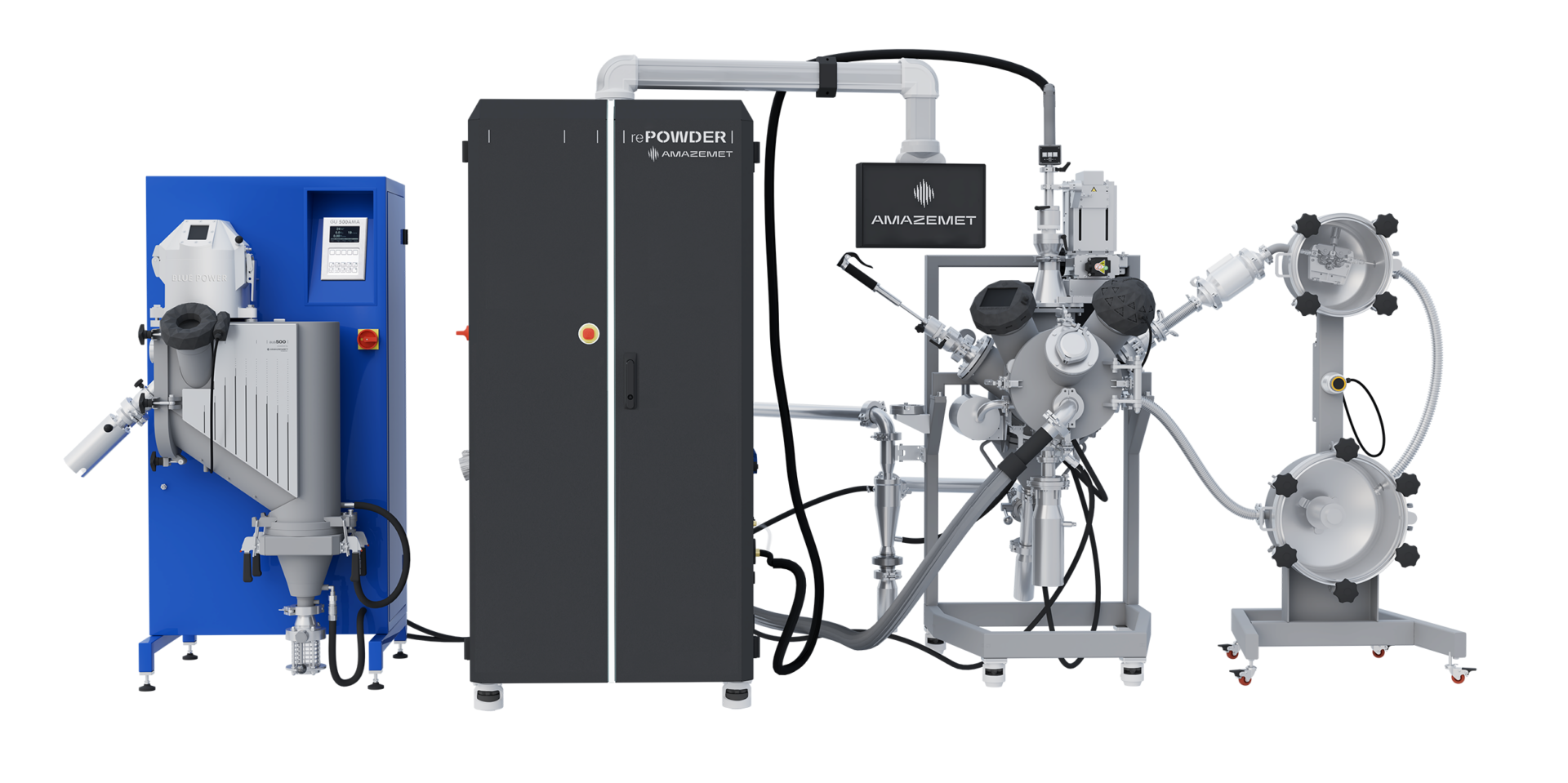
Let’s talk about closing the loop in your manufacturing process with our metal research multitool – rePOWDER.
02
Let’s develop the perfect powder for your binder jetting processes – reach out to our experts, by request a quote for your powder requirements.




