

Freedom in Metal AM Develompent & Production
Zirconium Alloys for Nuclear and Metallurgical Applications
Zirconium Alloys for Nuclear and Metallurgical Applications
As industries push the limits of performance and safety, zirconium alloys have emerged as indispensable materials in both nuclear technology and energetic systems. Their unique combination of properties makes them ideal for applications where corrosion resistance, thermal stability, and low neutron absorption are non-negotiable—driving demand for high-quality zirconium powders tailored to the most demanding environments.
ZIRCONIUM ALLOYS
Zirconium Alloys: Essential Powders for High-Performance Applications
Introduction
Zirconium alloys are foundational to nuclear engineering and high-temperature metallurgy, offering unmatched corrosion resistance, low neutron absorption, and excellent mechanical strength. As additive manufacturing (AM) continues to evolve, so does the need for high-quality zirconium alloys powder, capable of producing precision components for critical systems.
In nuclear reactors, zirconium alloys are primarily used as cladding materials for fuel rods due to their low thermal neutron capture cross-section (~0.18 barns), resistance to corrosion in high-temperature water and steam, and compatibility with uranium dioxide fuels. They also provide dimensional stability under irradiation, excellent thermal conductivity, and minimal activation—essential for long-term operation and safety.
Other key nuclear applications include control rod guide tubes, spacers, and pressure tube linings. Structural parts such as valves, subjected to high mechanical and thermal loads, benefit from zirconium's strength-to-weight ratio and stability under neutron flux. AM technologies now enable the creation of graded-density zirconium components with improved thermal regulation and complex geometries.
Beyond nuclear applications, finely divided zirconium metal powder is widely used in energetic materials due to its pyrophoric nature and high enthalpy of combustion. Zirconium powder is a vital component in ignition compositions, thermites, delay trains, and propellants in aerospace, mining, and defense.
Developing zirconium powder with controlled particle size distribution, sphericity, and purity is crucial to unlock its full potential in both nuclear safety and energetic applications. However, access to custom compositions and small-batch zirconium alloys powder remains a key challenge for researchers and engineers.
Zirconium alloys are foundational to nuclear engineering and high-temperature metallurgy, offering unmatched corrosion resistance, low neutron absorption, and excellent mechanical strength. As additive manufacturing (AM) continues to evolve, so does the need for high-quality zirconium alloys powder, capable of producing precision components for critical systems.
In nuclear reactors, zirconium alloys are primarily used as cladding materials for fuel rods due to their low thermal neutron capture cross-section (~0.18 barns), resistance to corrosion in high-temperature water and steam, and compatibility with uranium dioxide fuels. They also provide dimensional stability under irradiation, excellent thermal conductivity, and minimal activation—essential for long-term operation and safety.
Other key nuclear applications include control rod guide tubes, spacers, and pressure tube linings. Structural parts such as valves, subjected to high mechanical and thermal loads, benefit from zirconium's strength-to-weight ratio and stability under neutron flux. AM technologies now enable the creation of graded-density zirconium components with improved thermal regulation and complex geometries.
Beyond nuclear applications, finely divided zirconium metal powder is widely used in energetic materials due to its pyrophoric nature and high enthalpy of combustion. Zirconium powder is a vital component in ignition compositions, thermites, delay trains, and propellants in aerospace, mining, and defense.
Developing zirconium powder with controlled particle size distribution, sphericity, and purity is crucial to unlock its full potential in both nuclear safety and energetic applications. However, access to custom compositions and small-batch zirconium alloys powder remains a key challenge for researchers and engineers.

METAL AM
Challenges in Procuring Custom Zirconium Alloy Powders
Despite their critical importance, zirconium alloy powders tailored for research or advanced manufacturing are difficult to obtain.
01
Limited Availability of Research-Grade Powders
Most suppliers focus on bulk zirconium products. Powder forms, especially with experimental compositions or tight tolerances, are rarely available.
02
Reactivity and Handling Challenges
Zirconium powder is highly reactive and prone to oxidation or nitridation during production and storage, requiring careful inert gas processing.
03
Hydride Formation Risk
Zirconium alloys exposed to hydrogen can form brittle hydrides, posing structural risks in nuclear environments.
04
Specialized Compositions for Advanced Reactors
New fuel cladding systems and structural components require experimental zirconium alloys with fine-tuned chemistry and microstructure—difficult to source with reliable quality and in small quantities.
AMAZEMET
Innovative Pathways to Zirconium Powder Development
Two complementary approaches are emerging to meet the needs of advanced zirconium powder users:
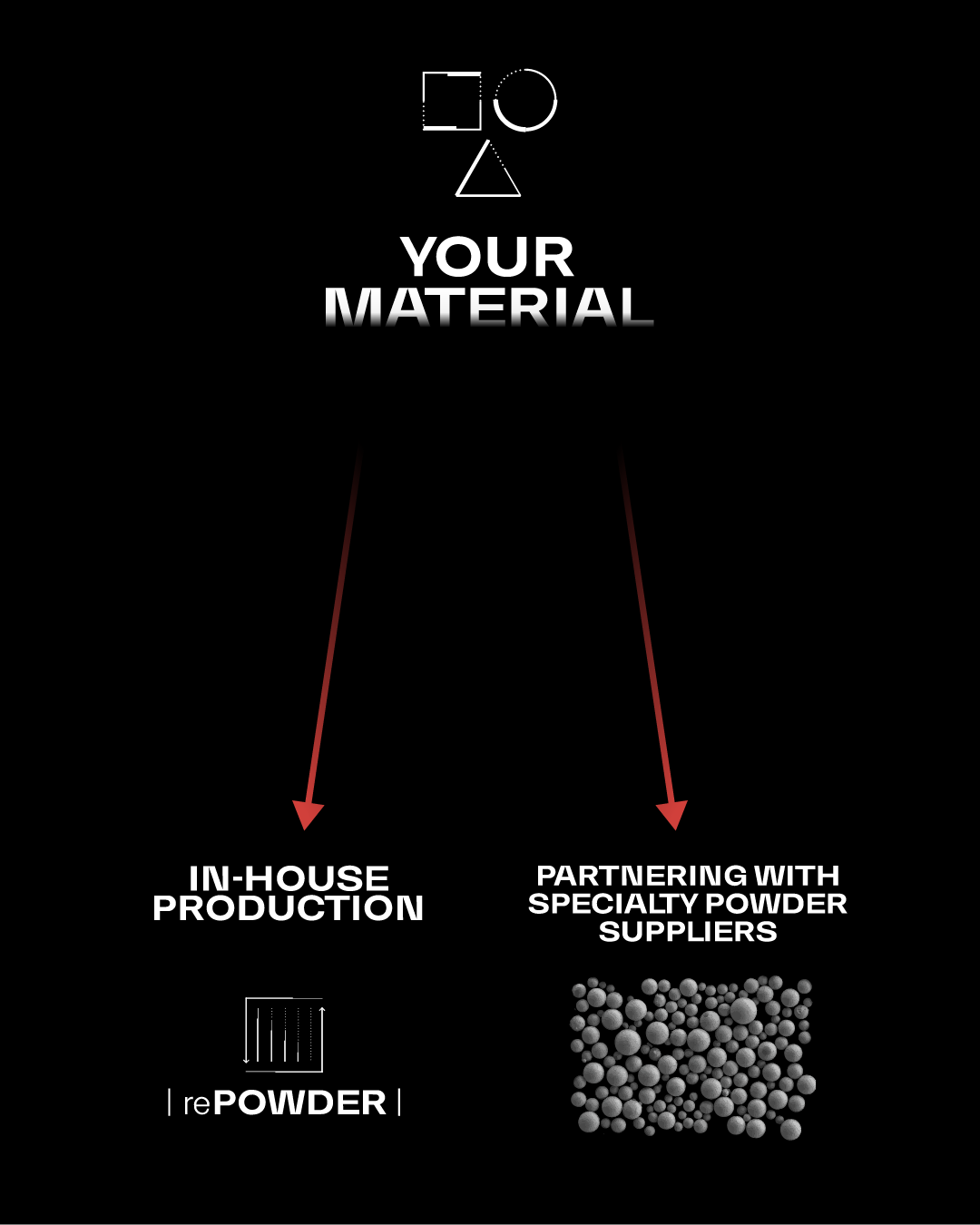
- Custom Powder Production Services: Suppliers specializing in niche alloys can develop compositions such as Zr–Mo–Nb, Zr–Sn–Fe–Cr, and Zr–Nb–Fe–Cu. These alloys are being studied for accident-tolerant fuel (ATF) systems, demonstrating improved oxidation resistance, strength, and neutron stability. More recent research includes alloys like Zr–Nb–Y and Zr–Fe–Cr–Sn, which offer promise in reducing irradiation-induced degradation and extending component lifetimes.
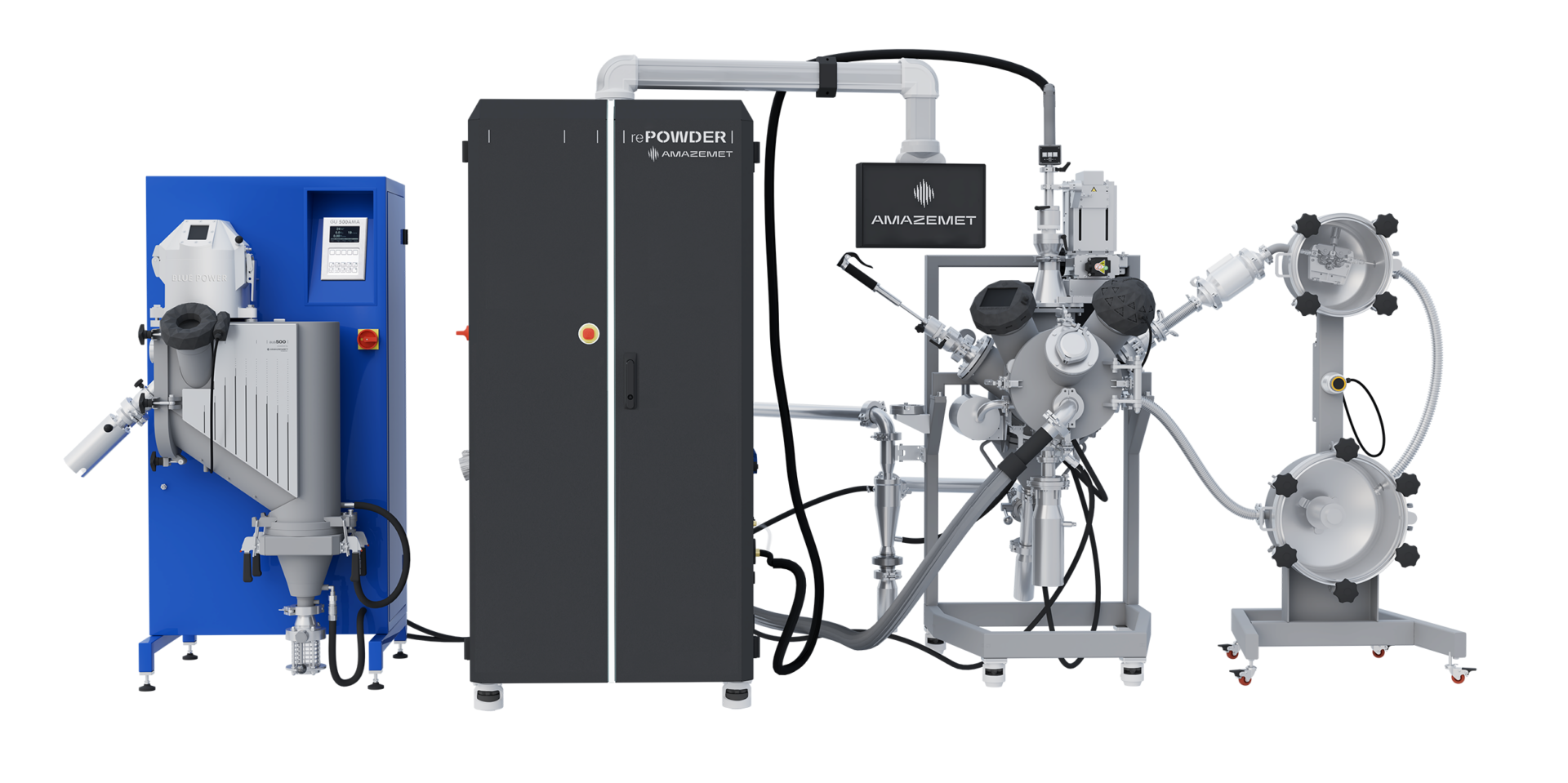
- In-House Atomization via rePOWDER: AMAZEMET's ultrasonic atomization technology empowers research teams to create their own zirconium metal powder from bar stock or compacted feedstock. This enables rapid prototyping, fine compositional adjustments, and full control over powder morphology and quality—especially valuable for evaluating novel formulations.
These options support both iterative alloy development and secure intellectual property management, helping researchers stay ahead in nuclear materials innovation.
METAL POWDERS PRODUCTION
Empowering Custom Zirconium Powder Development
At AMAZEMET, we understand the demands of nuclear and high-performance metallurgy. We offer precision support through advanced powder production services and in-house solutions:
Tailored Zirconium Alloys
Collaborate with our experts to produce Zr–Nb–Ti–Cr, Zr–Mo–Sn, or other emerging alloys engineered for strength, thermal stability, or irradiation tolerance.
Flexible Batch Sizes
Obtain only the amount you need starting from 10 g—reducing cost and material waste.
Powder Quality Assurance
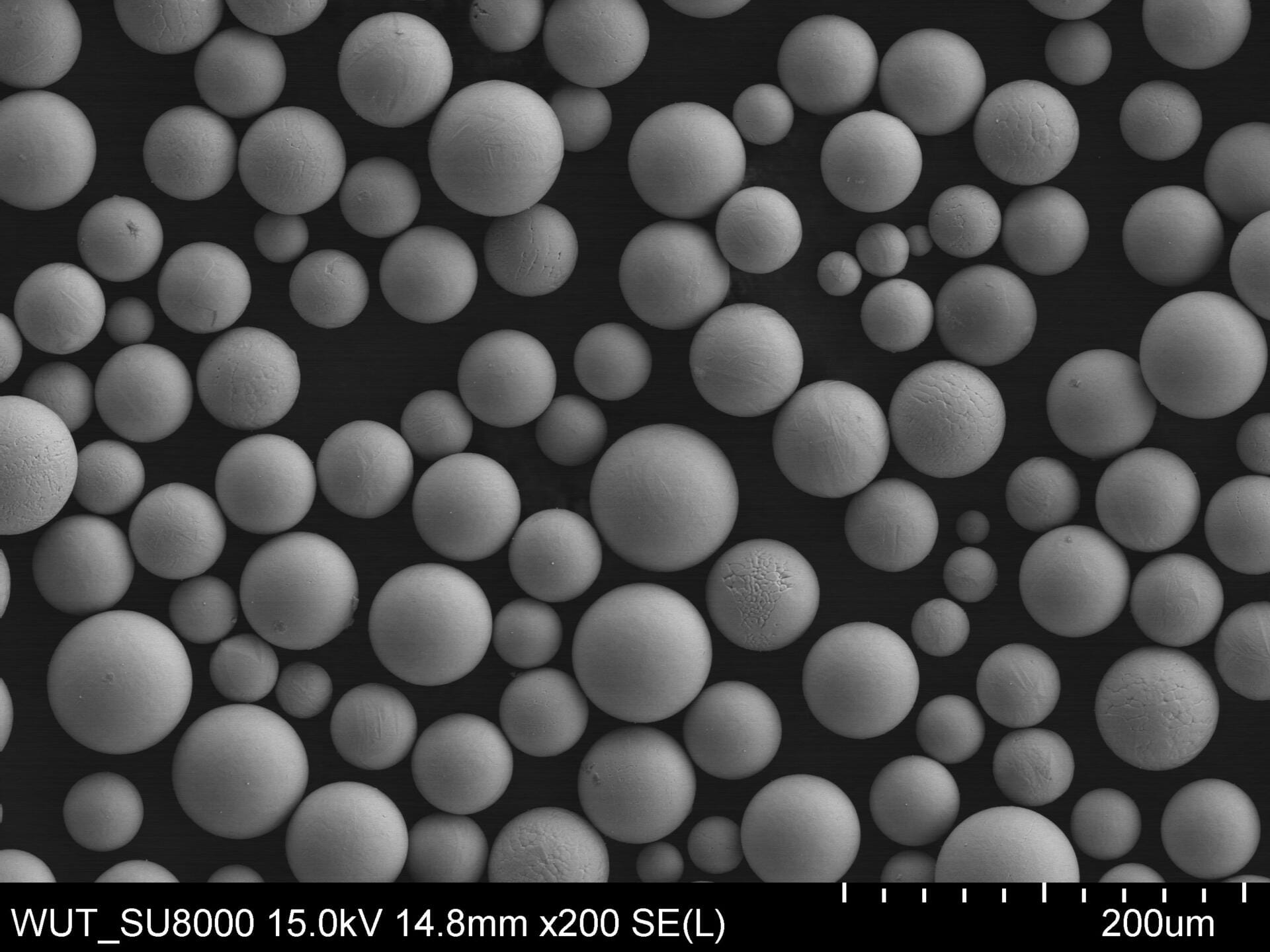
Using plasma-assisted ultrasonic atomization, we deliver zirconium alloys powder with high sphericity, narrow PSD, and low contamination, crucial for AM or pressing/sintering applications.
AMAZEMET SERVICES & REPOWDER
Zirconium Powder Services and In-House Atomization
The following hybrid approach provides unmatched agility for research institutions and forward-looking manufacturers.
1. Custom Powder Production
- Design and produce zirconium alloy powders such as Zr–Nb–Cr and Zr–Y–Sn for advanced structural and nuclear fuel systems.
- Match compositions to application needs—fuel cladding, heat exchangers, reactor valves, and more.
- Achieve particle size and morphology suitable for LPBF, binder jetting, or press-and-sinter techniques.

2. rePOWDER Atomization Platform
- Create your own powder library with in-lab alloying and atomization.
- Control all critical parameters—feedstock, atmosphere, atomization rate, and collection.
- Designed for reactive metals and hazardous materials, including energetic-grade Zr powder.
- Maximize recovery and process safety with up to 99.9% powder collection efficiency.
BOOST YOUR PROJECT WITH AMAZEMET
Whether you’re developing next-generation nuclear cladding or high-performance ignition systems, AMAZEMET provides the powders and tools to get there.



