

INTRODUCTION
Spark Plasma Sintering (SPS) / Field Assisted Sintering Technology (FAST)
Spark Plasma Sintering (SPS) / Field Assisted Sintering Technology (FAST)
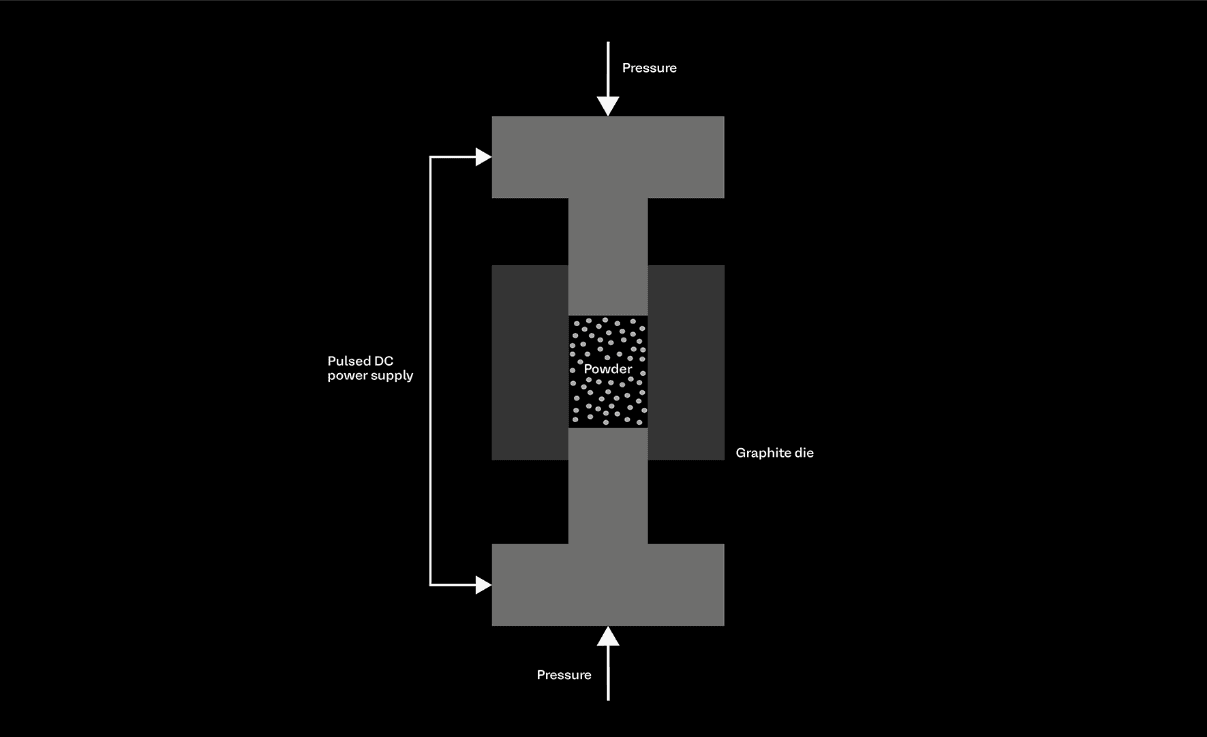
Spark Plasma Sintering (SPS), also known as Field Assisted Sintering Technology (FAST), is a rapid powder consolidation method that employs pulsed DC current and uniaxial pressure to quickly heat and densify metal and ceramic powders. By applying intense localized Joule heating, SPS shortens sintering cycles, reduces grain growth, and preserves valuable microstructural features. This makes it especially attractive for advanced alloys, composite materials, and even cutting-tool applications reinforced with diamonds. The short processing times and applied pressure minimize diamond graphitization and allow for the fabrication of nano-grained materials with exceptional mechanical properties.
SPS
Applications of SPS Technology
Applications of SPS Technology
Spark Plasma Sintering (SPS) technology is widely used across various industries due to its ability to produce high-density, fine-grained materials with minimal grain growth. The broad applicability makes SPS a key enabling technology for the development of next-generation materials with tailored properties and superior performance. Its applications span from structural materials to functional and high-performance components:
Aerospace and Automotive
SPS is used for manufacturing lightweight, high-strength alloys and ceramic composites that offer superior thermal and mechanical properties, crucial for extreme environments.
Cutting Tools and Hard Materials
The rapid sintering process allows for the fabrication of ultra-hard materials, including diamond-reinforced composites and tungsten carbide tools, while minimizing undesirable phase transformations such as diamond graphitization.
Energy Storage and Thermoelectric Materials
The technology is used for fabricating thermoelectric materials with enhanced efficiency, as well as solid-state battery components with improved ionic conductivity.
Functional Materials
SPS is employed to create materials with unique electronic, magnetic, and superconducting properties, such as Heusler alloys and advanced ceramics.
Refractory and Ultra-High Temperature Materials
Due to its rapid processing capability, SPS is instrumental in sintering ultra-high temperature ceramics (UHTCs) and refractory metals, crucial for nuclear, defense, and space applications.

Challenges in Manufacturing Complex Shapes with SPS
While SPS is highly effective for densifying powders into bulk materials, it has limitations when manufacturing complex geometries. The primary challenge arises from the nature of the process, which relies on uniaxial pressure and a mold to shape the material. This constraint limits the ability to produce intricate or highly detailed parts directly.
To address this limitation, hybrid manufacturing approaches are increasingly employed. Additive manufacturing (AM) techniques, such as Laser Powder Bed Fusion (LPBF), can be used to fabricate near-net-shape preforms from ultra-high-temperature ceramics (UHTCs), refractory metals, and composite materials, which are then consolidated and refined using SPS. This combination allows for the efficient production of intricate structures while taking advantage of the rapid densification and superior material properties enabled by SPS.
Additionally, the need for high-temperature-resistant dies and the challenge of achieving uniform heating and pressure distribution can further complicate the sintering of complex geometries. Innovations in tooling design, including multi-part molds and advanced die materials, are helping to expand the design possibilities for SPS applications.
Challenges in Novel Powder Preparation for SPS
However, preparing high-quality powder feedstock for SPS can pose significant challenges. Traditional mechanical alloying methods, such as planetary ball milling, often suffer from small batch sizes, unacceptably long processing times, and contamination risks from milling media. Additionally, achieving tight control over particle size distribution and morphology is difficult, resulting in potential inhomogeneities and reduced repeatability during sintering. Furthermore, working with milled powders presents risks due to exposure to very fine, micron-sized or sub-micron particles, which can reduce the flowability of the powder, lower its apparent and tap density, and pose significant health and safety risks, including fire hazards. Proper handling precautions are necessary to mitigate these concerns.
Advancing SPS Research with a Dedicated Team
AMAZEMET’s team consists of material scientists, including PhDs and PhD students, who actively contribute to the advancement of Spark Plasma Sintering (SPS) technology. Their research focuses on developing novel sintering techniques, optimizing powder feedstock properties, and improving process efficiency for a wide range of applications, including refractory metals, high-entropy alloys, and ultra-high-temperature ceramics.
Through collaborations with leading research institutions and industrial partners, AMAZEMET’s team co-authors scientific papers on SPS and related fields, pushing the boundaries of material processing. Their research is focused on refining powder feedstock properties and optimizing sintering parameters to achieve high-performance materials with enhanced mechanical and thermal properties.
With expertise spanning from powder synthesis to advanced sintering techniques, AMAZEMET supports researchers and industry professionals in accelerating innovation and overcoming challenges in complex material processing for cutting-edge applications.
SPS of Fe2VAl-type Heusler alloy for Thermoelectric Application
Optimizing thermoelectric performance increasingly depends on precise microstructural control. This study explores how advanced powder processing and spark plasma sintering influence the defect structures of Fe₂VAl-based Heusler alloys, unlocking new pathways to enhance energy efficiency with Earth-abundant, non-toxic materials.
Novel Mg-Li alloys consolidated by PPS and LPBF
Developing corrosion-resistant magnesium-lithium alloys requires not only innovative compositions but also careful selection of manufacturing techniques. This research compares LPBF and pulse plasma sintering, revealing how each method shapes microstructure and impacts the corrosion behavior of dual-phase Mg-Li alloys.
Mg-Ti6Al4V Composites produced by PPS
The addition of titanium alloys to magnesium-based composites promises improved mechanical strength but introduces complex corrosion challenges. This study sheds light on the balance between enhanced hardness and microgalvanic corrosion in Mg-Ti6Al4V composites, offering critical insights for applications in harsh industrial environments.
Novel Alloy Development for SPS: Ultrasonic Atomization vs. Mechanical Milling

The quality of powder feedstock plays a crucial role in the efficiency and performance of Spark Plasma Sintering (SPS). While mechanical milling methods such as planetary ball milling are traditionally used for alloy development, they pose challenges including contamination from milling media, limited control over particle size distribution, and reduced powder flowability. These limitations hinder the repeatability and scalability of SPS-based manufacturing.
Ultrasonic atomization presents a superior alternative for creating novel SPS-compatible alloys. By leveraging high-frequency vibrations to break molten metal into microdroplets, ultrasonic atomization produces highly spherical and contamination-free powders. This method allows for precise control over powder morphology, leading to enhanced sintering behavior, improved densification, and superior mechanical properties in the final product. Unlike mechanical milling, ultrasonic atomization minimizes oxidation, ensures uniform particle distribution, and supports the development of refractory and high-entropy alloys tailored for SPS applications.
By integrating ultrasonic atomization as a feedstock preparation technique, researchers can significantly enhance the reliability and performance of materials processed through SPS, paving the way for advanced applications in aerospace, energy storage, and high-temperature environments.
In this way, combining Spark Plasma Sintering with advanced ultrasonic atomization technologies enables an efficient, clean, and versatile route to produce materials for cutting-edge applications—from wear-resistant alloys while overcoming the productivity, contamination, and size-control hurdles associated with mechanical alloying.
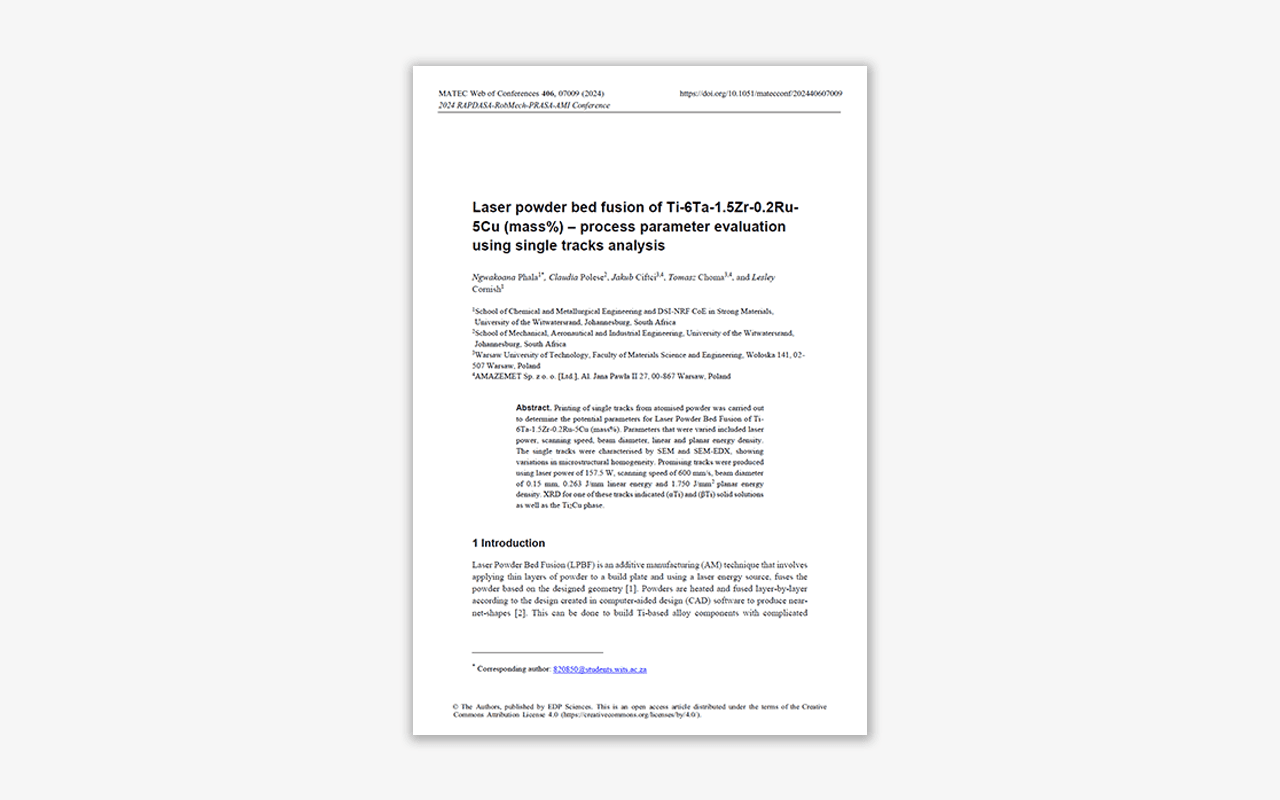
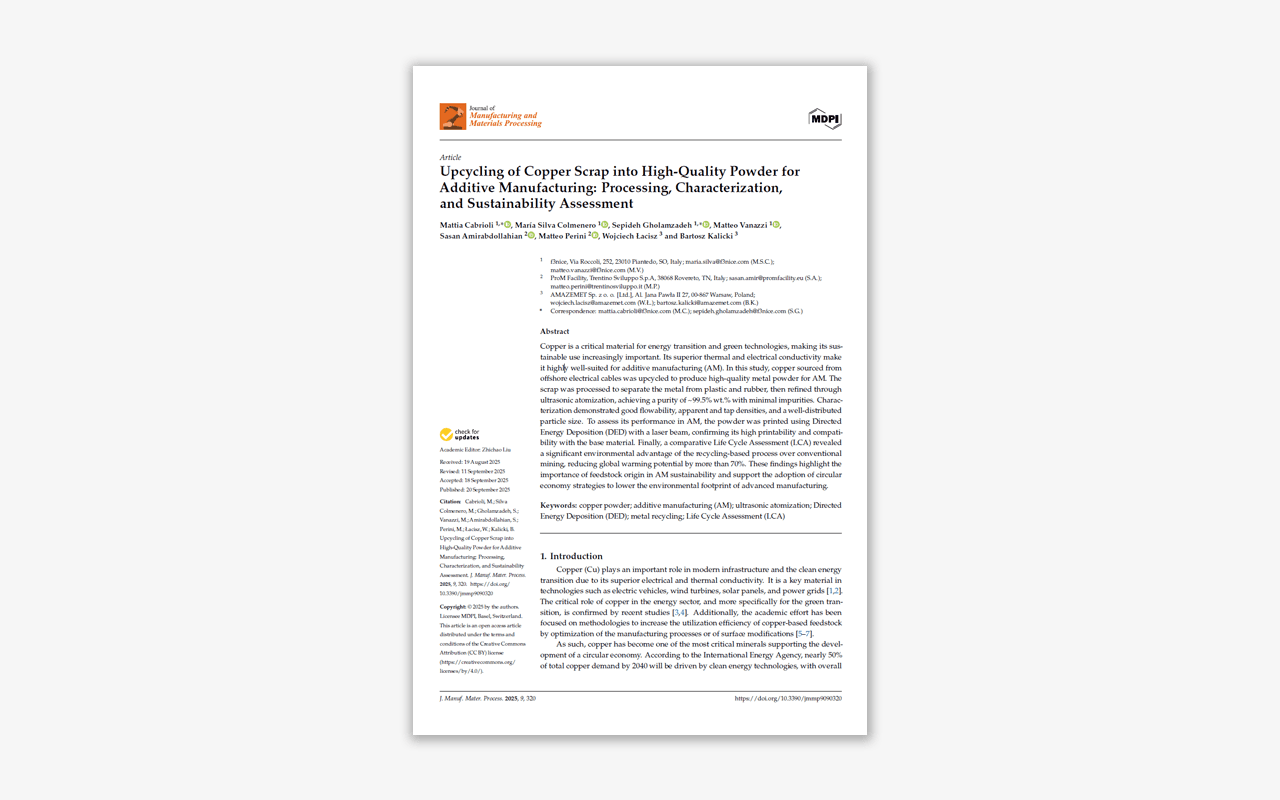
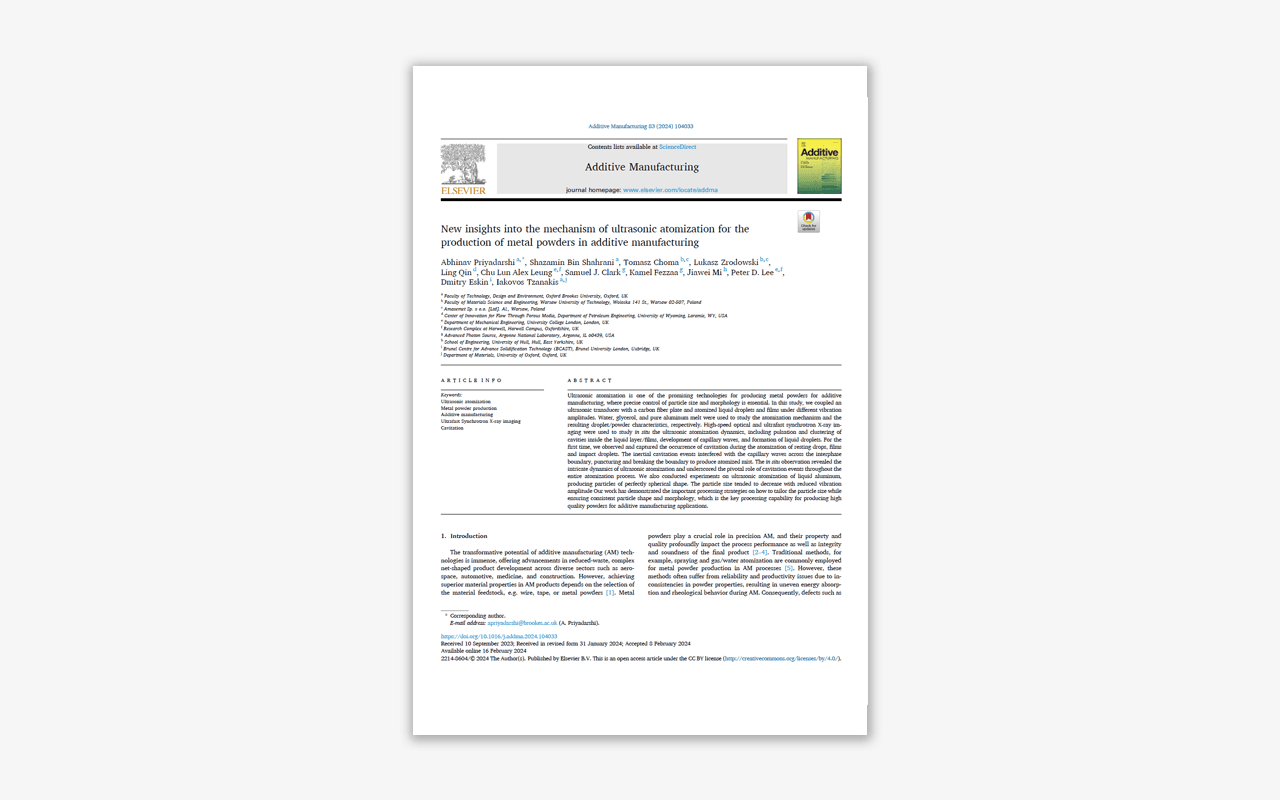
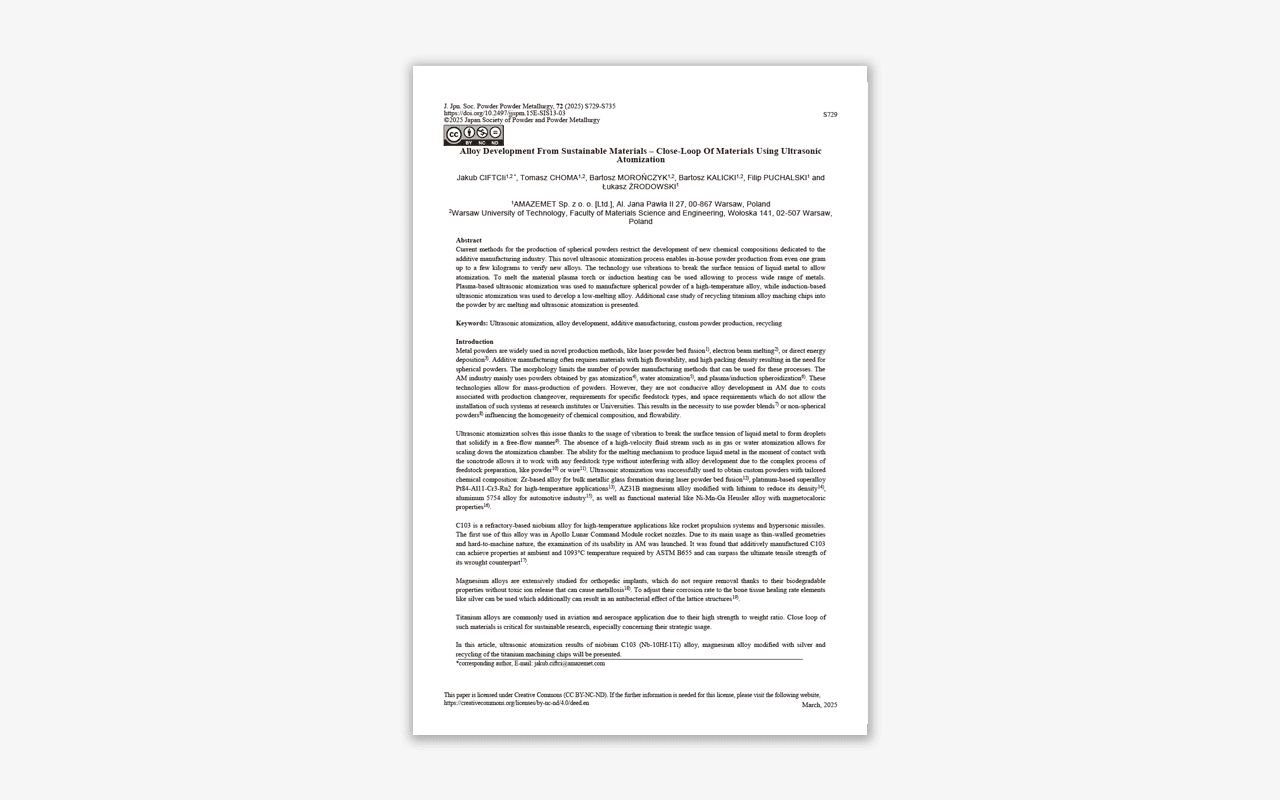
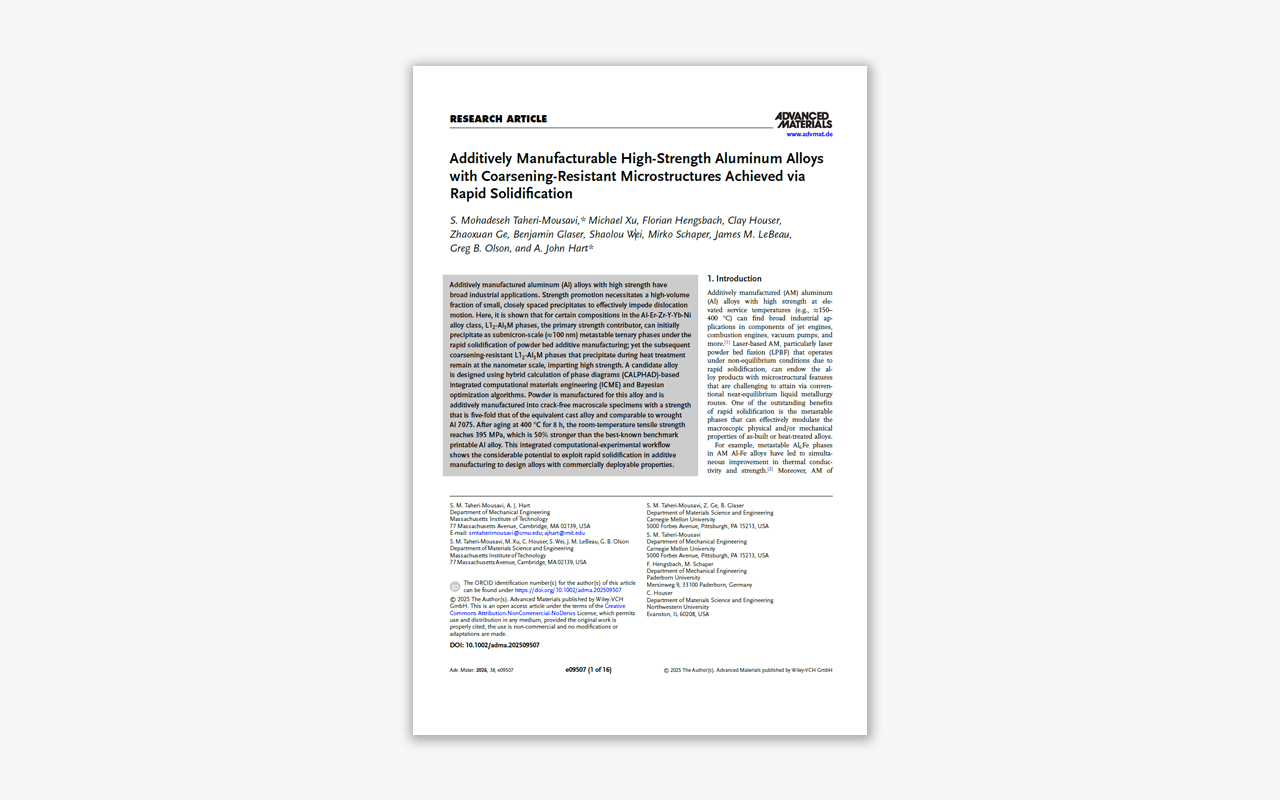
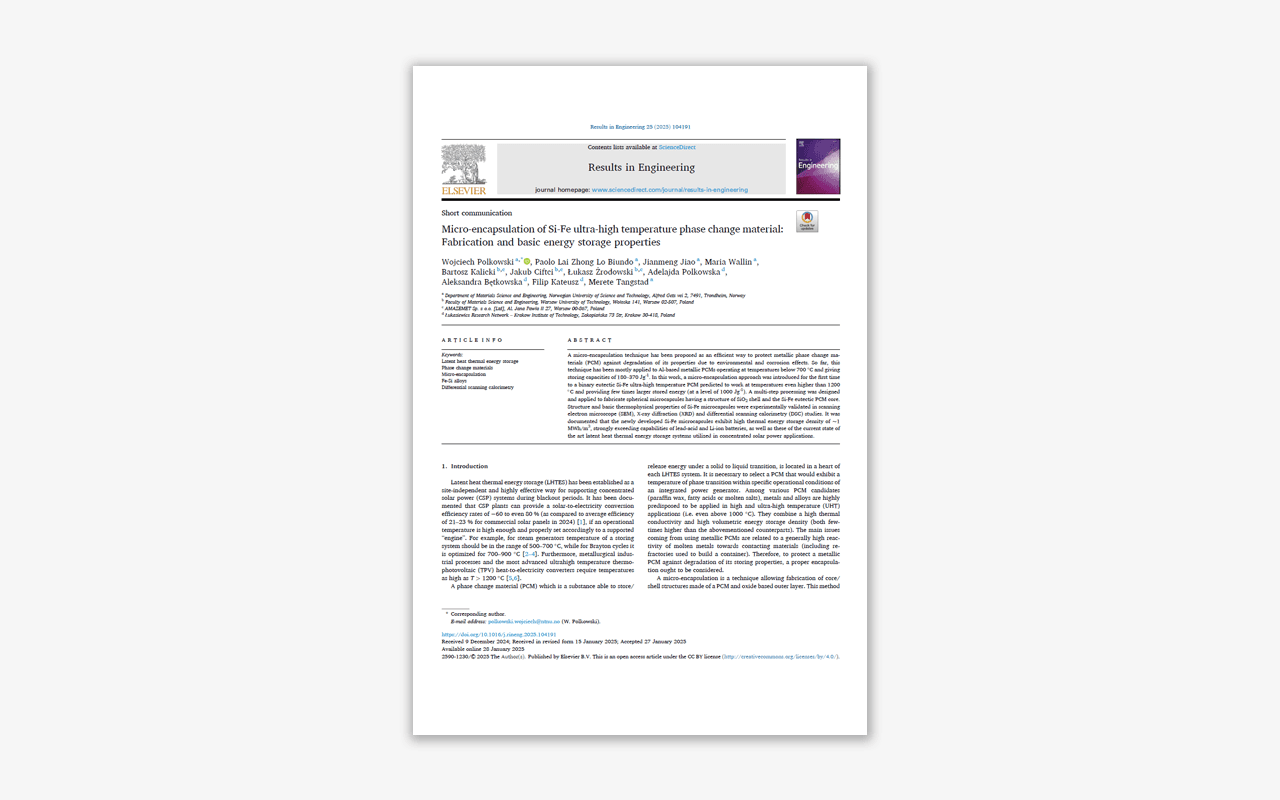
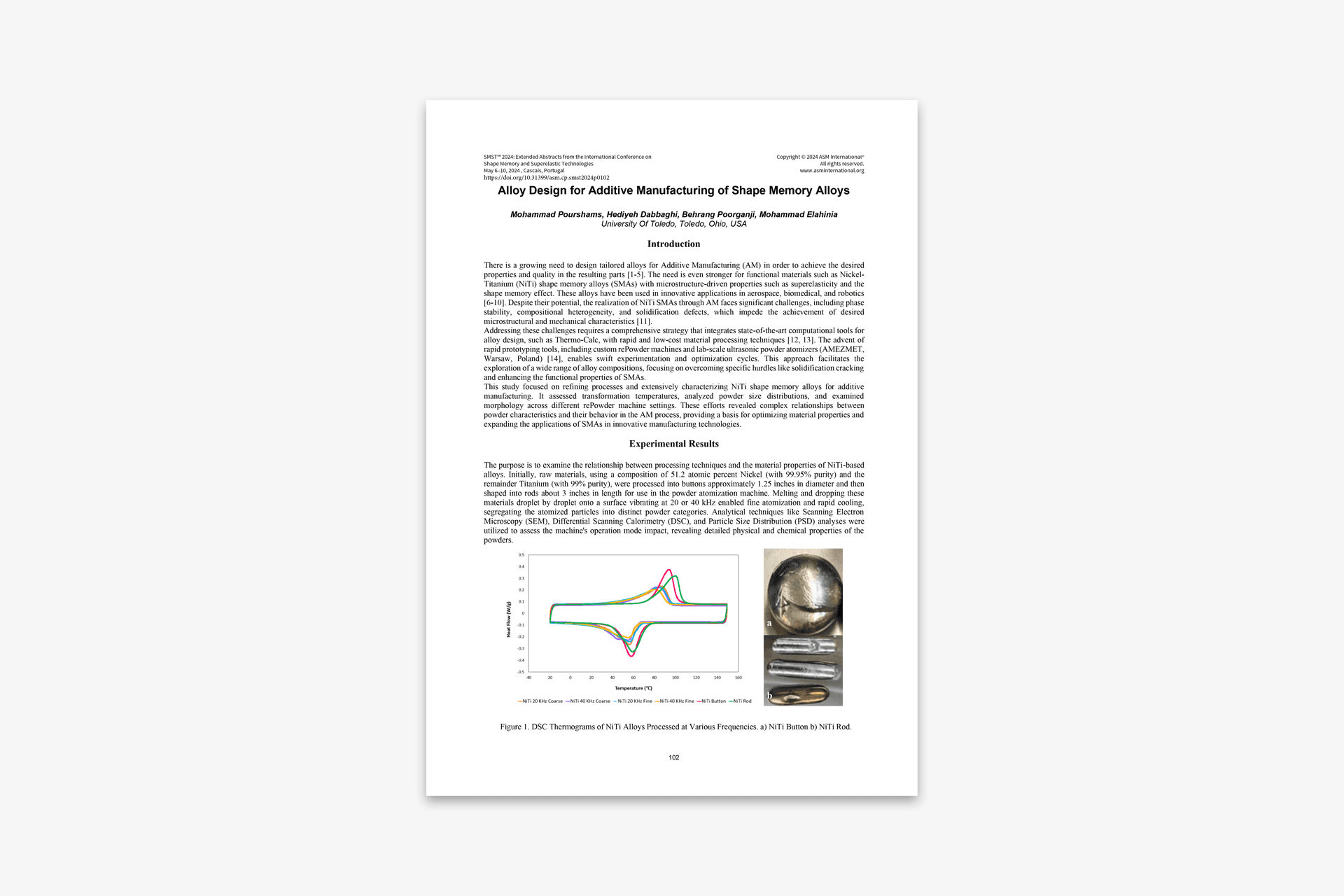
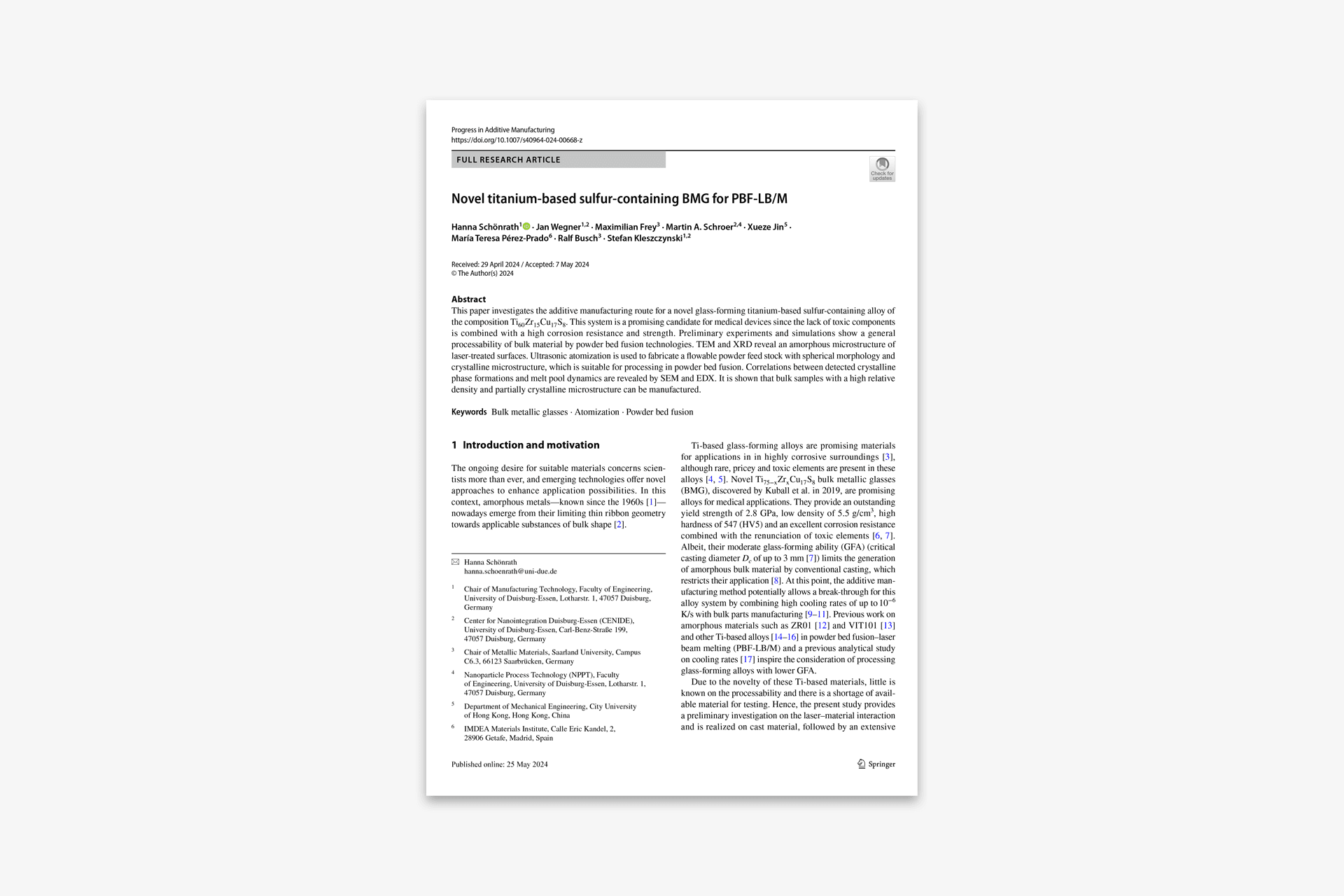
Authors: Hanna Schönrath, Jan Wegner, Maximilian Frey, Martin A. Schroer, Xueze Jin, María Teresa Pérez-Prado, Ralf Busch & Stefan Kleszczynski
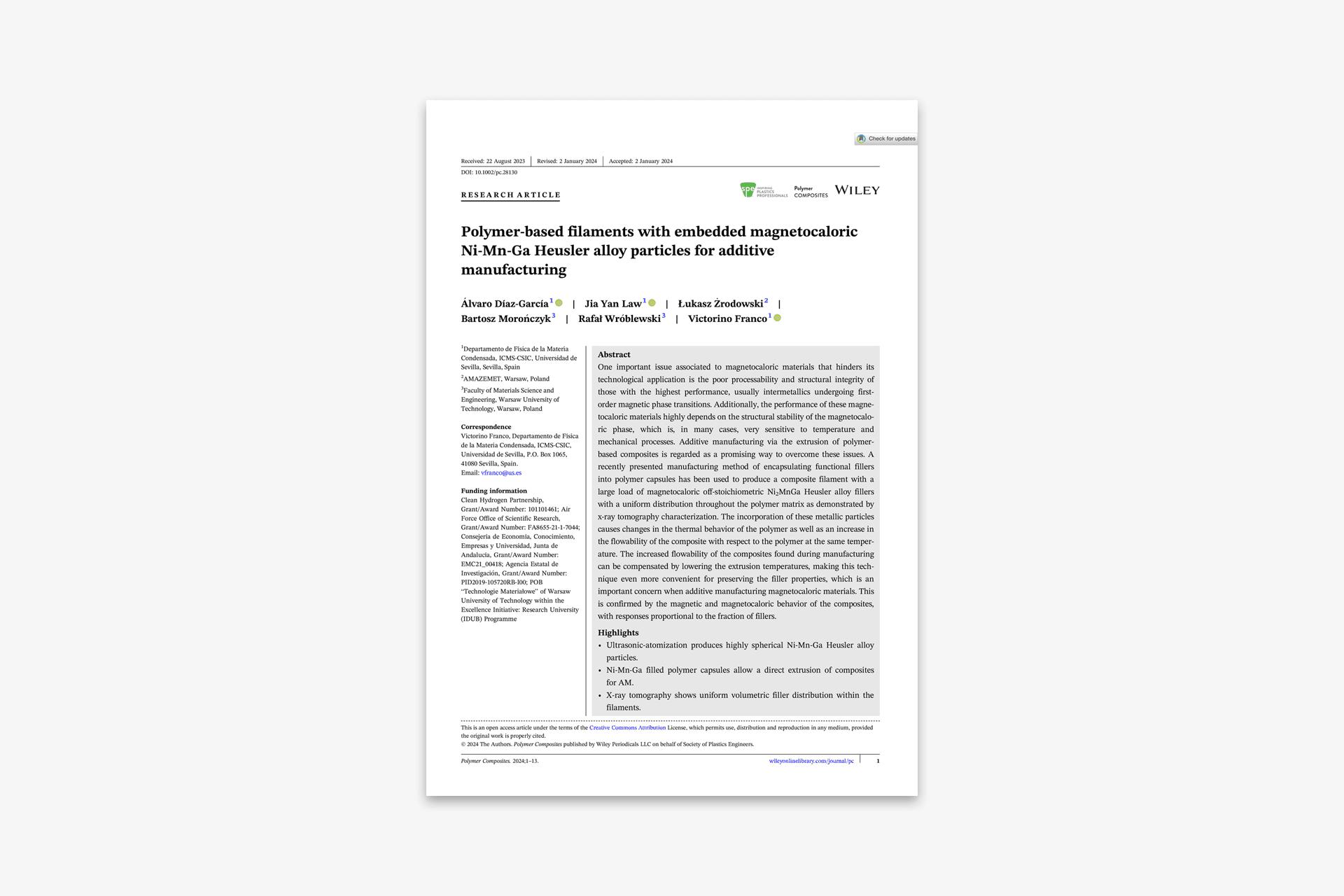
Authors: Álvaro Díaz-García, Jia Yan Law, Łukasz Żrodowski, Bartosz Morończyk, Rafał Wróblewski, Victorino Franco
OUR CUSTOMERS
Trusted by Innovators Worldwide
AMAZEMET is proud to collaborate with a diverse range of clients who trust our cutting-edge solutions to advance their projects. rePOWDER is currently being used to atomize novel powder compositions in:










Looking for high-quality SPS powders?
Reach out to our AMAZEMET application engineers by using the contact form or our powder order form. Let us supply you with the perfect feedstock solutions to accelerate your research and industrial applications.
01
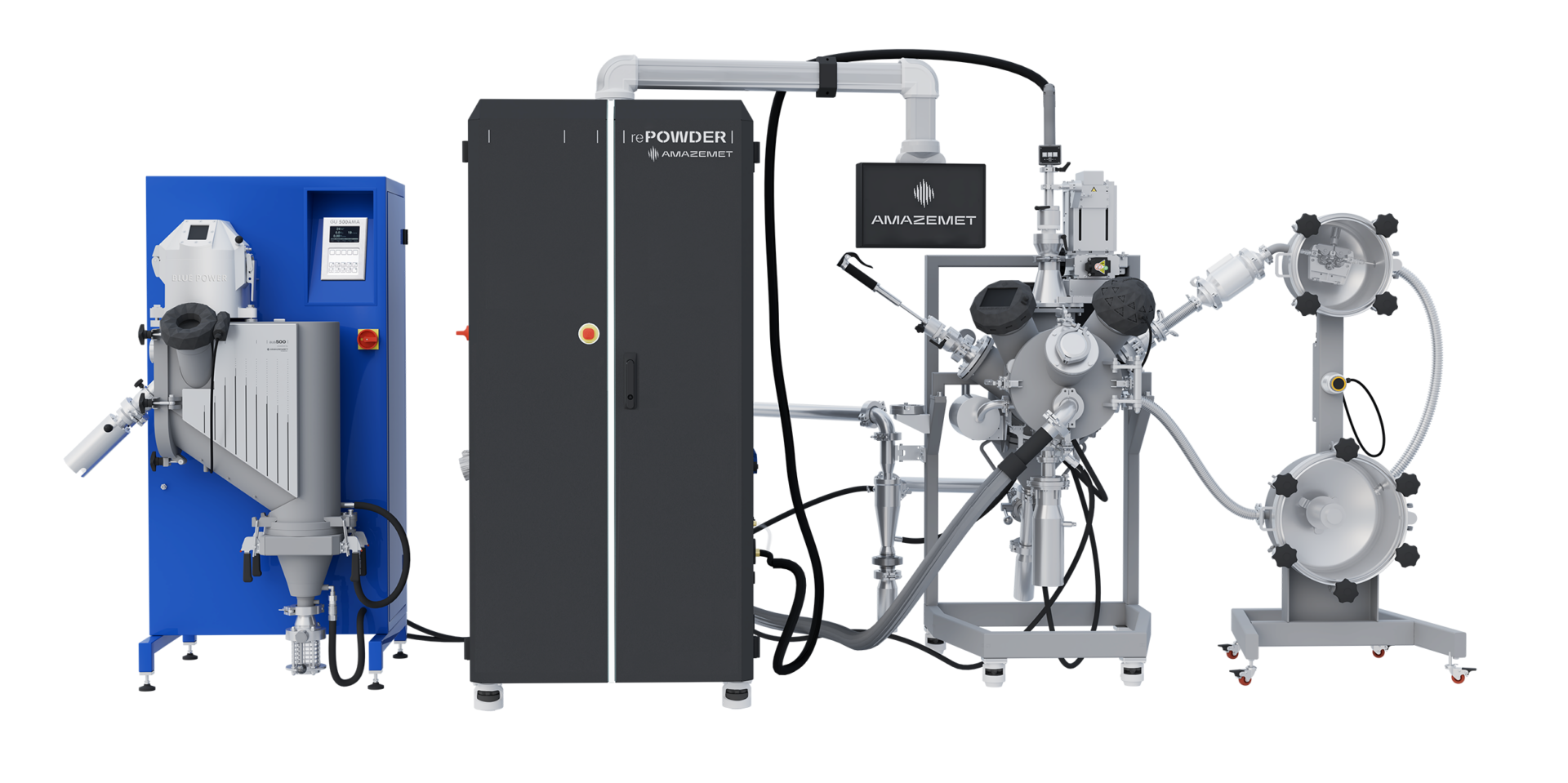
Let’s talk about closing the loop in your manufacturing process with our metal research multitool – rePOWDER.
02
Let’s develop the perfect powder for your SPS process – reach out to our experts, by request a quote for your powder requirements.




