

INTRODUCTION
Directed Energy Deposition
Directed Energy Deposition (DED) is a cutting-edge additive manufacturing (AM) technique that selectively fuses material by focusing a high-energy beam—often a laser or electron beam—onto metal powder or wire feedstock. Originally introduced in the early 2000s, DED and its variants, such as Laser Metal Deposition (LMD) or Direct Metal Deposition (DMD), are offered by key industry players including BeAM (AddUp), DMG Mori, Optomec, Trumpf, Ponticon and DM3D. DED stands out for its versatility in building entirely new parts, repairing worn or damaged components, and performing cladding operations.
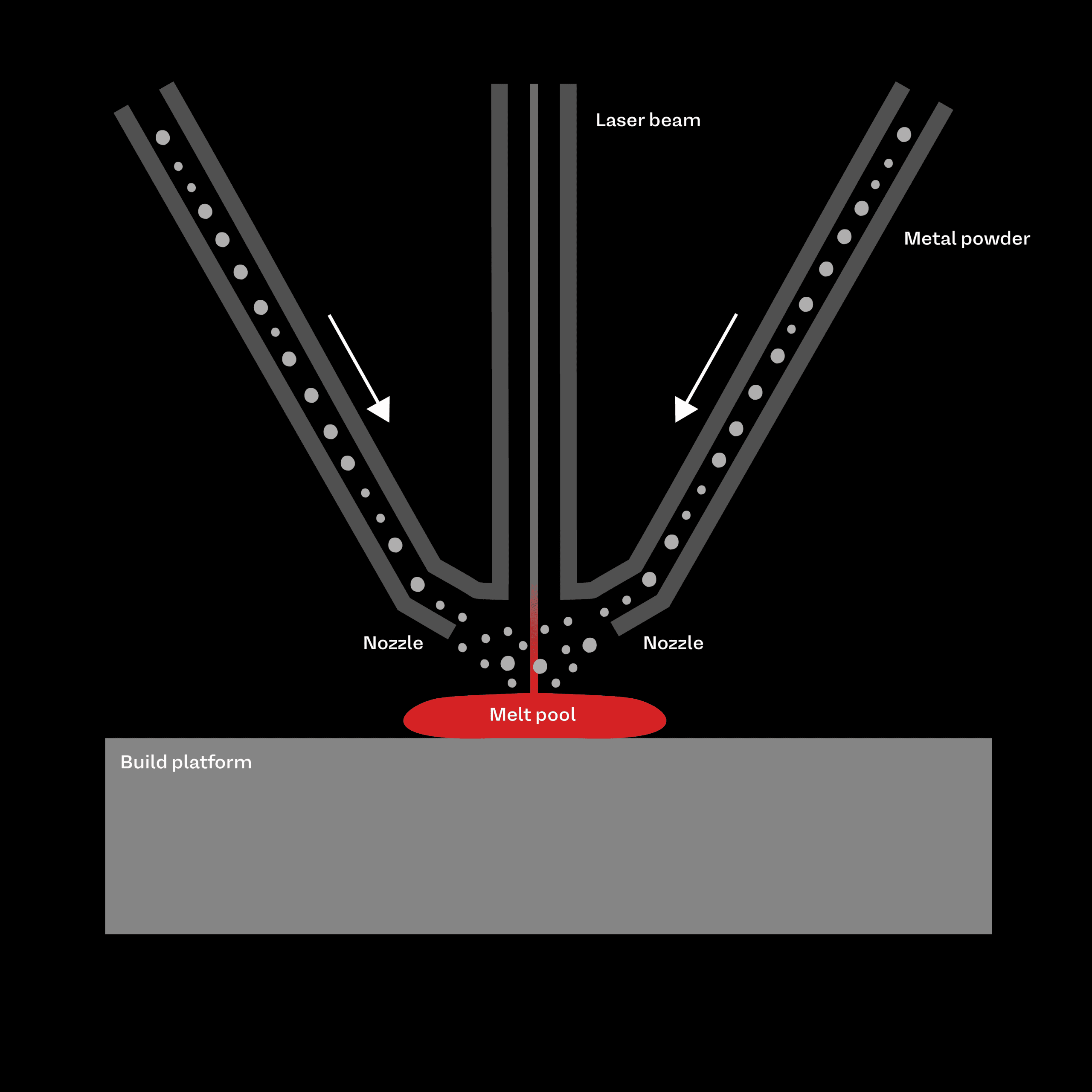
How the DED process works
The DED process typically uses a high-powered energy source (e.g., a laser in the 500–8000 W range) aimed at a coaxial or side-fed stream of metallic powder or wire feedstock. The focused beam melts the material upon contact with the substrate or previously deposited layer. By moving the energy source and powder feed mechanism in sync—often with multi-axis motion control—the system deposits metal in a precise pattern.
Powder or wire delivery involves feeding powder through nozzles, often using argon or another inert carrier gas to minimize oxidation, while wire-based systems continuously supply metal wire into the melt pool. A fiber laser or electron beam provides the necessary heat to create a melt pool on the substrate's surface. The laser or electron beam then scans along a programmed toolpath, melting and fusing the material layer by layer. Rapid cooling rates in DED yield localized thermal gradients that can influence microstructure.
This localized deposition approach allows for adding material onto existing components (e.g., turbine blade repair), creating near-net-shape parts from scratch, or applying wear- or corrosion-resistant coatings in a single setup.
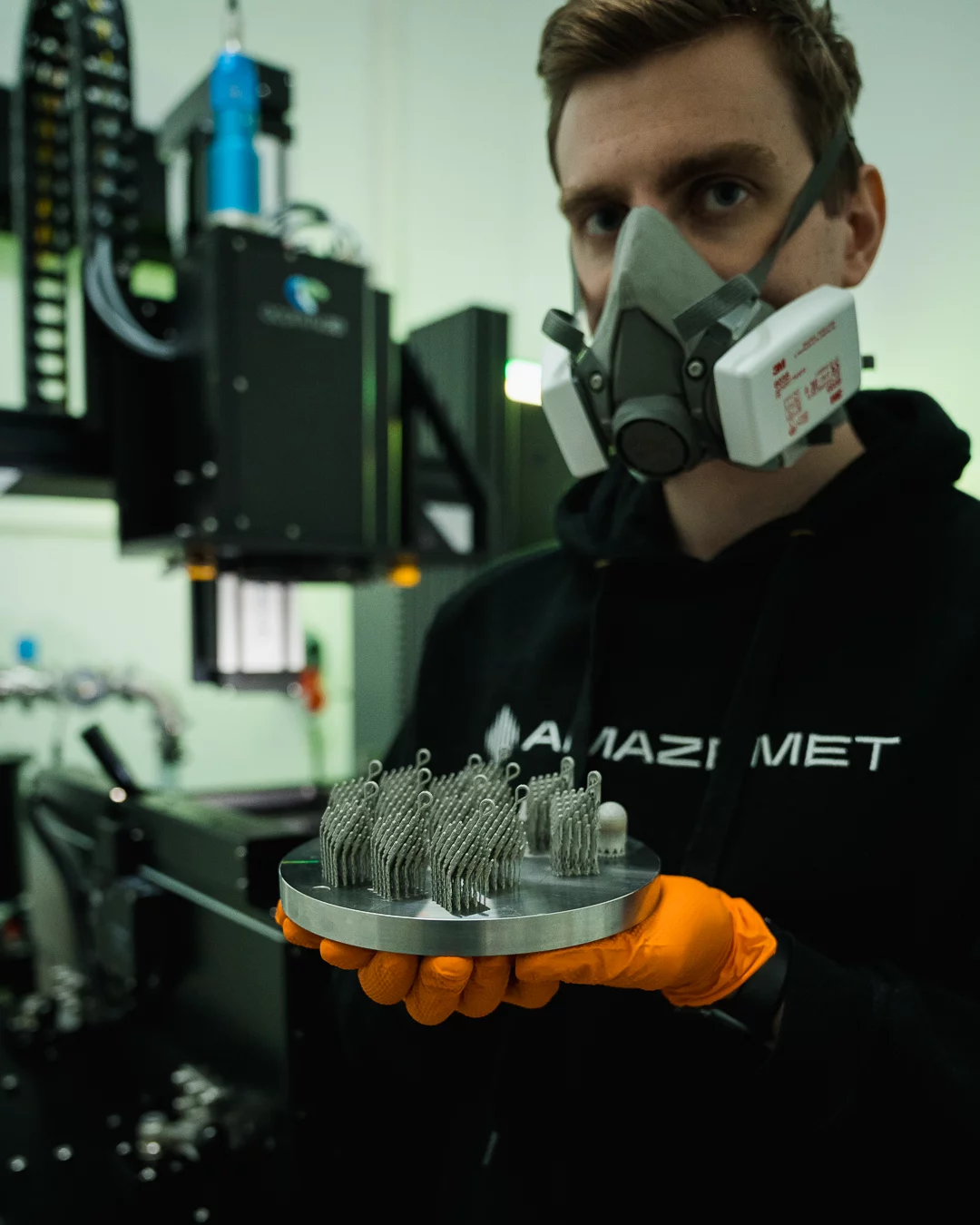
DED TECHNOLOGY
Challenges of DED technology
Despite its strengths, DED has several inherent challenges. Managing thermal stresses and ensuring dimensional accuracy can be difficult, as rapid heating and cooling lead to localized shrinkage and potential distortions. Achieving tight tolerances generally requires subsequent machining or grinding. Overspray from powder-fed systems can create material waste and complicate powder recovery. While DED is adept at depositing material on existing geometries, more intricate internal channels or thin-walled features can be harder to form than in powder bed processes. Finally, tuning process parameters—laser power, stand-off distance, deposition speed—demand careful expertise to maintain a stable melt pool and consistent microstructure.
DED
Capabilities of DED
Capabilities of DED
One of the most compelling advantages of Directed Energy Deposition is its high deposition rate, often reaching 10–40 cm³/h, depending on the system and material. This speed enables large metal part fabrication and the rapid repair of high-value components. Unlike Powder Bed Fusion, which confines builds to a set chamber volume, DED often employs multi-axis robotic arms or gantry systems for more flexible deposition. The key capabilities of DED include:
High deposition rates
Enabling the efficient production of large metal parts.
Multi-axis flexibility
Allowing deposition on curved and complex surfaces.
Repair and refurbishment
Restoring worn or damaged components to extend their lifespan.
Cladding and coatings
Applying wear– or corrosion-resistant layers for enhanced durability.
Functionally graded materials
Enabling the creation of parts with tailored material compositions.
High material utilization
Often exceeding 80%, making it more resource-efficient than subtractive methods.

METAL POWDERS
Powder requriments for DED
Powder-fed DED processes typically use particle sizes in the 45–150 µm range, enabling steady powder flow through nozzles while producing a robust melt pool. For more uniform parameter control and precise applications, narrower particle size distributions such as 45–75 µm or 45–105 µm can be utilized. High sphericity, minimal satellite particles, and low oxide content are vital to achieving consistent beam absorption and uniform deposition. Material selection in DED mirrors that of other metal AM techniques, with stainless steels and nickel-based superalloys being especially popular. However, the bulk of these materials were originally formulated for conventional manufacturing methods.
Post-processing of DED rintouts
Though DED can generate near-net-shape components, post-processing is often required. Heat treatment (HT) is common to relieve stress caused by rapid solidification. Typically, controlled atmospheres or high-vacuum are required to prevent oxidation. AMAZEMET offers high-vacuum furnaces for R&D-scale heat treatments. Surface finishing and machining are necessary since the as-deposited surface can be rough, requiring CNC machining or polishing to achieve final tolerances and part quality. Non-destructive evaluation (NDE), such as ultrasound or X-ray, is frequently employed in safety-critical industries to validate part integrity.
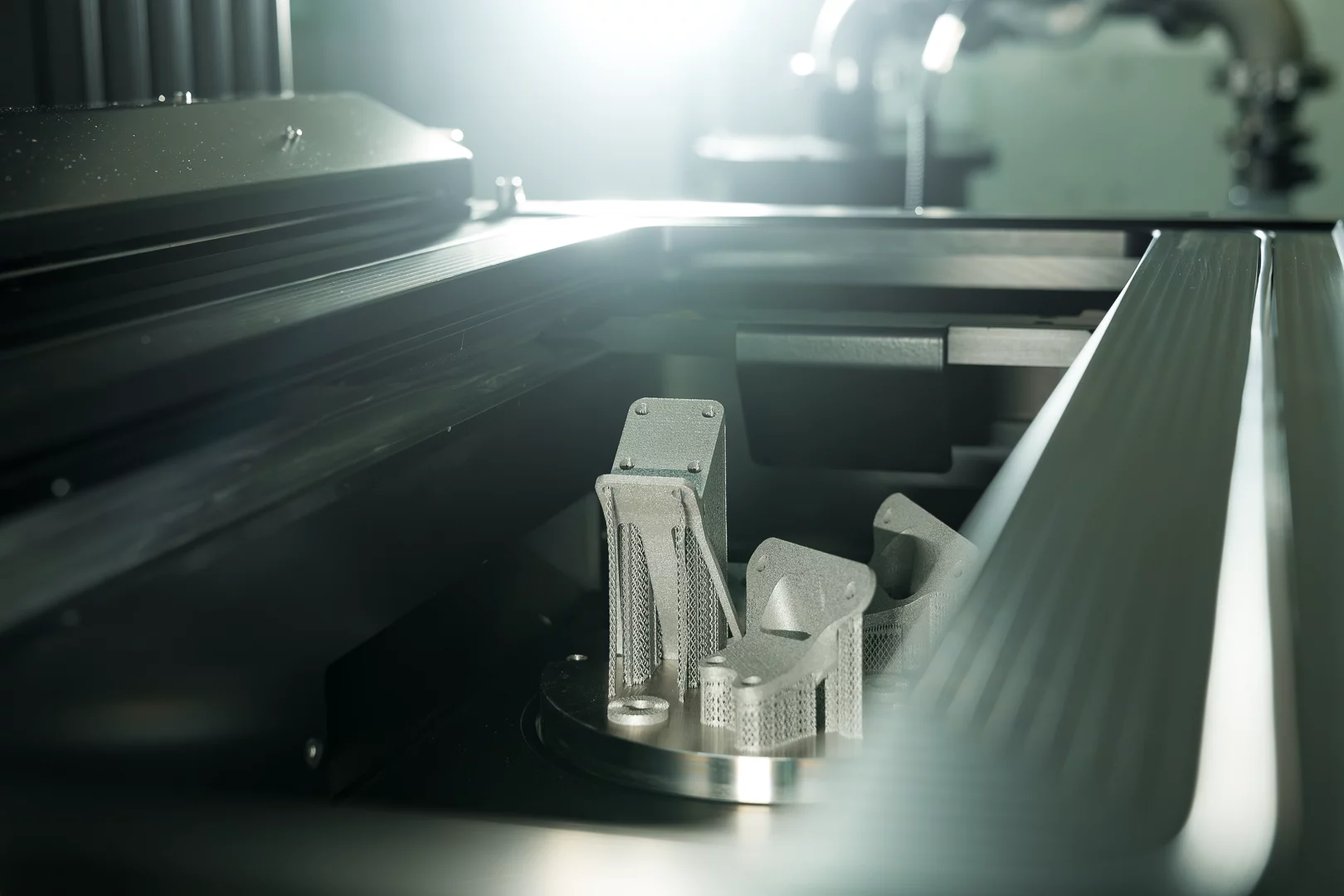
POWDERS FOR DED
Materials currently used in DED
AM, especially Laser Powder Bed Fusion, is best suited for expansive materials like Nickel superalloys – Inconel 718, Inconel 625, Hayens 282, or Titanium alloys. When using traditional manufacturing, large materials of such materials are wasted into chips for machining up to 90%. AM ensures more efficient use of materials, which can make an economic difference in these cases in favor of AM. Other popular PBF-LB/M materials include stainless steel 316L and aluminum alloy AlSi10Mg. All of the mentioned alloys have one thing in common – they were developed as materials for conventional manufacturing methods such as casting, machining, rolling, forging, and other metal-forming processes.
DED as a Solution for High-Cost Alloys
As with Laser Powder Bed Fusion, DED shines in the realm of expensive, difficult-to-machine metals like titanium or nickel superalloys, where high buy-to-fly ratios can otherwise lead to extensive waste.
The Need for Alloys Tailored to DED
Nevertheless, the majority of these alloys were designed for casting, machining, or forming. The dissimilar thermal cycles in DED can introduce challenges or yield different mechanical properties. Industry and academia alike are thus actively researching novel alloys specifically designed to harness DED’s unique thermal gradients and high solidification rates.

Ultrasonic atomization for novel DED alloys
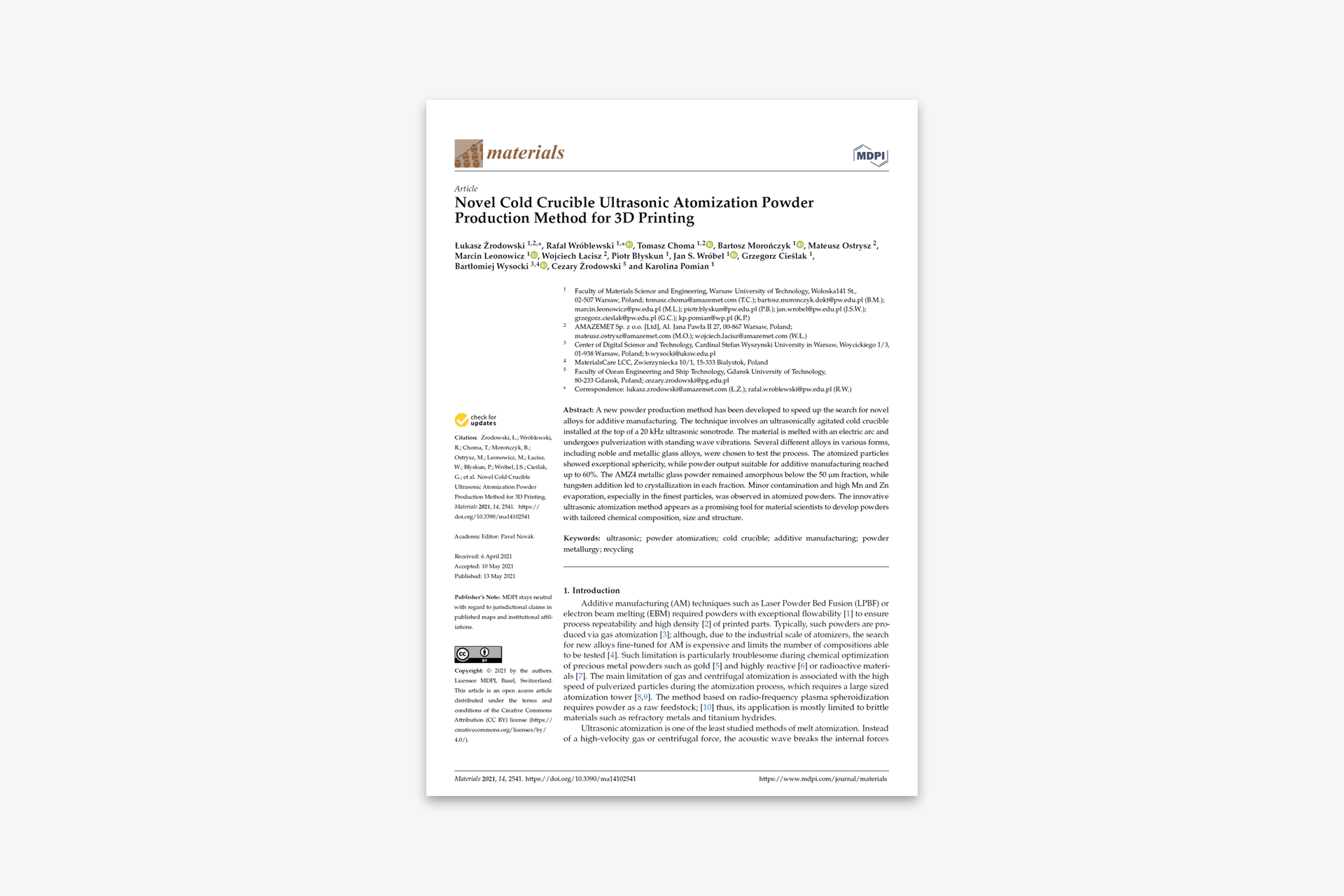
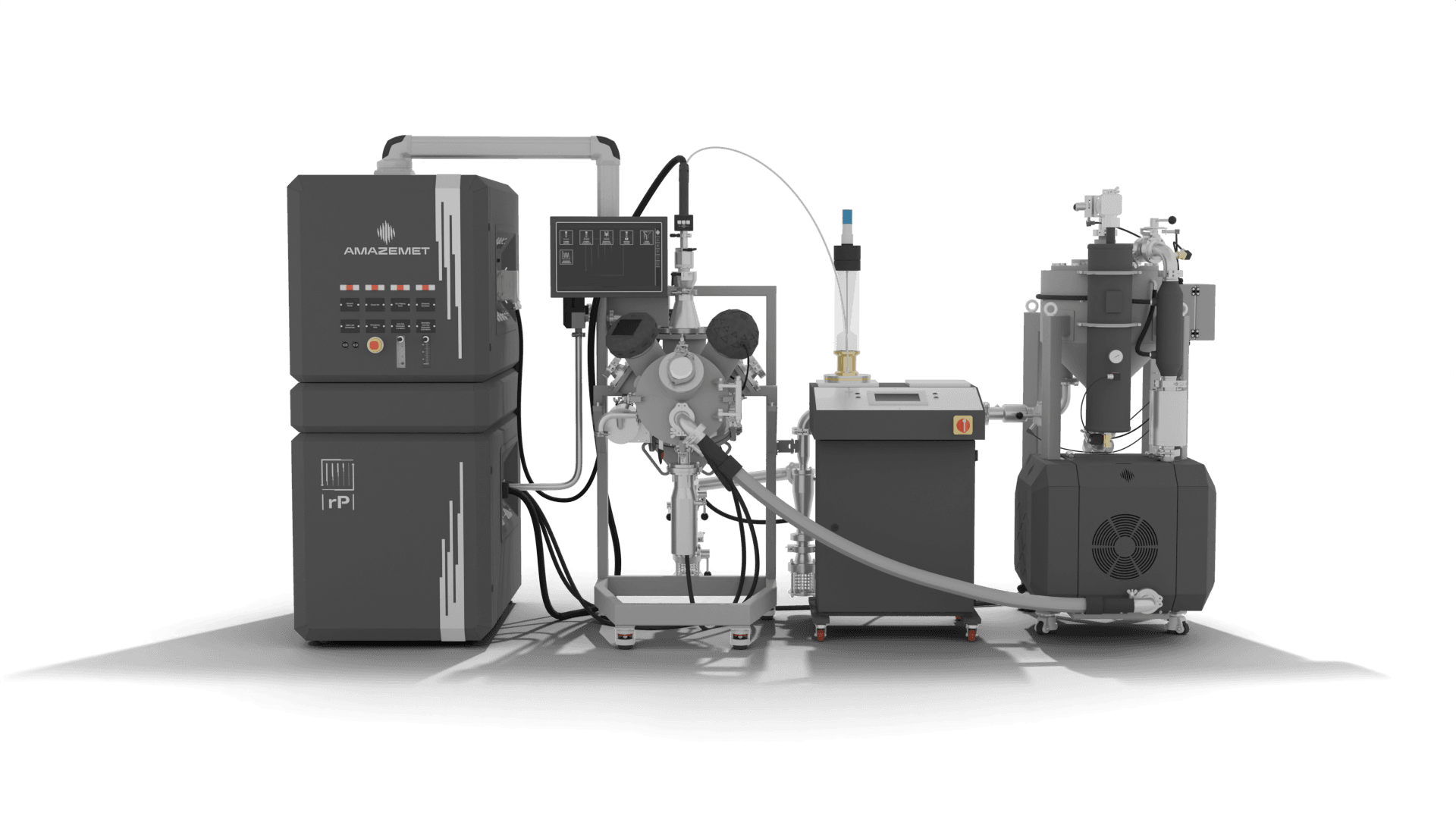
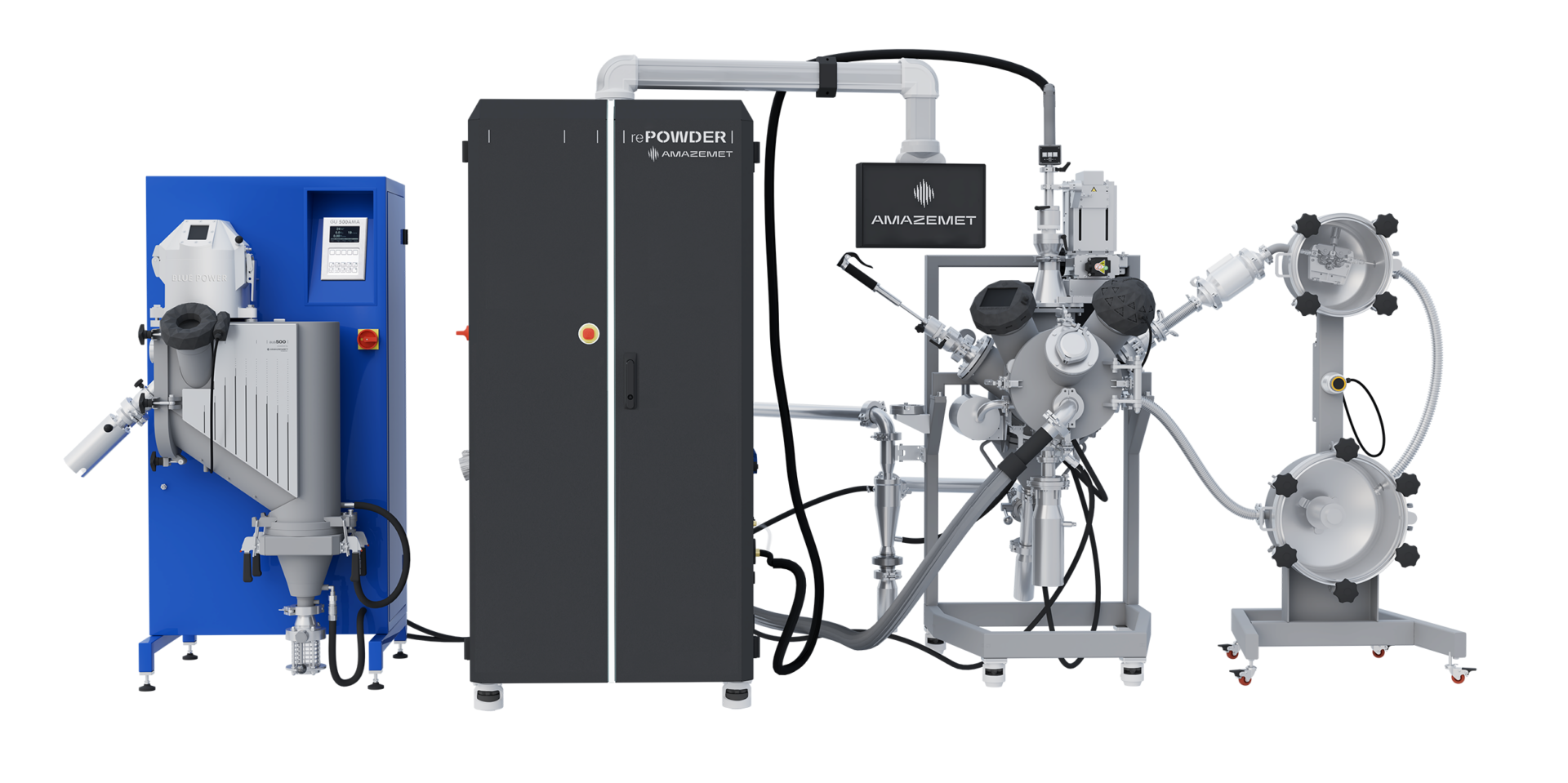
To support R&D and prototype-scale production, AMAZEMET’s rePOWDER system employs ultrasonic atomization rather than large-scale gas atomization. This lab-friendly process breaks molten metal into droplets through high-frequency ultrasonic vibrations in a controlled environment. The outcome is a powder with superior control over particle size distribution (often within the 45–150 µm window suitable for DED), minimal oxygen pickup, and a wide material portfolio spanning aluminum, steel, titanium, nickel-based alloys, and even high-entropy alloys. For teams exploring new alloy compositions or refining established ones, rePOWDER enables small-batch production of consistently high-quality feedstock without the logistics of massive gas atomizers.
Bouncing Particles
While DED improves material utilization compared to some traditional methods, it’s not entirely waste-free. Overspray and particles not hitting the melt pool can lead to deposition rates as low as 50%. Degradation can occur for those powders, and reusing partially used or out-of-spec powders requires quality checks and reconditioning to maintain feedstock integrity.
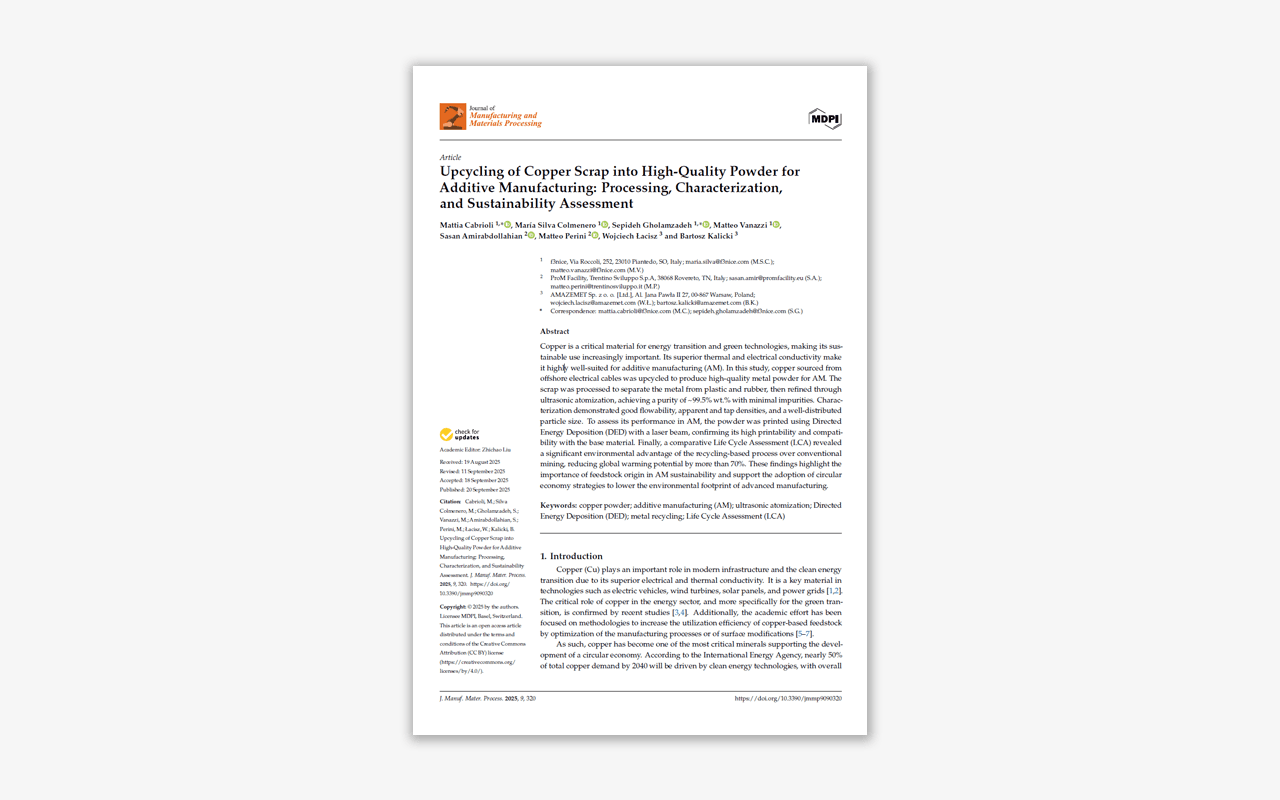
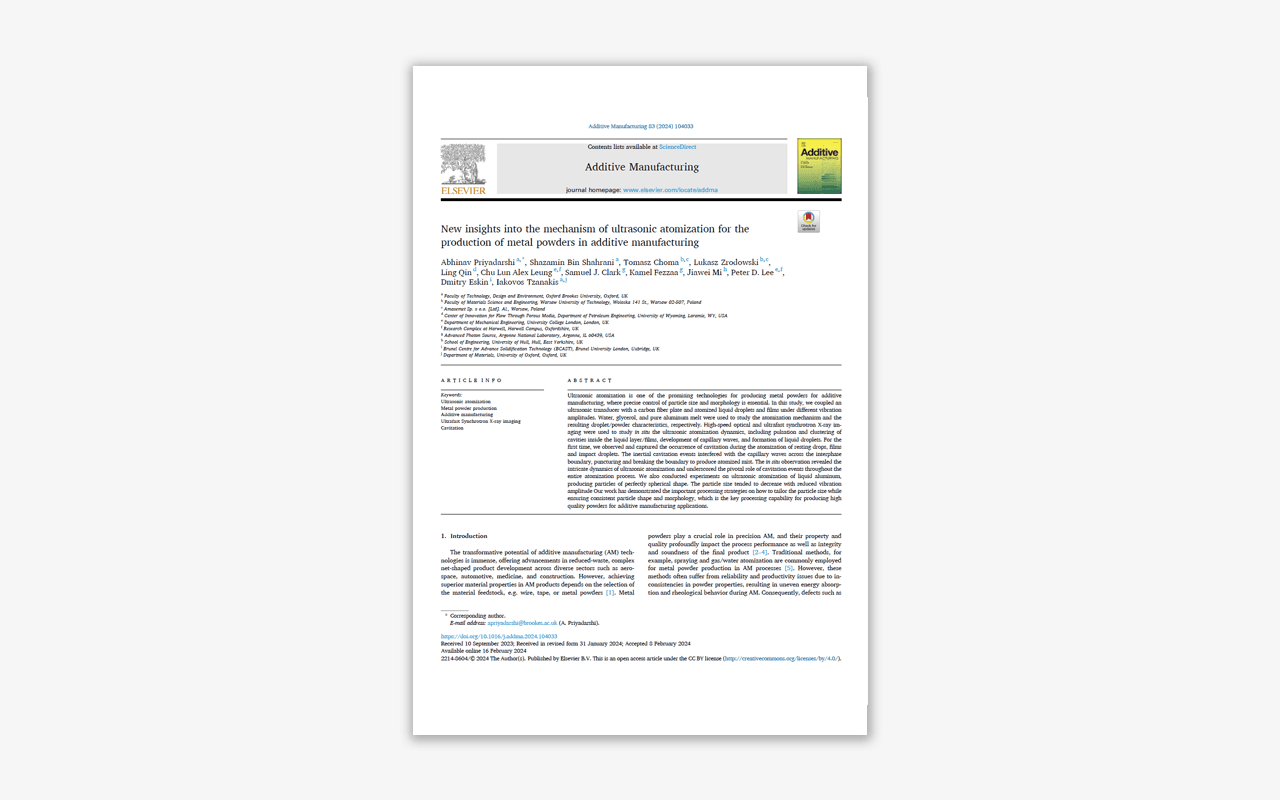
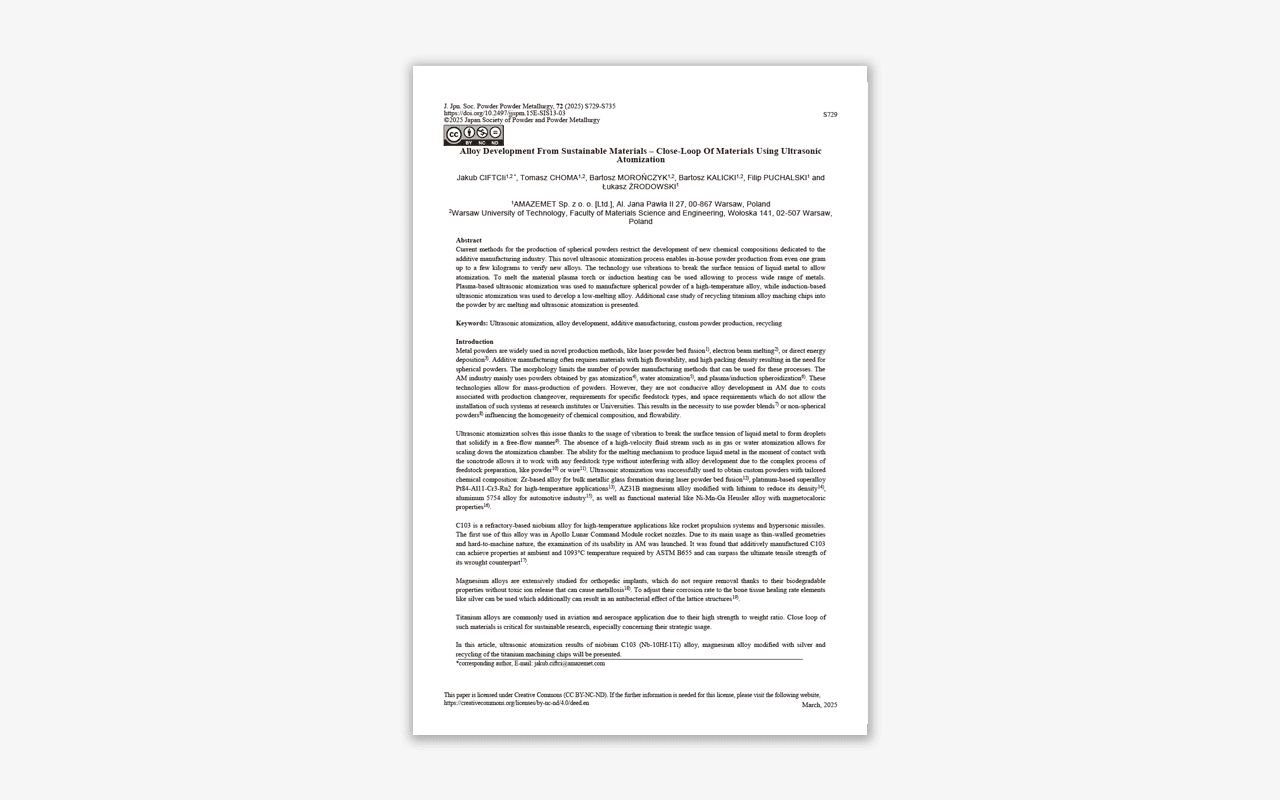
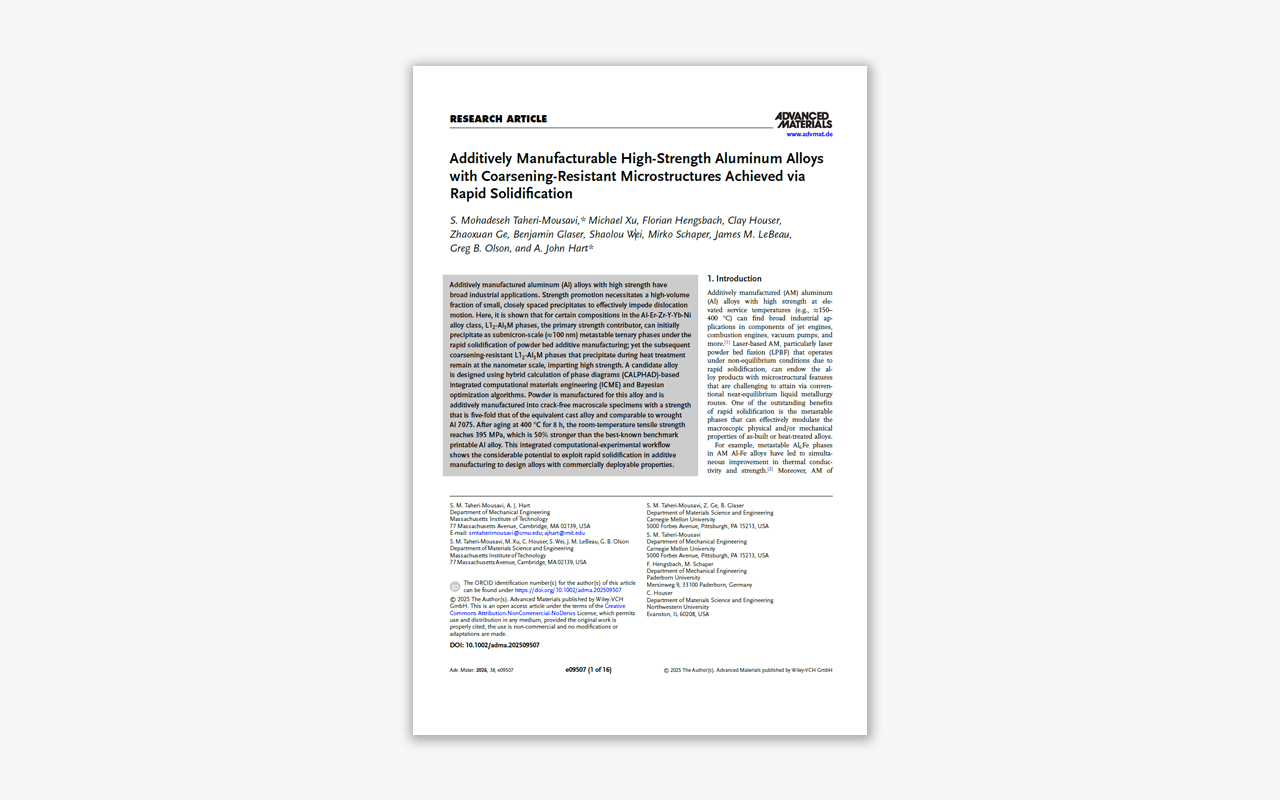
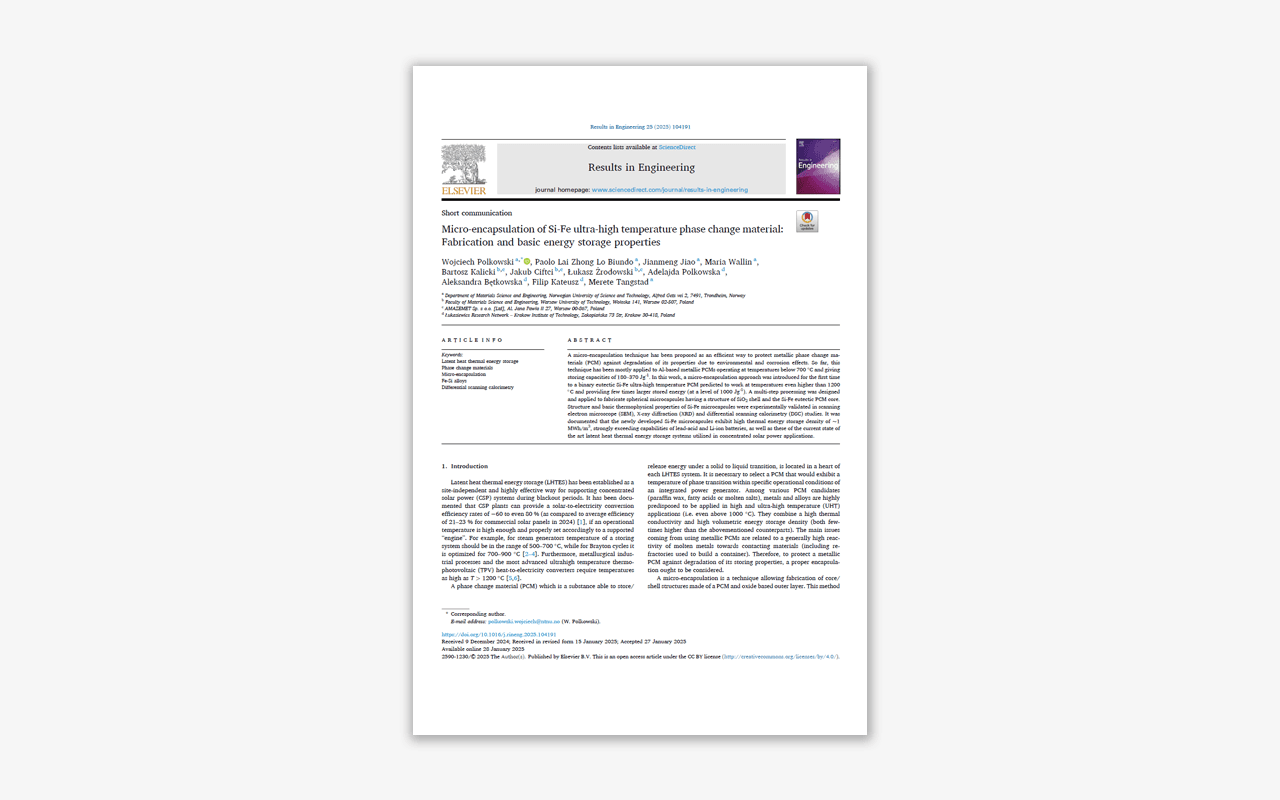
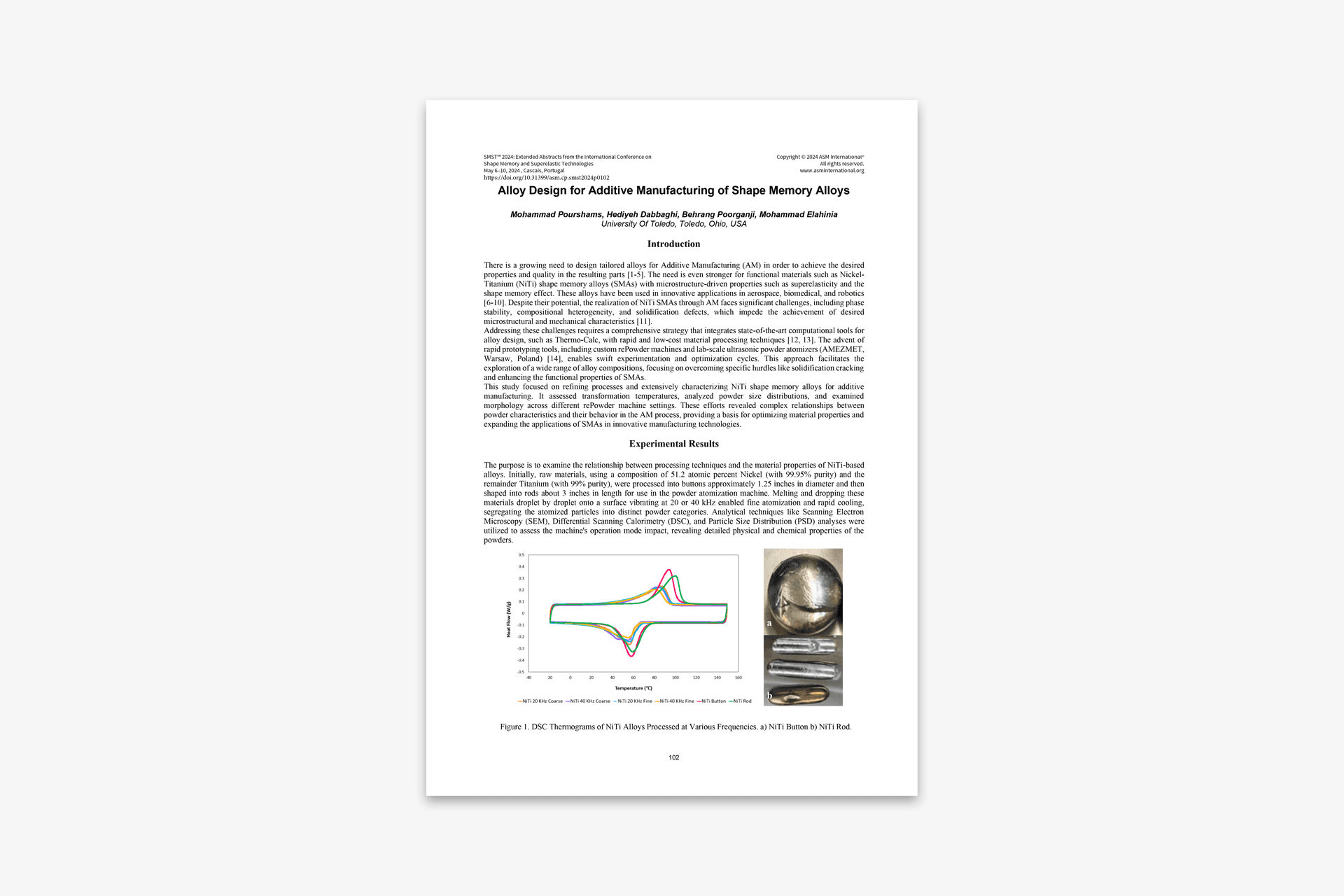
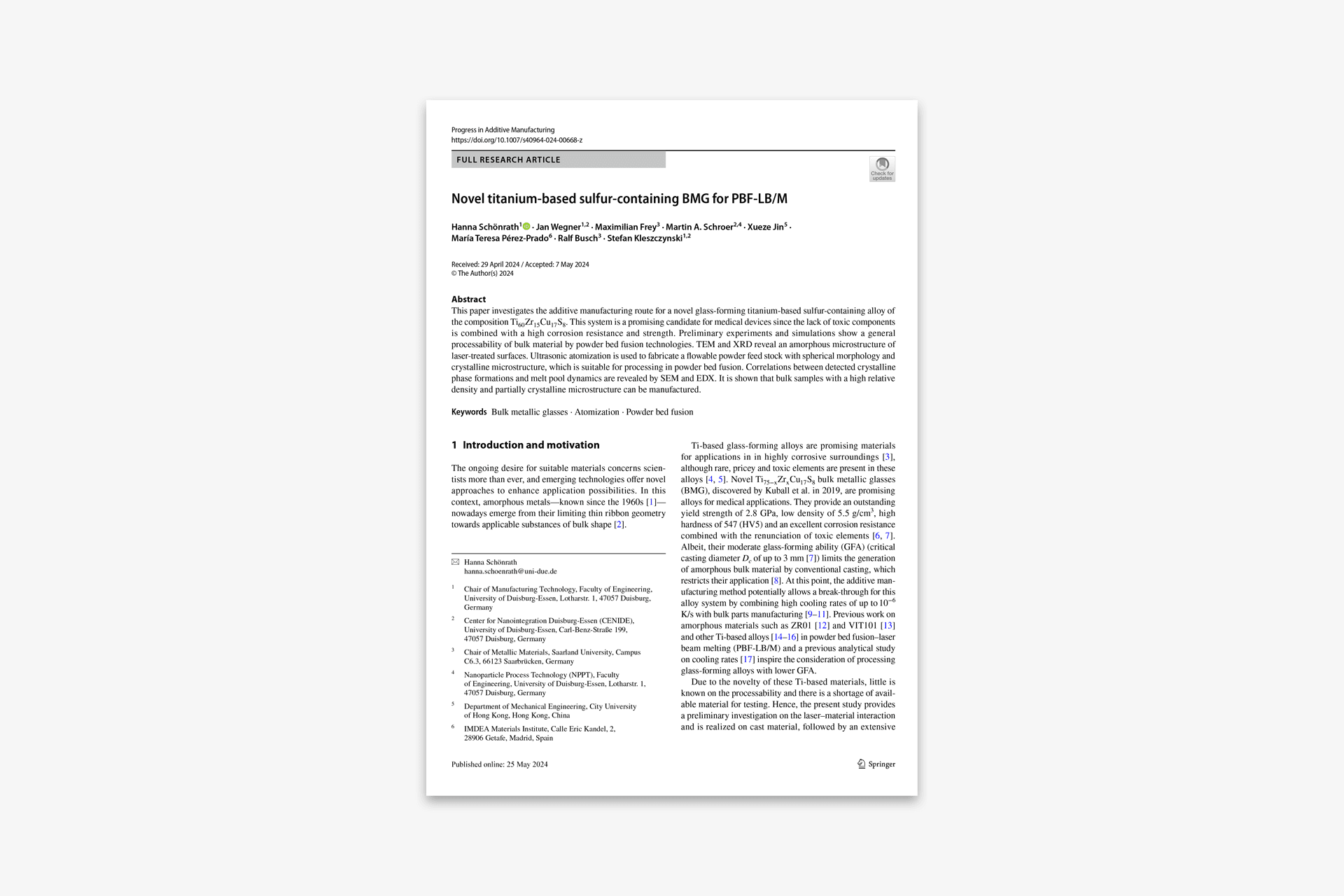
Authors: Hanna Schönrath, Jan Wegner, Maximilian Frey, Martin A. Schroer, Xueze Jin, María Teresa Pérez-Prado, Ralf Busch & Stefan Kleszczynski
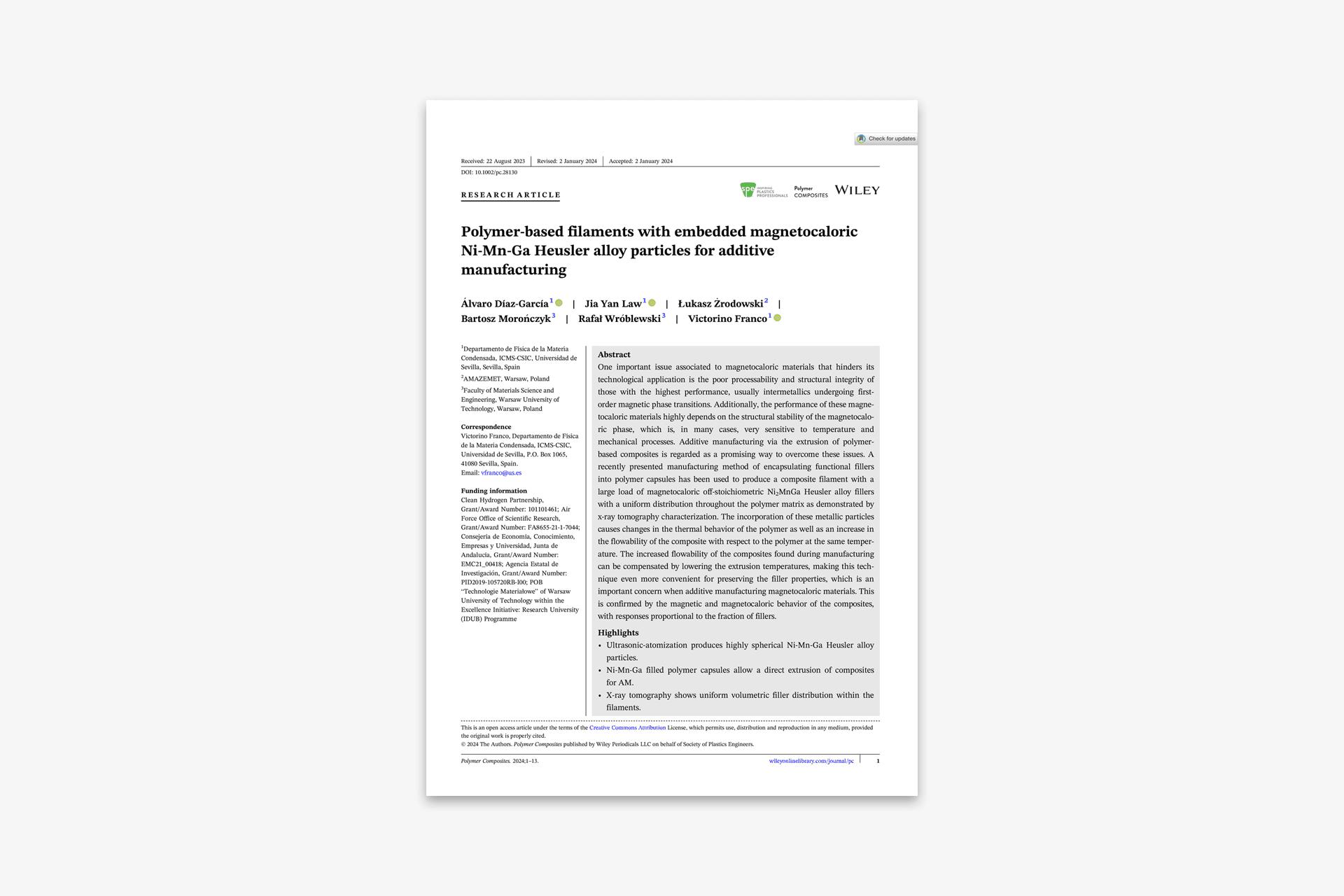
Authors: Álvaro Díaz-García, Jia Yan Law, Łukasz Żrodowski, Bartosz Morończyk, Rafał Wróblewski, Victorino Franco
OUR CUSTOMERS
Trusted by Innovators Worldwide
AMAZEMET is proud to collaborate with a diverse range of clients who trust our cutting-edge solutions to advance their projects. rePOWDER is currently being used to atomize novel powder compositions in:







POWDER2POWDER
MAKING DED MORE SUSTAINABLE
AMAZEMET’s Powder2Powder (P2P) solution addresses sustainability by recycling feedstock from DED processes. Rather than discarding leftover or degraded powder, P2P reconditions it via plasma treatment followed by ultrasonic atomization.
Powder2Powder Technology
The result is a highly spherical, flowable powder with a controlled size distribution. This process helps extend the powder lifecycle by restoring it to near-original specs, minimizing waste by preventing expensive alloys from going to landfills, maintaining consistent powder flow crucial for high-quality DED, and enabling custom alloy blending during reconditioning.
READY FOR THE NEXT STEP IN DED?
Contact Our Experts: Let us help you develop novel alloys, recondition powders, and optimize your Directed Energy Deposition processes for research or production.
01
Let’s talk about closing the loop in your manufacturing process with our metal research multitool – rePOWDER.
02
Let’s develop the perfect powder for your DED process – reach out to our experts, by request a quote for your powder requirements.




