

Freedom in Metal AM Develompent & Production
Automotive: Advancing Materials for High-Performance Vehicles
As the automotive industry advances to meet the growing demand for fuel efficiency, lightweight structures, and improved durability, the role of advanced materials has become increasingly important. Innovations like ultrasonic atomization, high-vacuum heat treatment, and powder metallurgy are enabling the development of next-generation materials that enhance performance while supporting sustainability goals.
AUTOMOTIVE
Key Challenges in Automotive Materials
Addressing the key challenges in automotive materials involves developing solutions that ensure high-temperature resistance, efficient thermal management, and lightweight durability to meet the evolving demands of performance and sustainability.
High-Temperature Resistance for Engine Components
Automotive engines require materials that withstand extreme temperatures and mechanical stress while maintaining oxidation and corrosion resistance.
Efficient Thermal Management in Heat Exchangers
Cooling systems and heat exchangers must be designed with high-conductivity materials that enhance thermal efficiency without increasing vehicle weight.
Lightweight and Durable Structural Components
The industry demands materials that reduce weight while maintaining structural integrity to improve fuel efficiency and electric vehicle range.

CHOOSE YOUR COMPOSITION
Advanced Material Solutions for Automotive Applications
By utilizing innovative alloys and composites, the automotive industry is achieving enhanced engine performance, superior thermal management, and reduced vehicle weight. Ultrasonically atomized materials and optimized alloy compositions are driving improvements in efficiency, durability, and sustainability.
01
Nickel-Based Superalloys for High-Performance Engines
Nickel-based superalloy powders provide superior thermal and mechanical properties for turbochargers, exhaust valves, and other high-temperature engine components, thanks to topology optimized geometries.
02
High-Performance Heat Exchanger Materials
Copper and aluminum-based alloys optimized through advanced processing methods enhance heat dissipation and thermal efficiency in automotive cooling systems. Alloying with silver can further improve the durability and heat conductivity.
03
Lightweight Aluminum and Magnesium Alloys
Structural components made from ultrasonically atomized aluminum and magnesium alloys offer excellent strength-to-weight ratios, reducing overall vehicle weight and enhancing energy efficiency.
04
Metal Matrix Composites (MMC) for Automotive Applications:
The development of aluminum MMCs, reinforced with ceramic particles, significantly improves wear resistance, mechanical strength, and thermal conductivity in key components.
AMAZEMET
Leading Innovation in Automotive Material Science
As a leader in advanced materials processing, AMAZEMET supports the automotive industry research by providing cutting-edge solutions for high-performance alloys, lightweight materials, and thermal management systems. Our expertise in ultrasonic atomization, high-vacuum heat treatment, and powder-based material innovations enhances the durability, efficiency, and sustainability of automotive components.

AMAZEMET
Scientific Publications and Industry Collaborations
AMAZEMET actively contributes to automotive material research, supporting innovations in lightweight structures, heat-resistant alloys, and powder-based manufacturing:
01
High-Performance High Entropy alloys for heat resistant applications
This paper explores the innovative technology of ultrasonic atomization by employing metal powder-cored wire as a filament to fabricate spherical powders. The method demonstrates a novel approach to generate uniform size distributions of spherical-shaped powders in the range of 30–60 μm, characterized by a homogeneous high-entropy composition. This technique’s significance lies in its ability to efficiently produce High Entropy Alloy (HEA) powder, marking a substantial stride toward energy-efficient routes in material fabrication. The implications extend across multiple industrial sectors, promising new way for advanced materials synthesis and manufacturing processes.
02
Magnesium-based composites
Magnesium (Mg) and its alloys offer promise for aerospace, railway, and 3D technology applications, yet their inherent limitations, including inadequate strength, pose challenges. Magnesium matrix composites, particularly with metallic reinforcements like titanium (Ti) and its alloys, present a viable solution. Therefore, this study investigates the impact of Ti6Al4V reinforcement on AZ31 magnesium alloy composites produced using pulse plasma sintering (PPS). Results show enhanced microhardness of the materials due to improved densification and microstructural refinement. However, Ti6Al4V addition decreased corrosion resistance, leading to strong microgalvanic corrosion and substrate dissolution. Understanding these effects is crucial for designing Mg-based materials for industries like petrochemicals, where degradation-resistant materials are vital for high-pressure environments. This research provides valuable insights into developing Mg-Ti6Al4V composites with tailored properties for diverse industrial applications, highlighting the importance of considering corrosion behavior in material design. Further investigation is warranted to establish predictive correlations between Ti6Al4V content and corrosion rate for optimizing composite performance.
03
Aluminum-based metal matrix composites
This research presents a comprehensive study on the production of aluminum-matrix composite (AMC) powders using ultrasonic atomization for additive manufacturing (AM). The impact of different heat sources—plasma, arc, and induction melting—was evaluated on the processability and resultant properties of the AMC powders, including morphology, size, and composite structure. Additionally, induction melting was considered in terms of process parameters such as pressure difference, nozzle size, and frequency. The analysis of AMC powder processability revealed that the efficiency of the ultrasonic process depended on the selected heat source. The highest efficiency, nearly 50%, was attained with the induction system. All produced AMC powders exhibited high sphericity, with average sizes ranging from 88.2 to 120 µm. However, the desired composite structure was not achieved under tested conditions due to the decrease in SiC particle content from 20% in the feed material to approximately 3.5% in the final AMC powder. Based on these results, the research highlights the potential and limitations of ultrasonic atomization in AMC powder production, emphasizing the need for further optimization to improve powder quality and process efficiency for broader industrial application in AM.
WHY AMAZEMET
Tailored Solutions for the Automotive Industry
AMAZEMET delivers solutions tailored to the evolving needs of the automotive industry. By leveraging ultrasonic atomization, high-vacuum heat treatment, and powder-based innovations, we enable the production of high-performance materials for engines, heat exchangers, and lightweight structural components of tomorrow. Our technologies empower manufacturers to develop durable, energy-efficient, and sustainable vehicle components, setting new standards in automotive engineering.
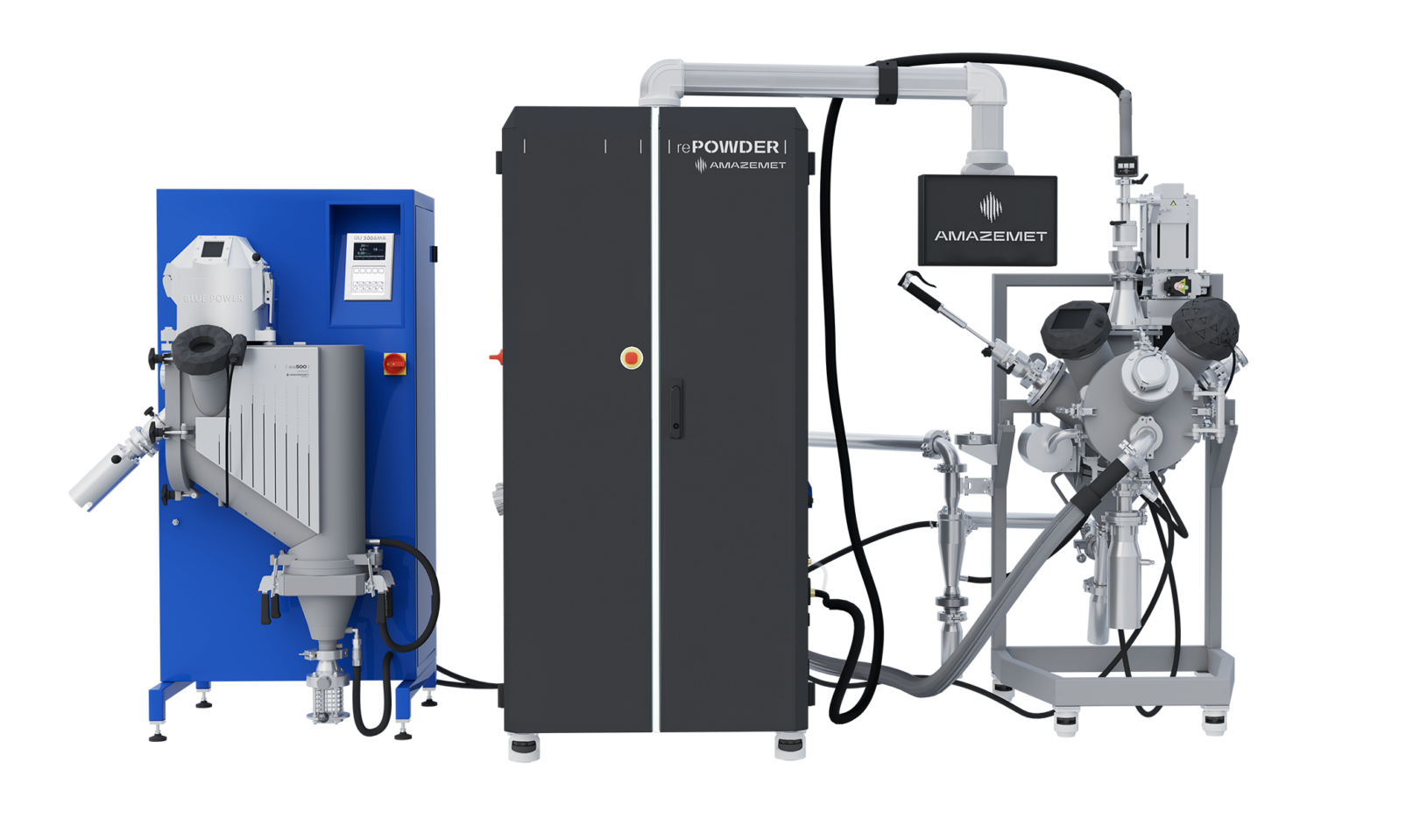
rePOWDER
Ultrasonic atomization system for producing high-quality nickel superalloys, aluminum alloys, and MMC powders optimized for automotive R&D applications.
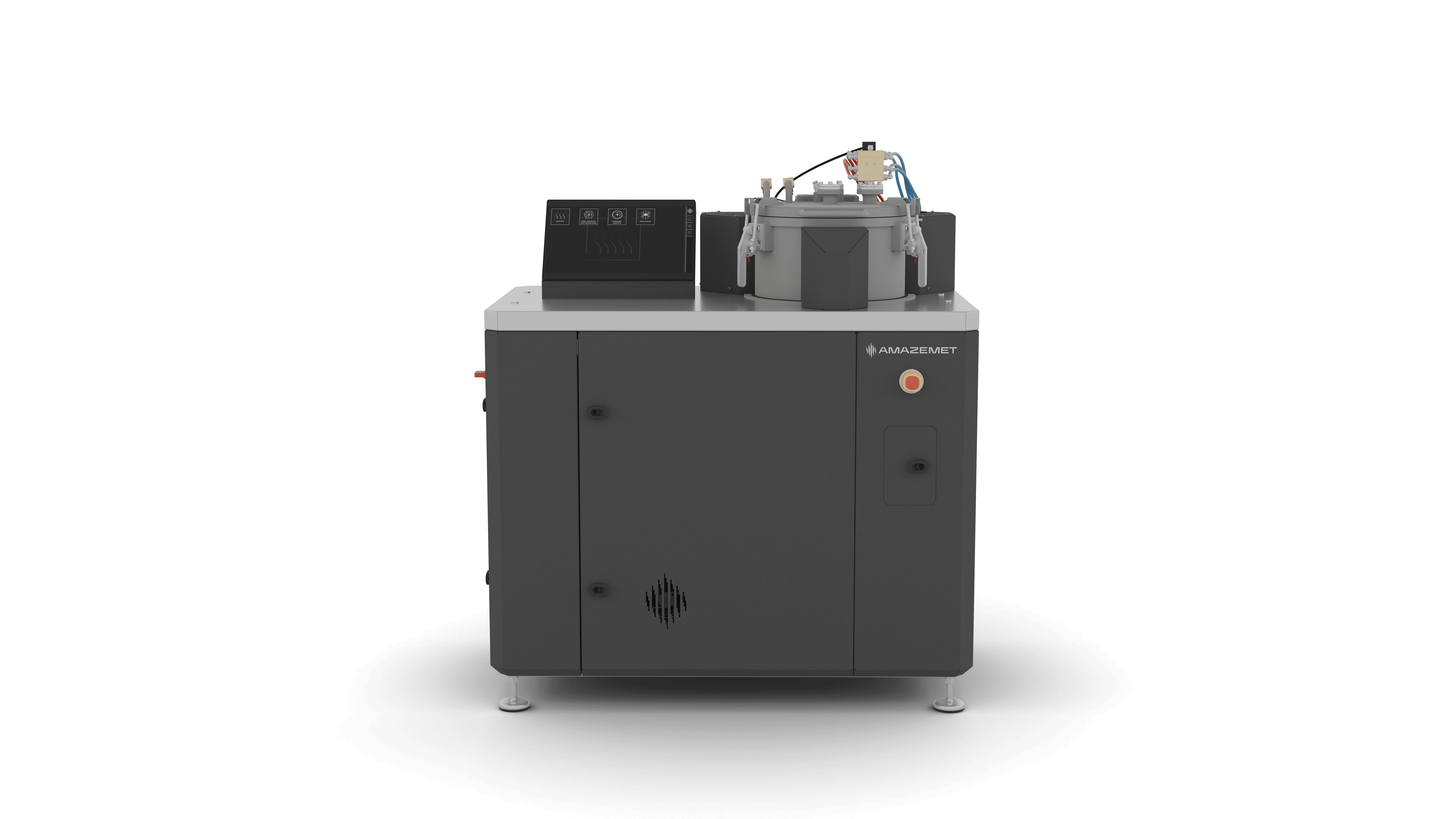
inFURNER
High-vacuum furnace ensuring precise heat treatment of automotive materials, enhancing their mechanical and thermal properties.
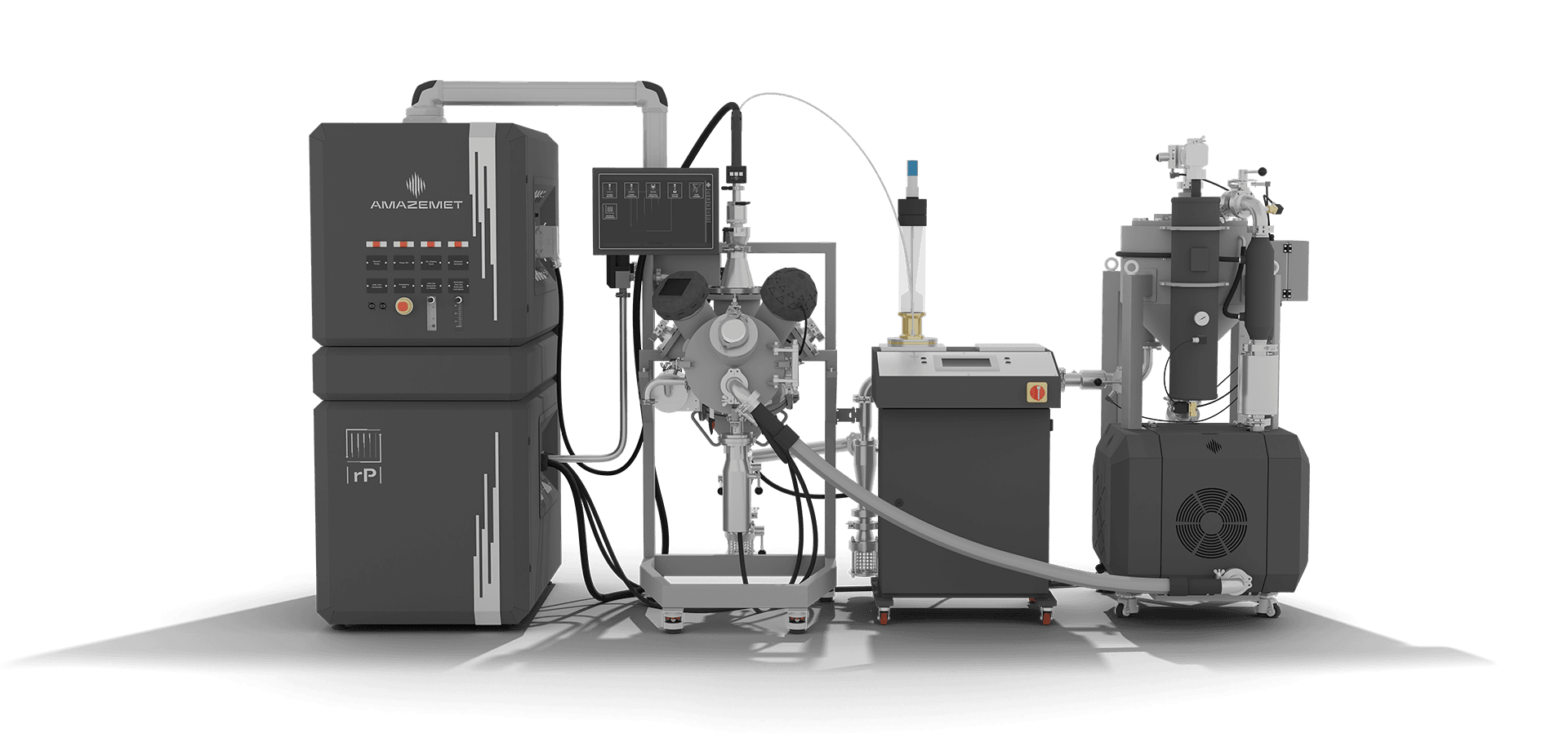
Powder2Powder
Re-atomization technology for recycling and refining powder-based materials, improving sustainability in automotive manufacturing.
FREEDOM IN METAL AM
DEVELOPMENT & PRODUCTION
Unlock Advanced
Automotive Research
Opportunities with AMAZEMET
RESEARCH PARTNERSHIP
RESEARCH PARTNERSHIP
Unlock Advanced Automotive Research Opportunities with AMAZEMET
AMAZEMET offers exciting collaboration opportunities for automotive research, leveraging our expertise in ultrasonic atomization, high-vacuum heat treatment, and advanced powder metallurgy. We specialize in developing high-performance alloys, lightweight materials, and thermal management solutions that meet the evolving demands of the automotive industry. Partnering with us allows access to cutting-edge technologies to address key challenges like high-temperature resistance, efficient thermal management, and lightweighting, supporting the next generation of sustainable and high-performing automotive materials.
ENABLING MATERIALS FOR CUTTING-EDGE APPLICATIONS
Explore Our Work in Action
Discover how AMAZEMET supports research and innovation through real-world collaborations and deep technical insights
Case Studies
Our case studies showcase how we’ve supported partners across industries with tailored solutions—from alloy development to process optimization. They focus on real challenges and how our technology helped turn ideas into results.
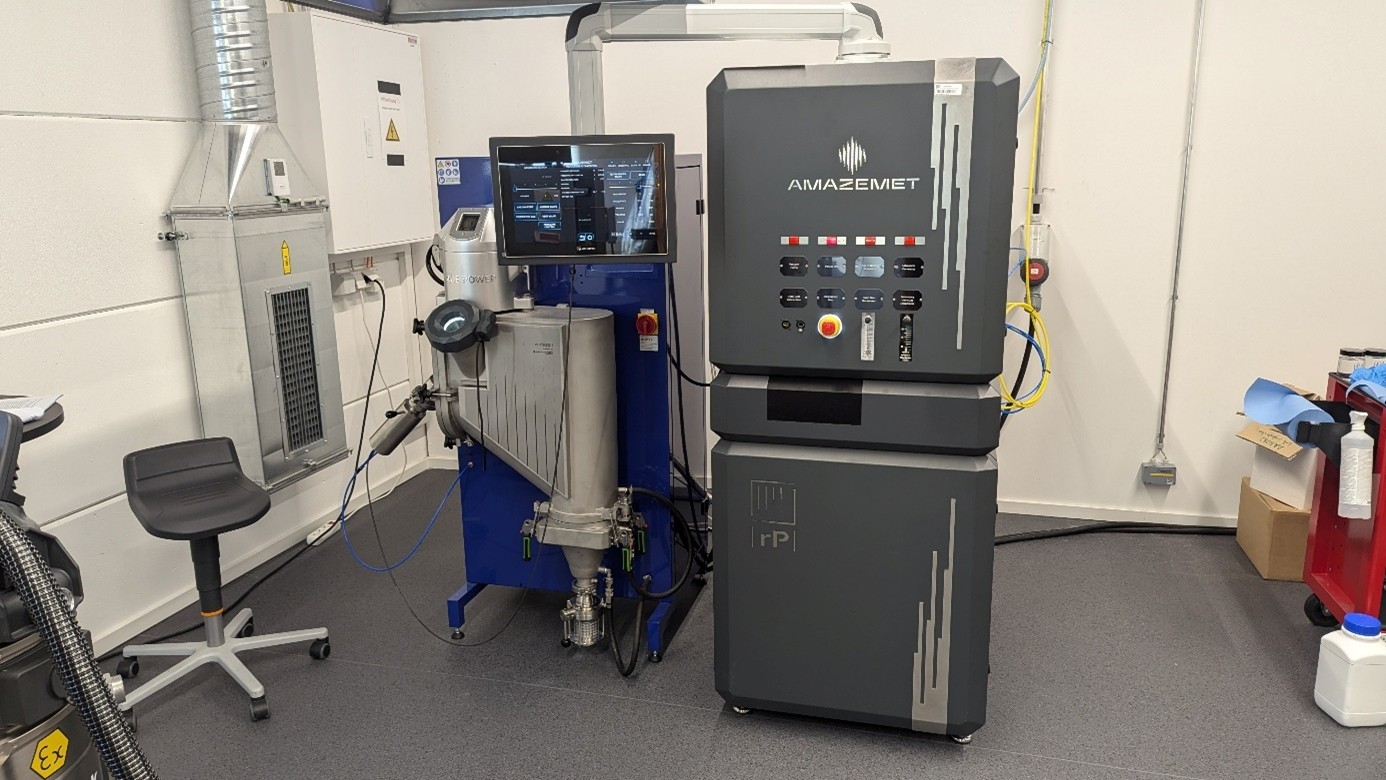
Universities and research institutes today face the challenge of quickly changing research directions and the need to adapt their equipment to new projects, often within tight budget constraints. AMAZEMET’s rePOWDER ultrasonic atomization system addresses this by providing an open platform designed for modular expansion. This allows institutions to start with a core system and expand their capabilities as research needs evolve and funding becomes available. The journey of the Technical University of Munich (TUM) with rePOWDER is a prime example of this principle, showing how upgradability supports innovation and protects the long-term value of research investments.

Since our foundation in 2019 as a dynamic spin-off from the prestigious Warsaw University of Technology, we at AMAZEMET have rapidly established ourselves as key innovators in the additive manufacturing (AM) and advanced materials sector. In just six dynamic years (as of May 16, 2025), we have demonstrated remarkable growth and technological prowess, driven by our mission to empower scientists and engineers worldwide with cutting-edge solutions for material development and processing. We are proud that despite numerous market perturbations, our company has remained profitable and is committed to sustainable development. This case study highlights our journey, impactful innovations, and the significant milestones we've achieved.
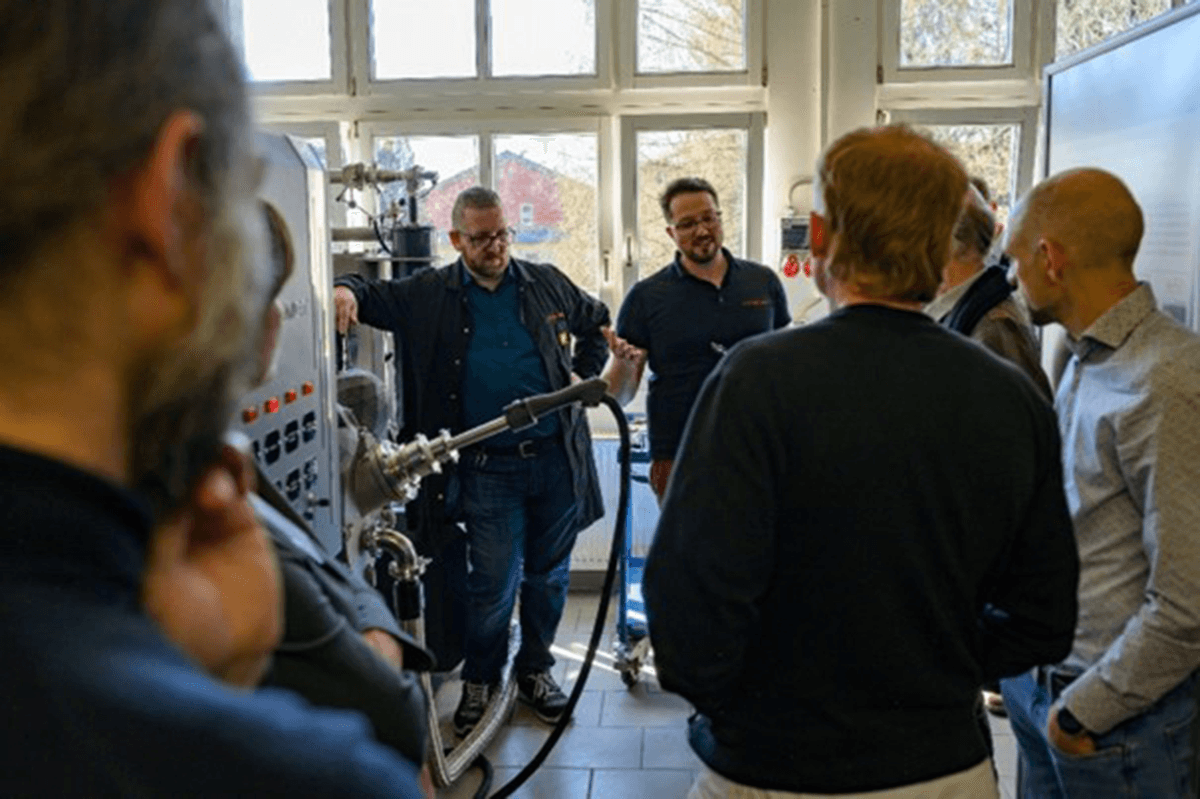
At AMAZEMET, we understand that the path to groundbreaking scientific discoveries often involves a lengthy and demanding process of securing funding. Our mission extends beyond providing innovative technological solutions; we strive to be a supportive partner for scientists at every stage of their journey. The case study of our collaboration with Chemnitz University of Technology (CUT) and the implementation of the rePOWDER system perfectly illustrates this approach.
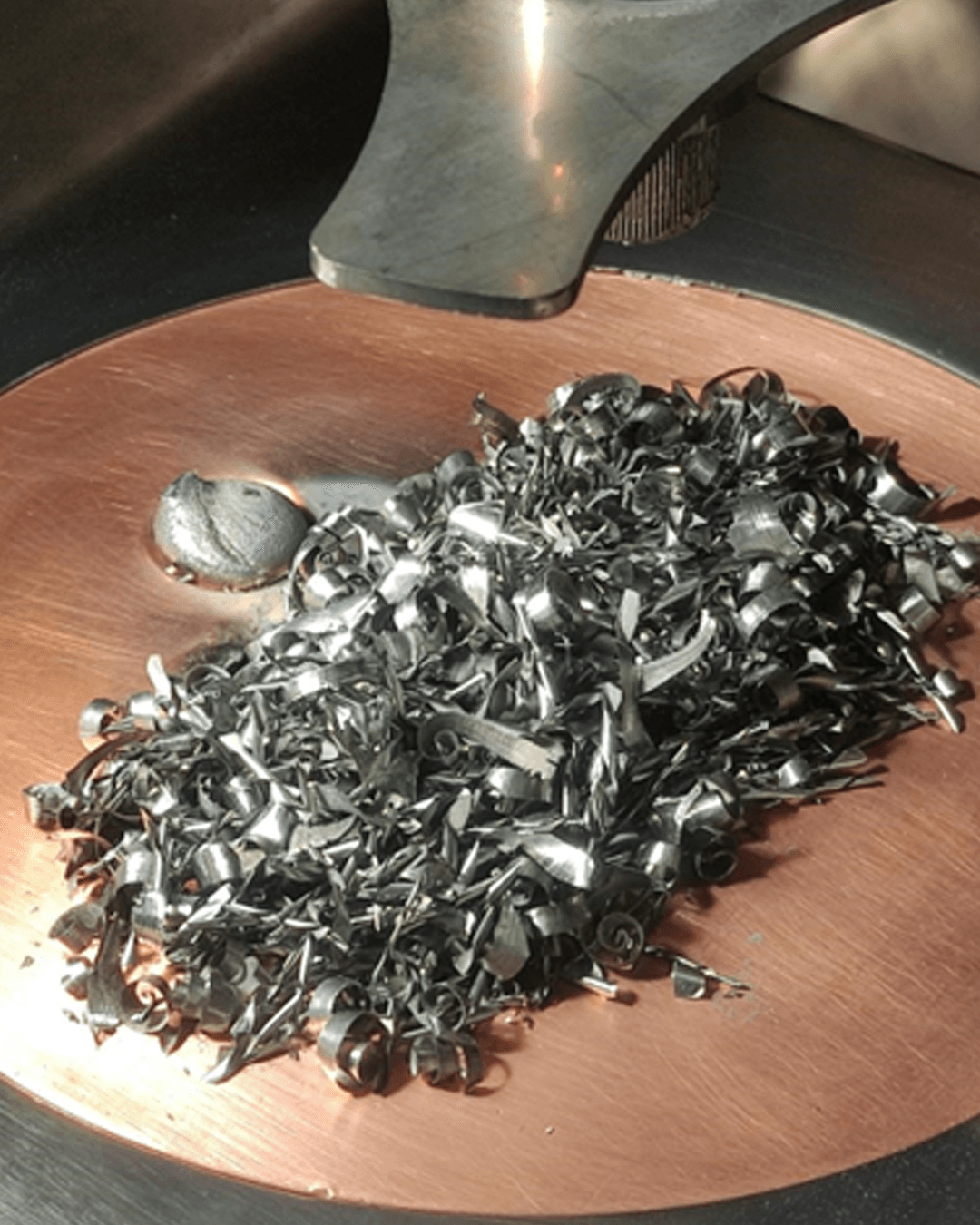
Discover how arcMELTER efficiently transforms CNC machining chips into high-quality ingots for severe plastic deformation (SPD). This case study highlights the use of a getter for inert atmosphere purification before homogenization. Learn about this sustainable, cost-effective closed-loop approach to metal production and material valorization.

Learn how arcMELTER transformed poorly flowing irregular powder into spherical feedstock suitable for Direct Energy Deposition. This case study details how the process also enabled alloy homogenization with an additional element, improving thermal stability and precipitation hardening, unlocking new possibilities for advanced component manufacturing.
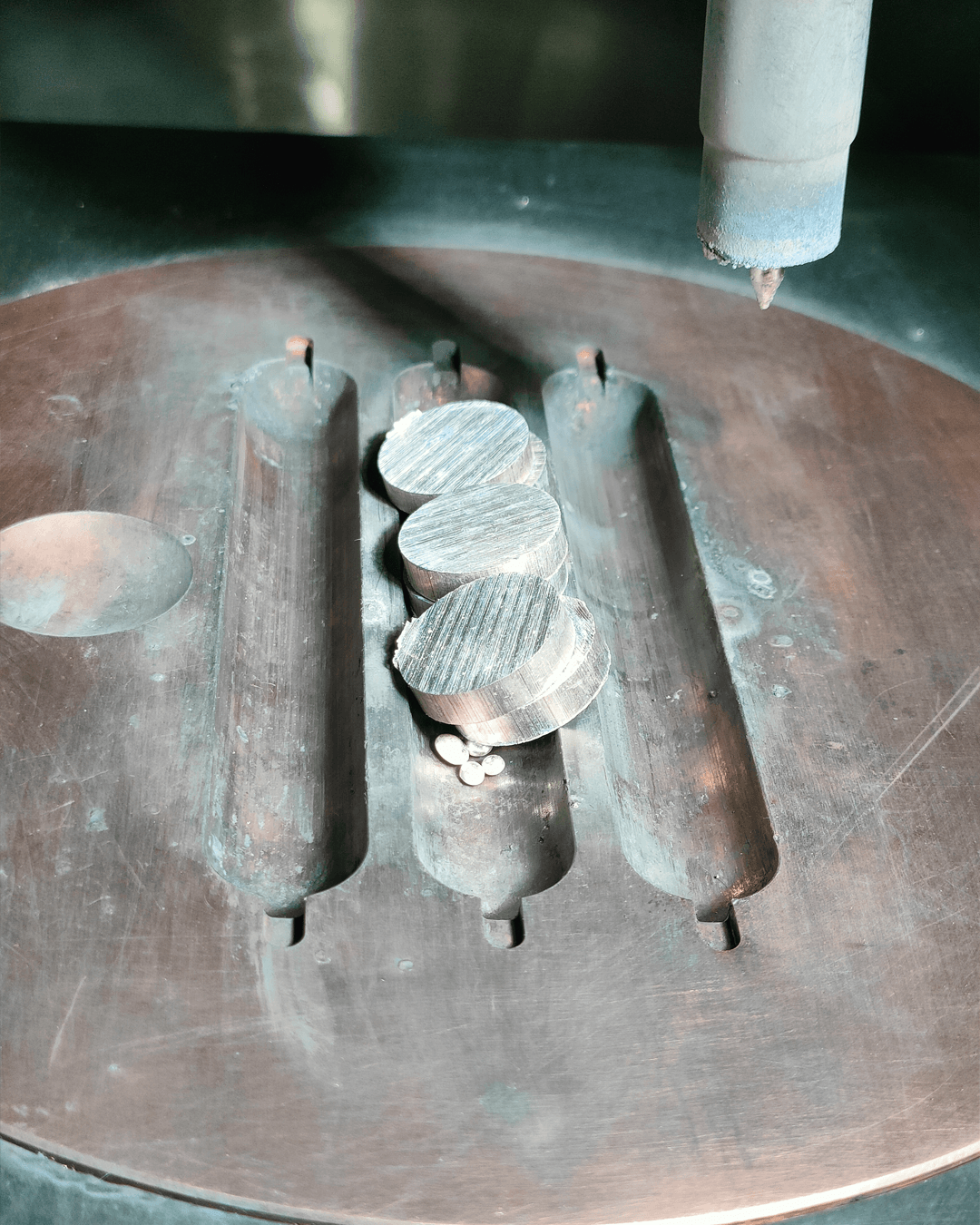
Explore how arcMELTER facilitated the creation of a custom Mg-25%Ag master alloy, bypassing temperature limitations and evaporation issues of induction melting. This case study demonstrates a novel approach to precise alloying with pure elements, offering greater control and flexibility for material property tailoring without relying on commercially available master alloys. Discover the benefits for mechanical, corrosion, and thermal properties.

Discover how we utilized arc melting (arcMELTER) for in-situ phase transformation in TiB2/Ti MMCs, achieving unique dendritic structures and avoiding additive manufacturing challenges. This case study highlights the potential of this technology for advanced materials in aerospace and automotive applications. Explore the property testing results and future research directions.
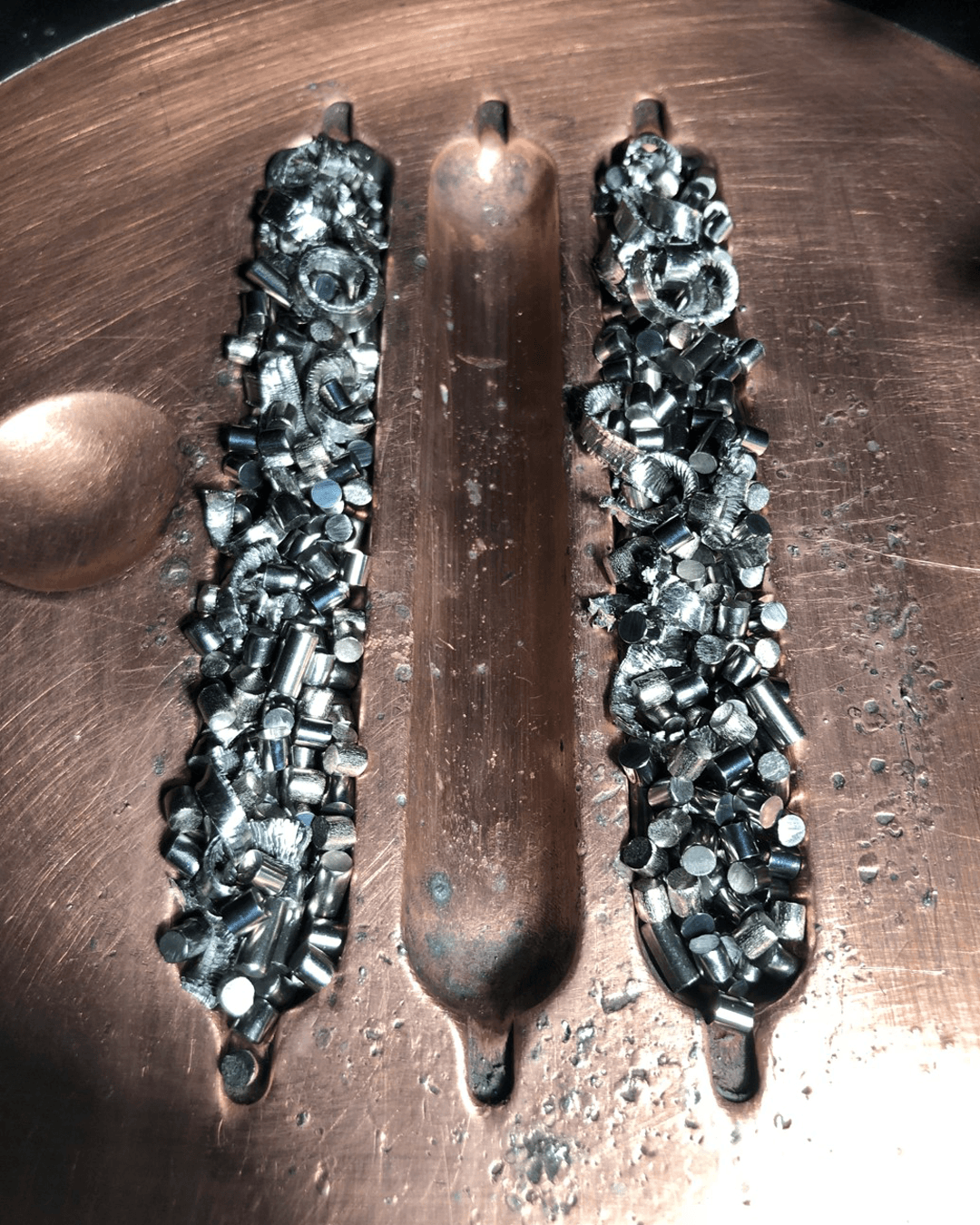
High entropy alloys are hard to obtain due to often usage of refractory elements. Thanks to the fact that arcMELTER can be equipped with focus plasma torch working with such elements is much smoother than just standard TIG torch. Additionally with the use of inFURNER you can perform the test of anneling time influence and thermal stability of HEA microstructure in casted state, powder form obtained by rePOWDER of after your powder-based manufacturing process.
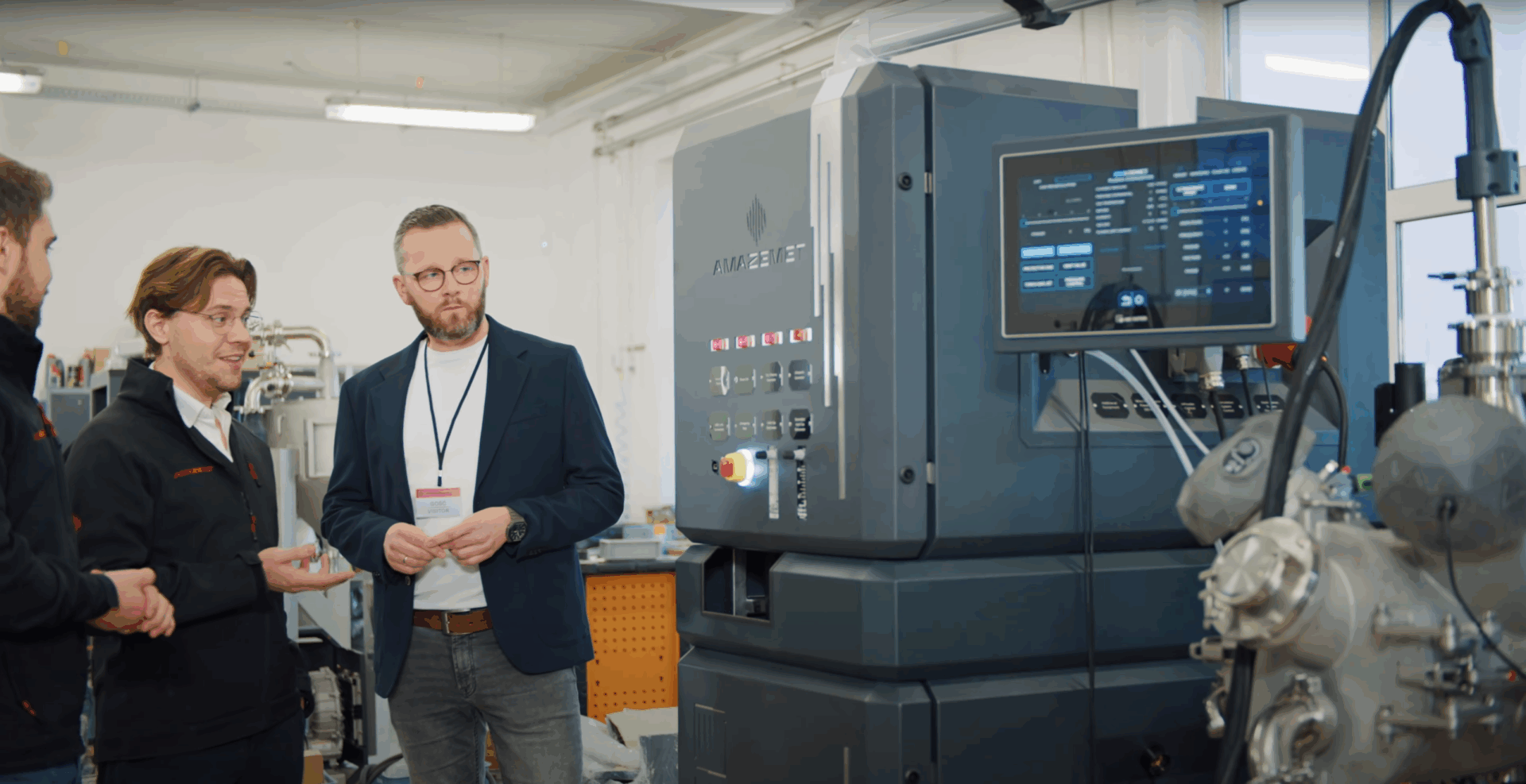
Application Notes
Application notes provide a deeper look into the technical aspects of our systems, methods, and materials. They’re ideal for researchers and engineers seeking detailed knowledge and insights to guide their own experiments and development work.
LET’S TALK
Revolutionize Automotive Material Research & Engineering with AMAZEMET
Discover how advanced material solutions can enhance your vehicle’s performance, efficiency, and sustainability
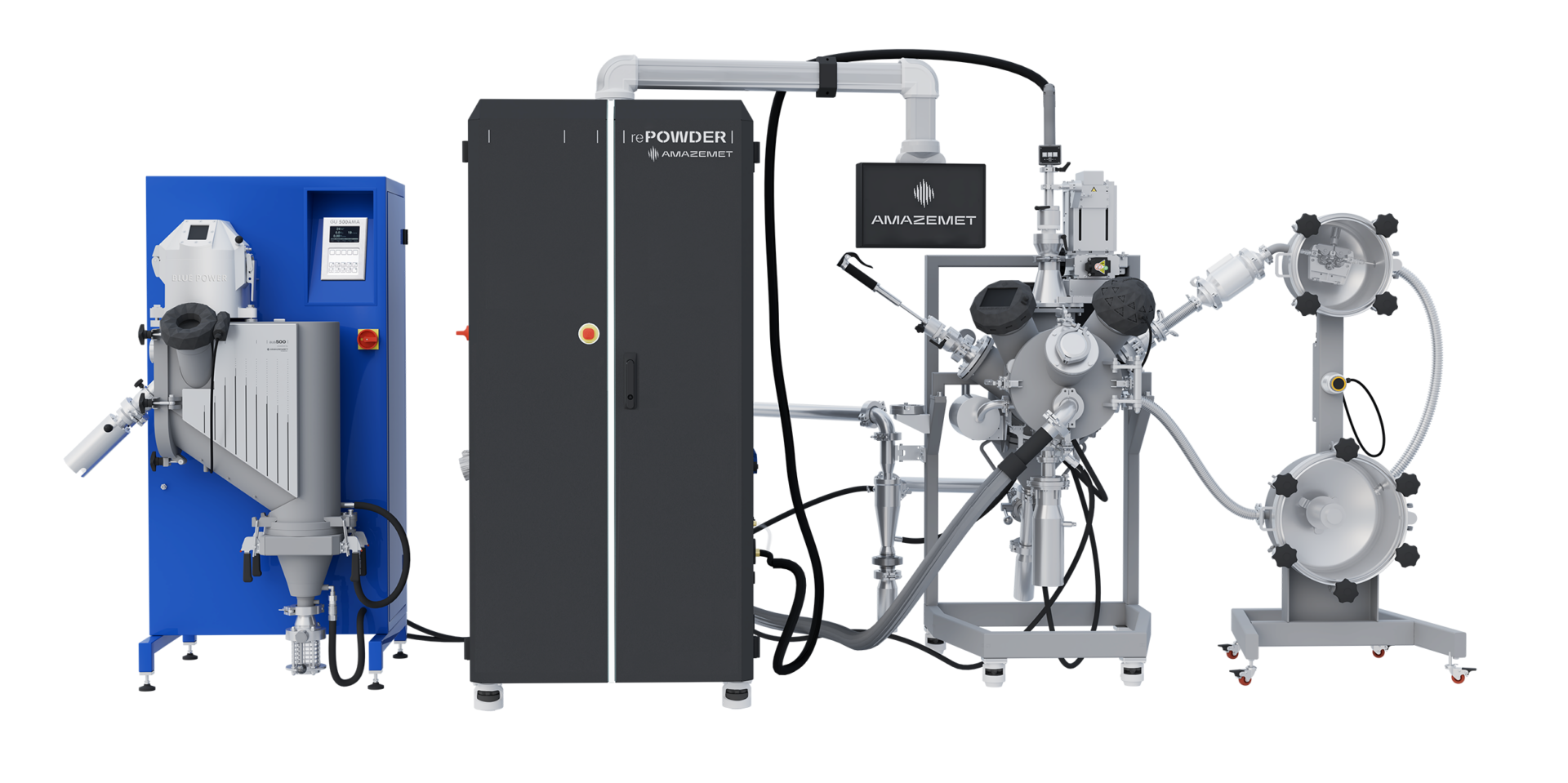
Order high-quality powders tailored for automotive — ready for your next project.





