

Freedom in Metal AM Develompent & Production
Reimagining Silicon Alloys for Advanced Manufacturing
Reimagining Silicon Alloys for Advanced Manufacturing
Silicon alloys and high-purity silicon powders are essential enablers of progress in electronics, energy storage, photovoltaics, and lightweight metallurgy. As silicon transitions from microchips to structural and functional materials, controlling its form and composition becomes increasingly critical, especially in powder metallurgy and additive manufacturing.
SILICON ALLOYS
Silicon Powder’s Expanding Role in Advanced Technologies
Introduction
While silicon has long been synonymous with the semiconductor industry, recent developments have unlocked new roles for silicon alloy systems and silicon metal powder in high-performance applications. From aluminum-silicon castings in aerospace and automotive to emerging anodes in lithium-ion batteries and thermoelectric devices, silicon powder is undergoing a technological renaissance.
As a base material, silicon offers a unique combination of high specific stiffness, relatively low density (~2.33 g/cm³), high melting point (1414°C), and good thermal conductivity (~150 W/m·K). These properties, coupled with its semiconductor behavior and low coefficient of thermal expansion, make silicon alloys a versatile platform for developing both electronic and structural components.
However, silicon's high reactivity, brittle nature, and challenges in powder atomization pose significant barriers to processing. Especially in additive manufacturing, where flowability, particle morphology, and purity are critical, finding a reliable silicon powder supplier capable of delivering material optimized for advanced use cases is essential for R&D and prototyping teams alike.
While silicon has long been synonymous with the semiconductor industry, recent developments have unlocked new roles for silicon alloy systems and silicon metal powder in high-performance applications. From aluminum-silicon castings in aerospace and automotive to emerging anodes in lithium-ion batteries and thermoelectric devices, silicon powder is undergoing a technological renaissance.
As a base material, silicon offers a unique combination of high specific stiffness, relatively low density (~2.33 g/cm³), high melting point (1414°C), and good thermal conductivity (~150 W/m·K). These properties, coupled with its semiconductor behavior and low coefficient of thermal expansion, make silicon alloys a versatile platform for developing both electronic and structural components.
However, silicon's high reactivity, brittle nature, and challenges in powder atomization pose significant barriers to processing. Especially in additive manufacturing, where flowability, particle morphology, and purity are critical, finding a reliable silicon powder supplier capable of delivering material optimized for advanced use cases is essential for R&D and prototyping teams alike.

METAL AM
Why Silicon Alloys Are Hard to Use in Powder Form
Silicon’s promise in structural and energy materials is well known, but turning this brittle metalloid into high-quality powder for advanced applications remains a significant challenge.
Despite the growing number of silicon powder uses, many researchers and engineers face persistent issues:
01
Limited Availability of Pure Silicon Powder
Most silicon powder suppliers focus on the semiconductor industry or large-scale metallurgy, offering powders that are unsuitable for AM or energy storage research.
02
Poor Powder Morphology
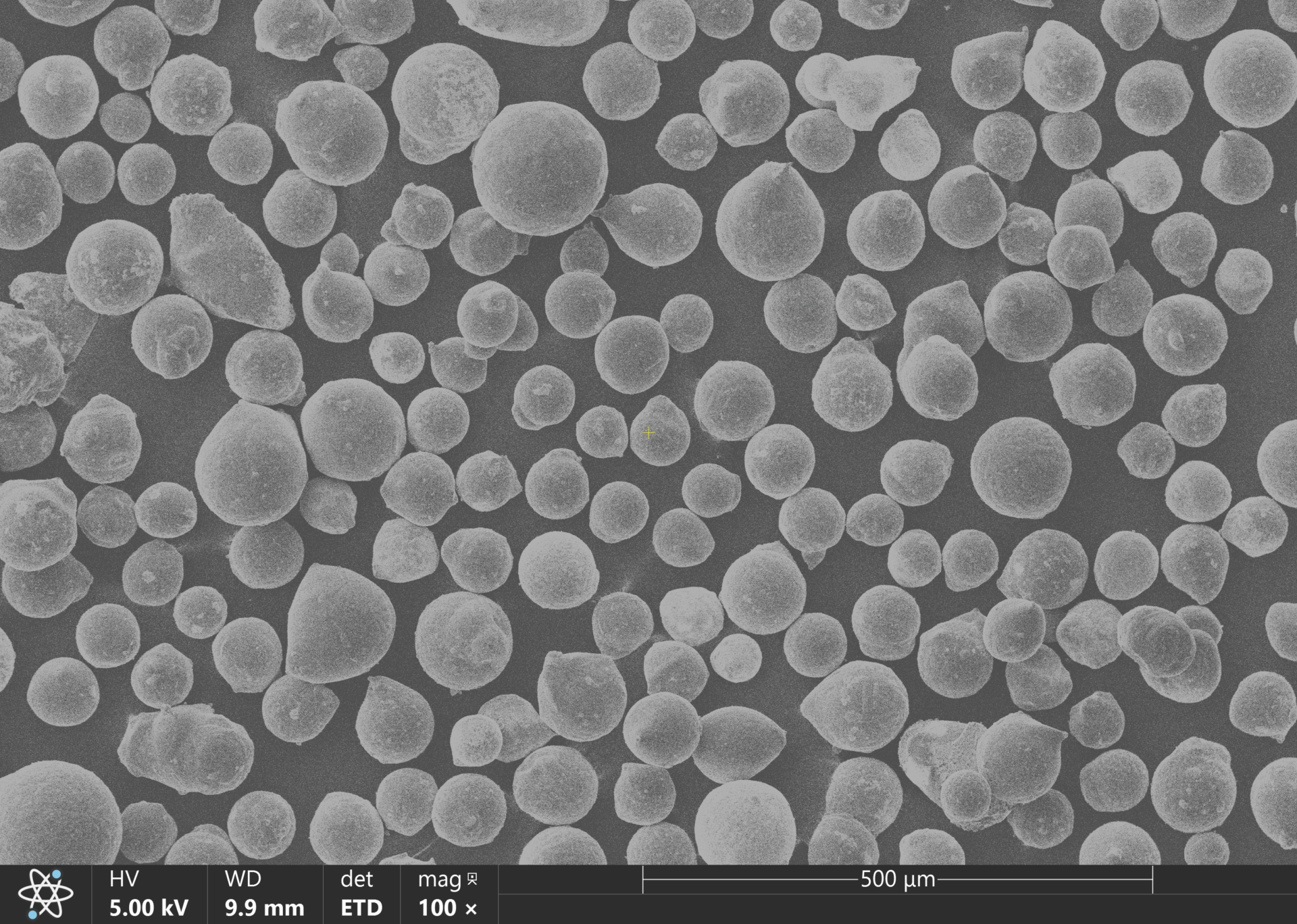
Atomized silicon metal powder often lacks spherical shape and flowability, impairing its use in LPBF or binder jetting processes.
03
Difficult Thermal Processing
Silicon's low density and high surface reactivity contribute to oxidation and poor control during conventional atomization, reducing yield and compromising quality.
04
Low Ductility and Brittleness
Silicon's low fracture toughness (~0.9 MPa·m½) results in cracking under stress, which complicates handling and post-processing.
05
Lack of Custom Alloying Options
Standard suppliers offer few options beyond commercial aluminum-silicon master alloys, neglecting research demand for complex systems like Si-Mg, Si-Ti, or Si-Cr tailored for next-generation batteries or thermoelectrics.
These limitations prevent researchers from fully exploiting silicon alloys in powder form, stalling the development of more efficient energy materials and lightweight structural components.
These limitations prevent researchers from fully exploiting silicon alloys in powder form, stalling the development of more efficient energy materials and lightweight structural components.
AMAZEMET
How to Access and Engineer High-Quality Silicon Powders
When standard suppliers fall short, two approaches allow researchers to explore the full potential of silicon in alloy form: custom powder services and in-house atomization.
To overcome the barriers in sourcing and powder quality, innovators now turn to more agile methods:
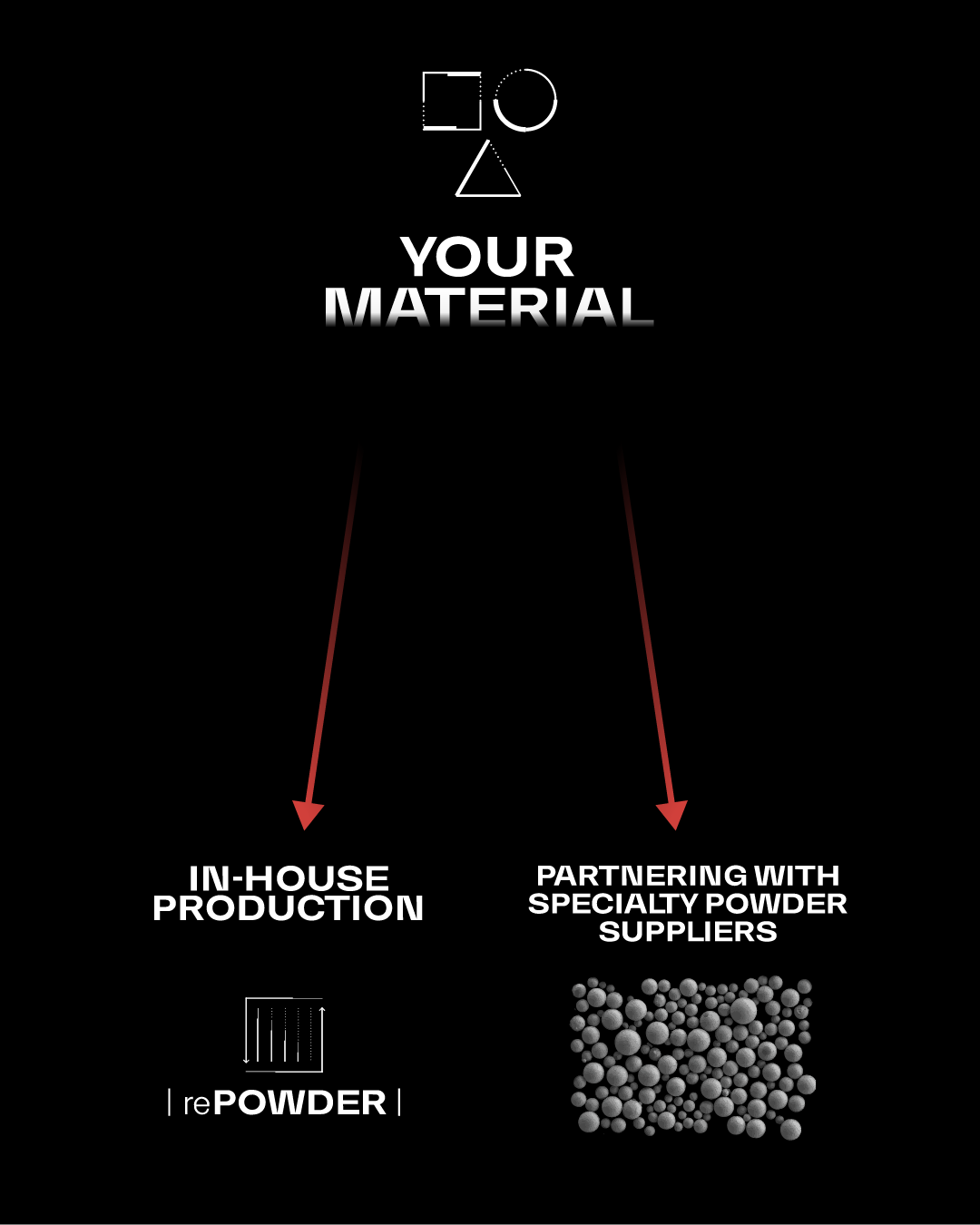
- Custom Powder Providers: Specialized metallurgical partners can produce pure silicon powder or tailor silicon alloys with precise control over particle size, morphology, and composition. Whether you're working on Si-Mg alloys for battery applications or adding trace elements to improve ductility in AM, these services provide access to formulations not found in commercial catalogs.
- In-House Ultrasonic Atomization: With compact, lab-scale systems, researchers can atomize their own silicon alloy compositions directly from cast or blended feedstock. This empowers teams to develop experimental materials, control contamination, and iterate quickly without minimum order constraints.
These methods deliver greater flexibility, higher purity, and better powder characteristics, allowing engineers to develop materials tailored for their exact needs.
METAL POWDERS PRODUCTION
Advancing the Possibilities of Silicon Alloy Powders
At AMAZEMET, we help research teams unlock the potential of silicon-based materials by offering precision powder services and tools for internal production.
Silicon’s role in materials science is evolving rapidly, and we’re here to support that transformation. AMAZEMET enables:
Custom Silicon Powder Services
Whether you require high-purity silicon powder for energy storage or complex silicon alloy blends for structural AM, our metallurgists can help you design and produce the ideal composition.
Research-Ready Quantities
Order exactly the amount you need—from 20 grams optimized for experimentation and prototyping.
Optimized Morphology and Purity
Our ultrasonic atomization technology ensures excellent sphericity and low oxygen pickup, even with difficult-to-process systems like silicon metal powder.
Responsive Collaboration
Our team works closely with researchers to deliver powders suited for advanced processes like LPBF, binder jetting, SPS, or cold spray.
AMAZEMET SERVICES & REPOWDER
Tailored Silicon Alloy Powders and rePOWDER Atomization Platform
Whether you’re developing new silicon alloy chemistries or need ready-to-use silicon metal powder, AMAZEMET provides the tools and services to accelerate your research.
1. Custom Powder Production
- Production of complex silicon alloy systems including Si-Ti, Si-Mg, Si-Cr, or Si-Ni for energy storage, electronics, and AM.
- Fine control over PSD, sphericity, and oxygen content.
- Flexible order sizes and fast turnaround to meet tight R&D deadlines.

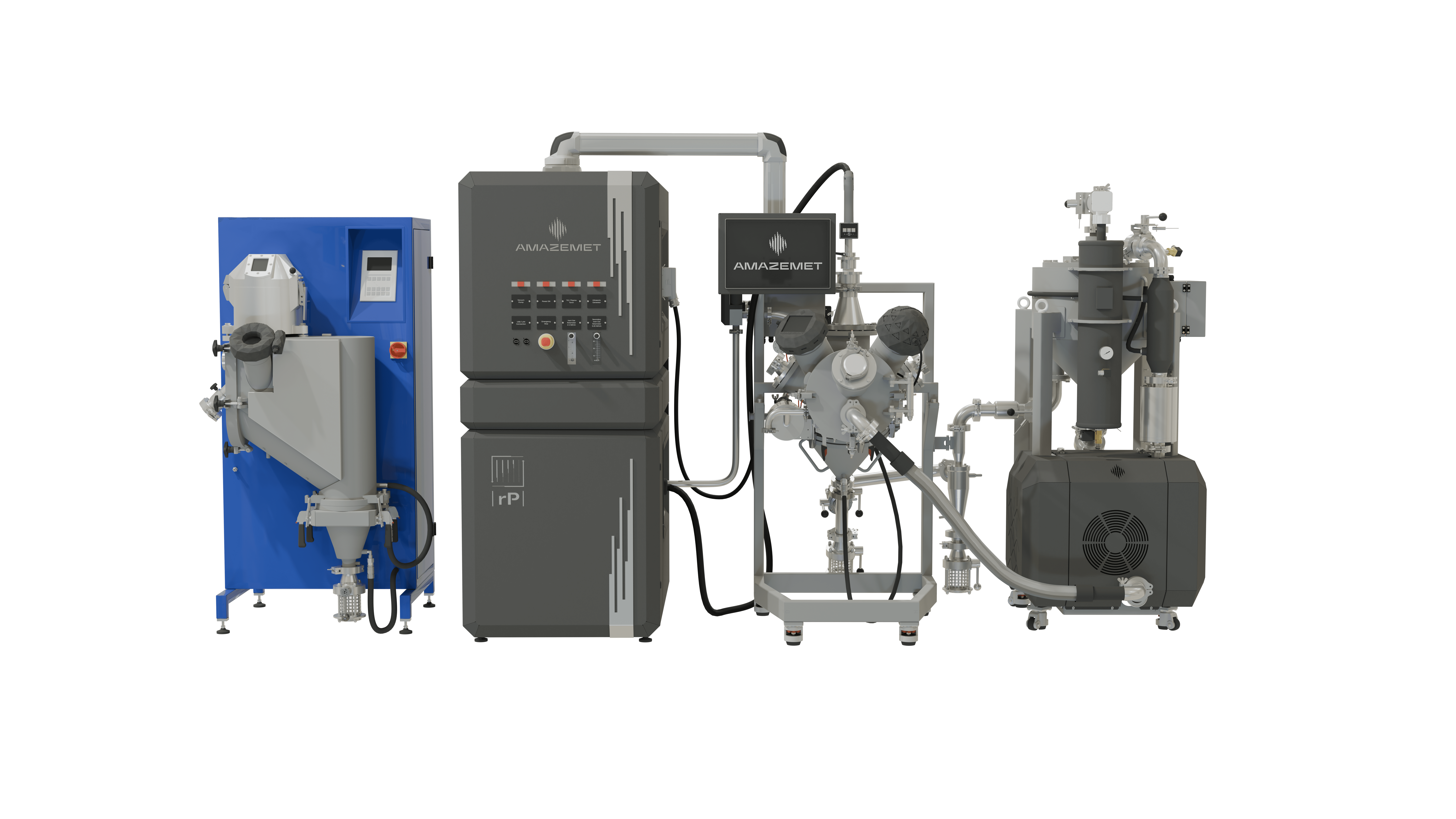
2. In-house Powder Production with rePOWDER
- Ultrasonic atomization system ideal for brittle or reactive elements like silicon.
- Small-batch production of novel silicon powder compositions from bar, pellet, or blend.
- Reduce waste and protect intellectual property by keeping development in-house.
- Efficient yield with integrated powder recovery—particularly critical when working with high-value or high-reactivity elements.
BOOST YOUR PROJECT WITH AMAZEMET
From lab-scale alloy development to tailored powder procurement, AMAZEMET supports your most advanced research goals with unmatched flexibility and precision.



