Molybdenum is a material that often operates behind the scenes, playing a critical role in various industries thanks to its exceptional physical and chemical properties. Known for its very high melting point, outstanding strength at elevated temperatures, and excellent corrosion resistance, molybdenum is a key element in advanced engineering and scientific applications. In this article, we explore the most important molybdenum uses, as one of the essential refractory metals, across modern industries, from high-tech manufacturing to medicine and energy production.
Common Uses of Molybdenum in Industry
Molybdenum’s industrial relevance is primarily driven by its position among refractory alloys . With a melting point of 2623°C and a low coefficient of thermal expansion, it is uniquely suited for applications in harsh environments.
Molybdenum Alloys: A Key Element in Steel and Superalloys
One of the most common uses of molybdenum is as an alloying element to improve the strength, corrosion resistance, and wear properties of steel alloys and superalloys. In fact, nearly 80% of molybdenum produced worldwide goes into the steel industry. High-strength low-alloy steels (HSLA), stainless steels, and tool steels often contain molybdenum to withstand extreme mechanical and chemical conditions.
While these applications account for the majority of global consumption, AMAZEMET primarily focuses on the development of advanced refractory alloys and high-performance materials for demanding environments. However, the company is also involved in initiatives such as the NewAIMS project, which is dedicated to the development of innovative tool steels specifically tailored for additive manufacturing.
High-Temperature Applications
Due to its outstanding thermal stability, molybdenum is essential in components that must perform reliably under extreme temperatures. These include:
- Rocket nozzles and heat shields in aerospace engineering.
- High temperature furnace components and heating elements.
- Glass manufacturing electrodes.
In these areas, molybdenum’s resistance to softening and structural failure at elevated temperatures makes it irreplaceable.
Molybdenum Uses in Medicine
Although often associated with high-temperature applications, molybdenum also plays a vital role in healthcare.
While industrial uses focus on its metallic form, it’s important to recognize that in biological systems, molybdenum is an essential trace element for the human body.
- Medical Imaging and Cancer Therapy: Molybdenum is used in radiation shielding and as a target material in X-ray tubes. 98Mo and 100Mo are used for new uranium-free production methods of 99Tc.
- Biodegradable Implants Research: Some studies explore molybdenum-based materials as potential candidates for temporary implants due to their biocompatibility and controlled corrosion behavior.
At AMAZEMET, we primarily support research institutions working on material development for future medical applications, particularly in the area of novel alloy design for biodegradable implants. However, it’s important to note that we do not supply medical-grade molybdenum products for direct clinical use.

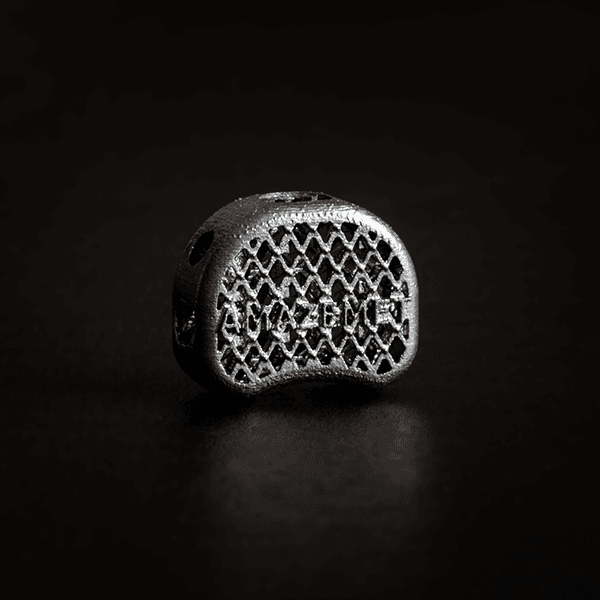

Advanced Applications in Powder Metallurgy and Additive Manufacturing
With the rapid growth of additive manufacturing and powder metallurgy, molybdenum powders have found new and exciting uses in cutting-edge technologies.
Applications for Pure Molybdenum in Powder Metallurgy
In powder metallurgy, pure molybdenum powders are used to produce high-performance parts that cannot be manufactured using conventional casting or machining. Components such as:
- High-precision molds for the electronics industry.
- Radiation shielding in medical and nuclear sectors.
- Structural components for defense and energy systems.
Thanks to their excellent thermal and mechanical properties, these parts are often employed in environments where failure is not an option. For specialized applications like these, AMAZEMET provides research and development support, focusing on advanced refractory alloys tailored for extreme operating conditions using ultrasonic metal atomizer – rePOWDER.
Additive Manufacturing with Molybdenum Powders
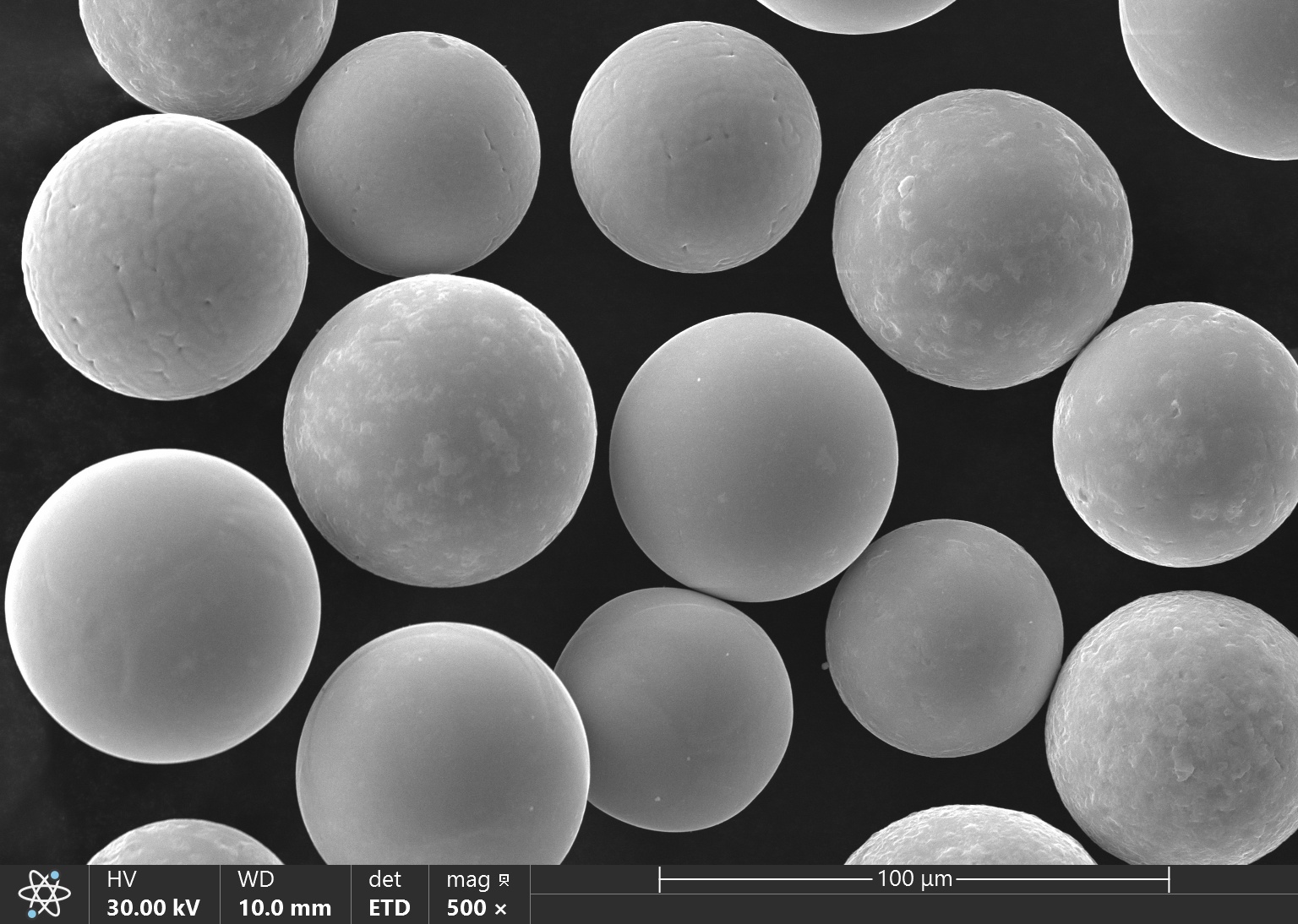
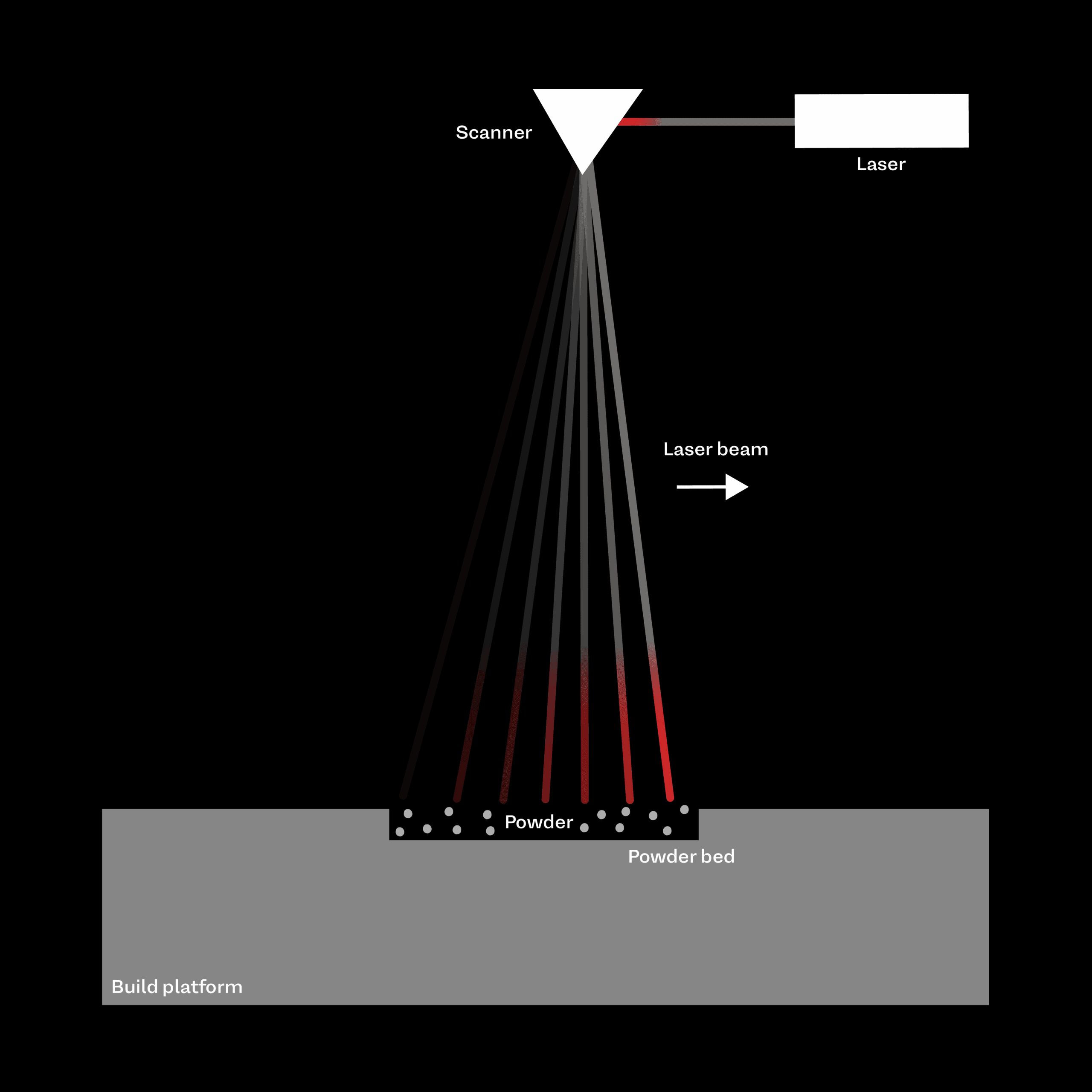
The use of molybdenum in additive manufacturing, especially in technologies such as Laser Powder Bed Fusion (LPBF), is expanding rapidly. Despite processing challenges related to molybdenum’s high melting point and oxygen sensitivity, innovations like alloying with interstitial elements like nitrogen and carbon have enabled the production of crack-free, high-density molybdenum parts using LPBF. With the aid of advanced equipment like the ultrasonic metal atomizer, it is now possible to produce highly spherical molybdenum powders ideal for additive manufacturing. This technology allows for:
- Improved powder flowability and packing density.
- Enhanced control over particle size distribution.
- Production of customized molybdenum alloys for specialized research projects.
If you’re interested in working with tailored molybdenum powders, AMAZEMET offers in-house solutions to support advanced research and prototyping. Dedicated subpage for molybdenum powders.
Is Molybdenum the Right Material for Your Application?
While molybdenum’s versatility covers everything from heavy industry to cutting-edge medical research, it is most valuable when its unique properties match the technical requirements of the application.
At AMAZEMET, we specialize in enabling research and development of advanced materials by providing:
- Customizable metal powders, including molybdenum and its alloys.
- Specialized processing technologies like ultrasonic atomization for powder optimization.
- Consulting on material development for high-temperature and high-performance applications.
If you’re exploring new frontiers in additive manufacturing or advanced metallurgy, we invite you to reach out and discuss how we can support your project with customized solutions.
Ready to take the next step? Learn more about our metal powders and advanced materials solutions.
Molybdenum is known for its chemical versatility and can exhibit several oxidation states, with +4 and +6 being the most common and stable in chemical compounds like molybdenum disulfide (MoS₂) and molybdenum trioxide (MoO₃). This property is key to its use in catalysts and chemical processes.
The amount of molybdenum needed depends entirely on the application. For example, some high-strength structural steel may contain less than 1% molybdenum, while specialized superalloys for aerospace can contain significantly more to achieve desired properties at extreme temperatures.
Share this content!