

Freedom in Metal AM Develompent & Production
Cantor-Type Alloys: The Benchmark High-Entropy Alloy
Cantor-Type Alloys: The Benchmark High-Entropy Alloy
The CoCrFeMnNi alloy, known as the Cantor alloy, represents the foundation of High-Entropy Alloy (HEA) research, offering an exceptional combination of ductility, toughness, and stability across temperatures.
CANTOR TYPE ALLOYS
Cantor-Type Alloys: The Benchmark High-Entropy Alloy
Introduction
The Cantor alloy (CoCrFeMnNi), first reported by Brian Cantor in 2004, is widely regarded as the archetypal High-Entropy Alloy. Composed of five elements in near-equiatomic ratios, it forms a simple face-centered cubic (fcc) solid solution, defying traditional metallurgical expectations.
This alloy exhibits an extraordinary balance of properties: high ductility, excellent toughness even at cryogenic temperatures, and stable mechanical performance across a wide temperature range. Its simplicity and robustness have made it the model system for HEA research, inspiring exploration into derivative compositions and expanded HEA families.
As additive manufacturing and powder metallurgy expand, the availability of high-quality Cantor-type powders is increasingly critical for both fundamental studies and practical applications.
The Cantor alloy (CoCrFeMnNi), first reported by Brian Cantor in 2004, is widely regarded as the archetypal High-Entropy Alloy. Composed of five elements in near-equiatomic ratios, it forms a simple face-centered cubic (fcc) solid solution, defying traditional metallurgical expectations.
This alloy exhibits an extraordinary balance of properties: high ductility, excellent toughness even at cryogenic temperatures, and stable mechanical performance across a wide temperature range. Its simplicity and robustness have made it the model system for HEA research, inspiring exploration into derivative compositions and expanded HEA families.
As additive manufacturing and powder metallurgy expand, the availability of high-quality Cantor-type powders is increasingly critical for both fundamental studies and practical applications.

METAL AM
The Challenge of Working with Cantor-Type Alloys
While the Cantor alloy is central to HEA research, sourcing powders and exploring derivatives remains difficult.
Despite its scientific importance, the Cantor alloy is not widely available as a ready-made powder. Common issues include:
01
Lack of Commercial Supply
Few suppliers produce CoCrFeMnNi powders, and those that exist often have limited availability.
02
Rigid Compositions
Standard offerings rarely allow researchers to tweak the ratios (e.g., CoCrFeNi, CoCrMnNi) or explore doped variants.
03
High MOQs
- Bulk-oriented production does not align with the small-scale requirements of laboratories and research centers.
04
Long Lead Times
Custom Cantor-type powders often require extended production times, slowing iterative development.
These barriers make it challenging for researchers to fully explore the alloy’s potential, from cryogenic toughness studies to additive manufacturing experiments.
These barriers make it challenging for researchers to fully explore the alloy’s potential, from cryogenic toughness studies to additive manufacturing experiments.
AMAZEMET
Tailored Cantor-Type Alloy Powders
Specialty powder production and in-house atomization enable rapid access to Cantor-type alloys and their derivatives.
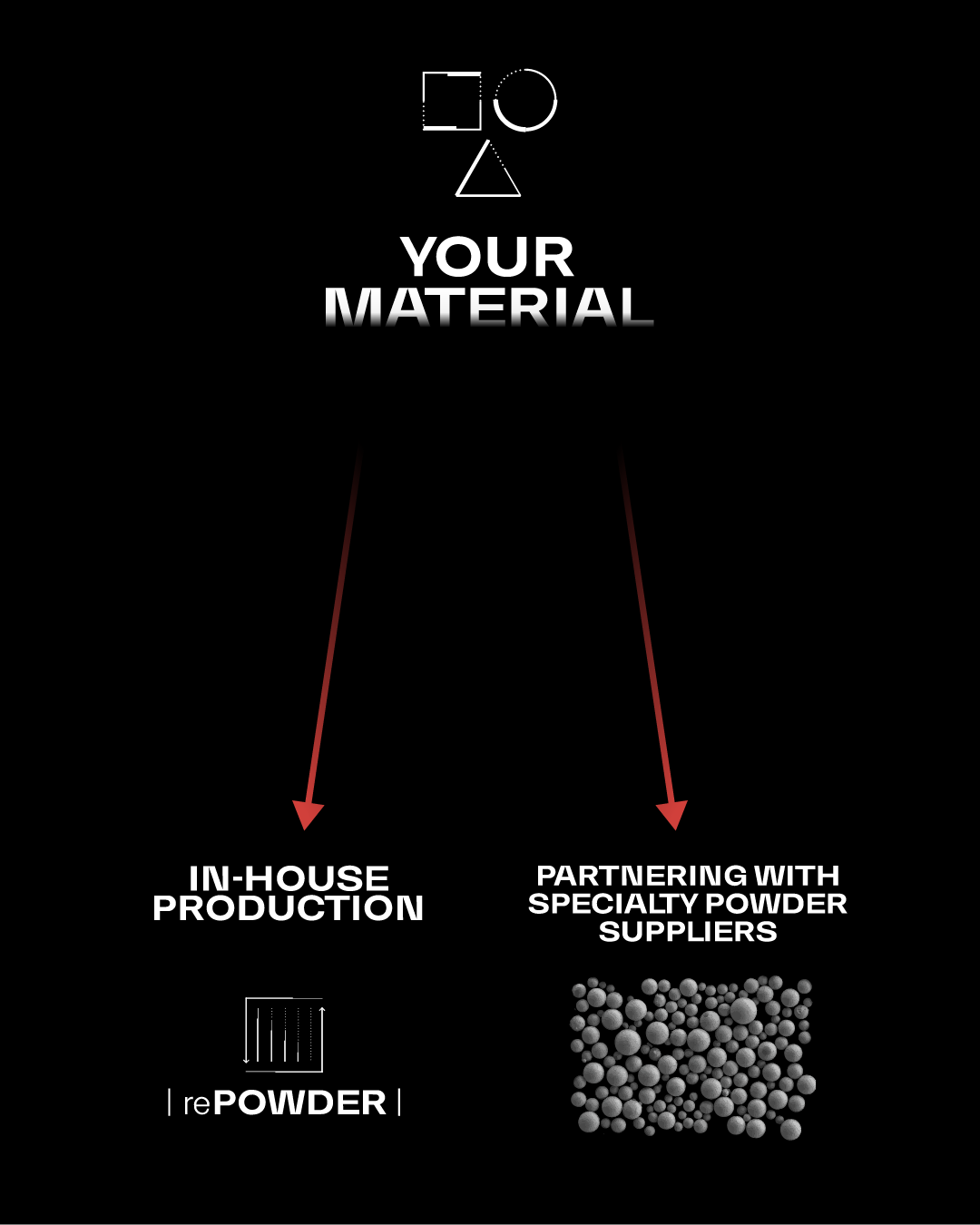
Two key pathways help address the supply gap for Cantor-type HEAs:
- Specialty Powder Providers: Small-batch production of CoCrFeMnNi and related alloys allows precise tailoring of chemistry and powder characteristics, enabling both replication of the baseline Cantor alloy and exploration of new variants.
- In-House Atomization: With systems such as rePOWDER, labs can produce their own Cantor-type powders, adjusting elemental ratios, doping levels to control microstructure and performance.
Both strategies empower researchers to move beyond limitations, exploring Cantor as both a benchmark material and a springboard for novel alloy design.
METAL POWDERS PRODUCTION
AMAZEMET: Enabling Cantor Alloy Research
AMAZEMET supports HEA research by providing access to high-quality Cantor-type powders and in-house production solutions.
We recognize that the Cantor alloy plays a pivotal role in alloy design and benchmarking. To support innovation, we:
Produce CoCrFeMnNi powders
in a small, research-ready quantities.
Enable derivative alloy development
such as CoCrFeNi or doped Cantor-type variants.
Provide high-quality atomized powders
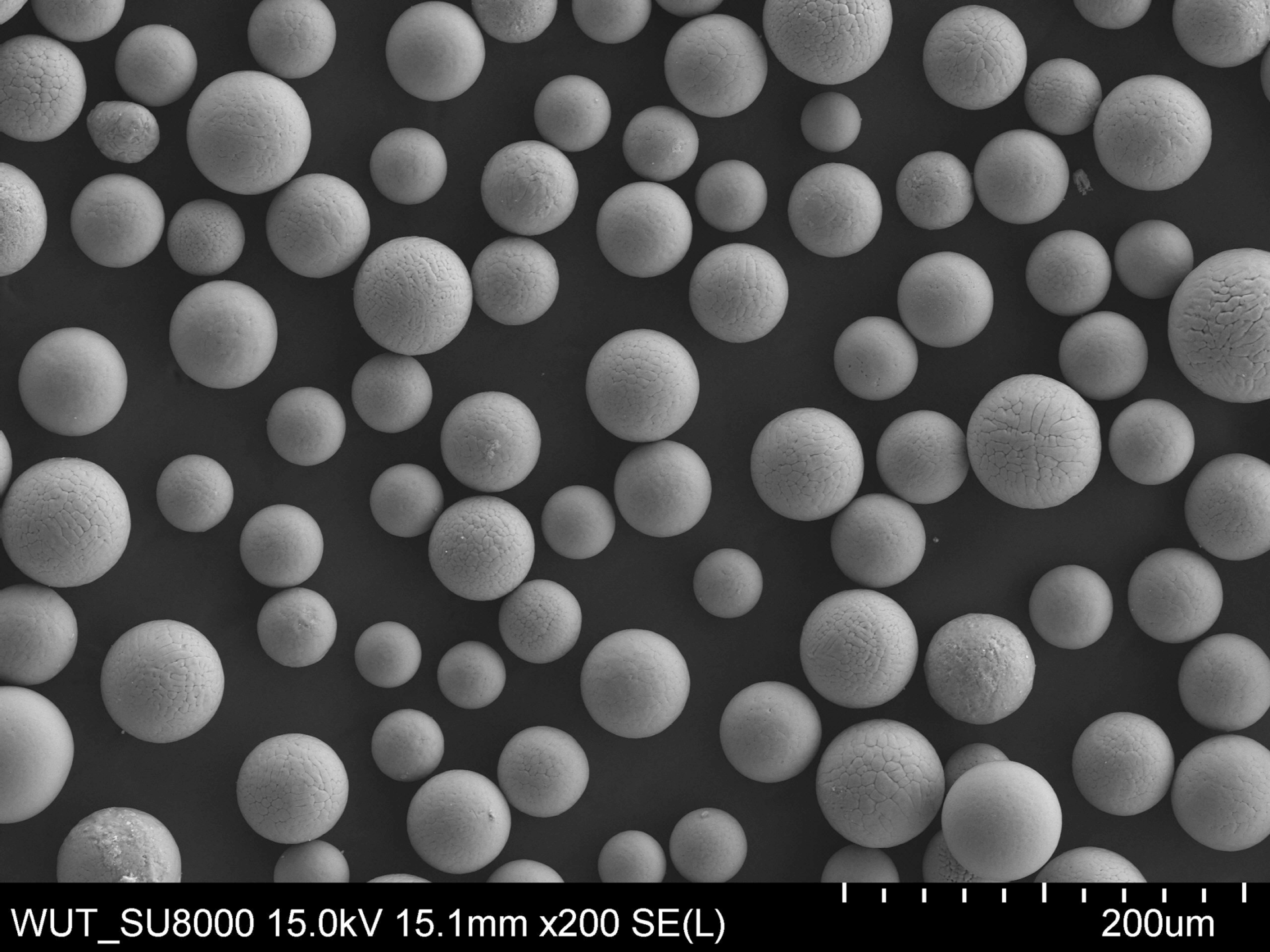
with spherical morphology and controlled composition suitable for AM and advanced metallurgy.
AMAZEMET SERVICES & REPOWDER
AMAZEMET Services & rePOWDER: Cantor-Type Alloy Development
From bespoke powder production to on-site atomization, AMAZEMET provides a complete toolkit for HEA research.
1. Custom Powder Production Services (Small Batches):
- Cantor-type alloys (CoCrFeMnNi) and derivative systems.
- Flexible volumes, from grams to kilograms.
- Shorter turnaround times compared to conventional suppliers.

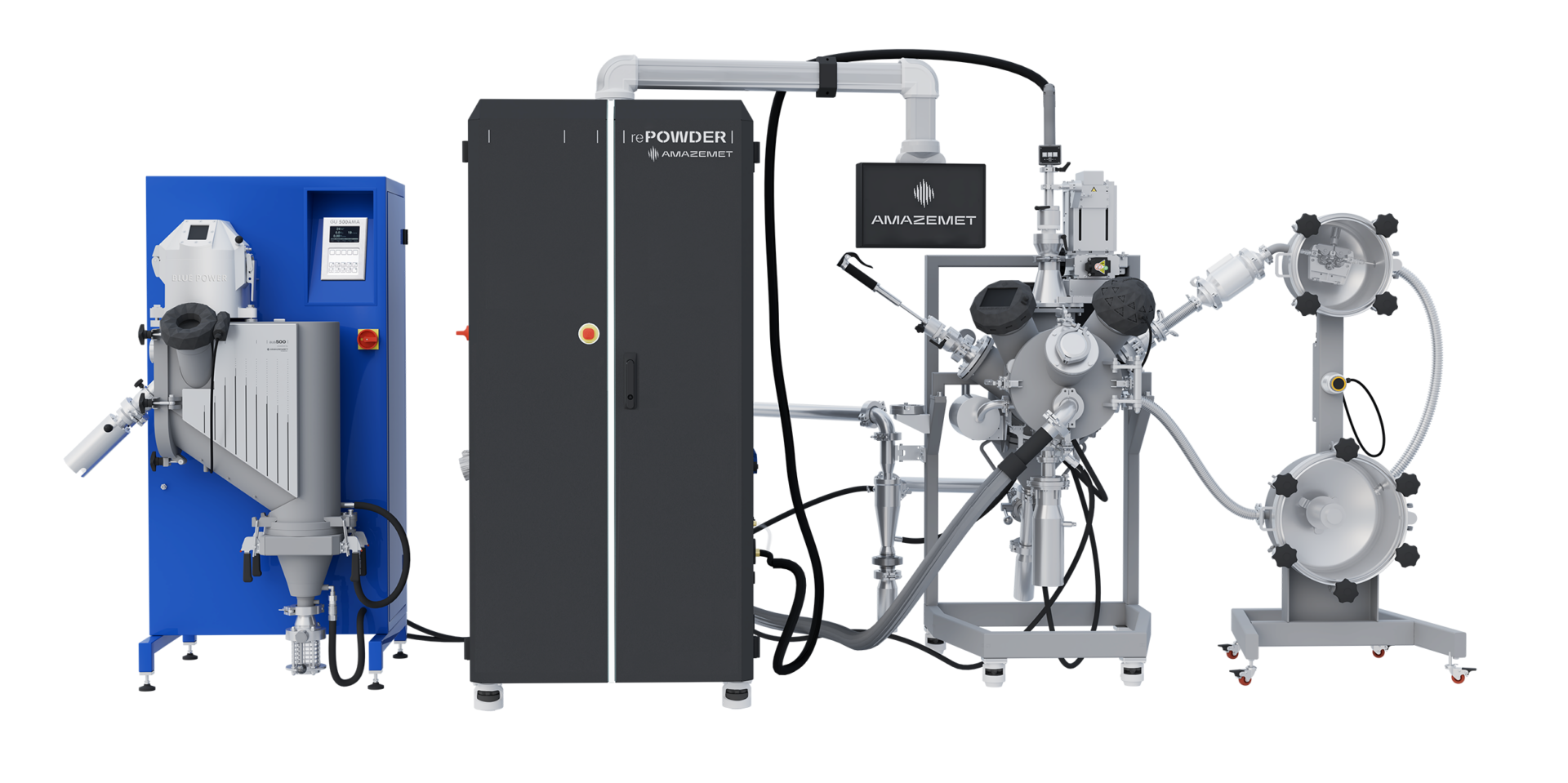
2. rePOWDER Atomizer for In-House Production:
- Designed for multi-element alloys, enabling rapid prototyping of HEA powders.
- Parameter control to refine microstructures and doping strategies.
- Secure production, protecting proprietary formulations.
BOOST YOUR PROJECT WITH AMAZEMET
Access custom Cantor-type powders or bring alloy production in-house with the rePOWDER system.



