What Are Key Uses of Platinum in Science and Advanced Technology?
Platinum is one of the most important precious metals in modern science, industry and advanced engineering. From a materials science perspective, its value comes from a rare combination of properties: high melting point of about 1768°C, high density of approximately 21.45 g/cm³, good ductility and malleability, electrical conductivity, chemical stability in many aggressive environments and strong resistance to oxidation and corrosion.
These characteristics explain why platinum uses go far beyond jewelry or investment bars. Platinum can operate in demanding thermal and chemical environments, while still being formable enough to be processed into wires, foils, electrodes, laboratory components and, in selected applications, metal powders.
From catalytic converters and hydrogen technologies to laboratory equipment, medical devices and high-performance powder-based materials, platinum plays a role wherever reliability, chemical resistance and catalytic activity are critical. In many cases, no cheaper substitute offers the same balance of performance and long-term stability.
So, what are the uses of platinum, and why is this metal so valuable in science and advanced technology? Below we examine five of the most important application areas, with a particular focus on industrial, scientific and engineering contexts.
Why is platinum so useful?
Platinum belongs to the platinum group metals, often abbreviated as PGMs. This group also includes palladium, rhodium, ruthenium, iridium and osmium. These metals are known for exceptional chemical and physical properties, but platinum stands out because of its higher availability and combination of durability, catalytic activity and processability.
The most important properties behind platinum industrial uses include:
- excellent corrosion resistance, even in many aggressive chemical environments,
- high melting point, around 1768°C,
- strong catalytic performance in oxidation, reduction and hydrogen-related reactions,
- good electrical conductivity,
- biocompatibility, which supports selected medical applications,
- long-term thermal stability,
- compatibility with advanced manufacturing routes, including powder-based processes.
These features make platinum especially valuable in industries where material failure is costly, dangerous or technically unacceptable.
1. Platinum uses in catalysis and chemical reactions
One of the most important common uses of platinum is catalysis. A catalyst accelerates a chemical reaction without being consumed in the process. Platinum is exceptionally effective in this role because its surface can interact with molecules such as hydrogen, oxygen, carbon monoxide and hydrocarbons.
The best-known example is the automotive catalytic converter. In this application, platinum helps convert harmful exhaust gases into less harmful compounds. It supports oxidation reactions that reduce carbon monoxide and unburned hydrocarbons in vehicle emissions.
However, automotive systems are only one part of the picture. Platinum catalysts are also used in:
- petroleum refining,
- production of nitric acid,
- hydrogenation reactions,
- fuel cells,
- chemical synthesis,
- environmental protection systems,
- laboratory-scale catalytic studies.
In advanced science, platinum is often used as a reference material in electrochemistry because of its stability and predictable behavior. Platinum electrodes are widely used in research on hydrogen evolution, oxygen reduction and fuel-cell reactions.
This catalytic performance is one of the key reasons why platinum remains strategically important for both traditional industry and emerging clean-energy technologies.
2. Platinum in hydrogen technology and fuel cells
Hydrogen technologies are among the most scientifically significant areas for modern platinum metal uses. Platinum is a highly efficient catalyst for reactions involving hydrogen, especially in proton exchange membrane fuel cells, also known as PEM fuel cells.
In a PEM fuel cell, hydrogen is split into protons and electrons at the anode. Platinum helps this reaction occur efficiently at relatively low temperatures. At the cathode, platinum also supports the oxygen reduction reaction, which is often one of the most difficult and efficiency-limiting steps in the system.
This is why platinum is widely studied in:
- fuel-cell vehicles,
- stationary fuel-cell systems,
- hydrogen production,
- electrolyzers,
- electrochemical sensors,
- research on clean energy conversion.
The challenge is that platinum is expensive and rare. As a result, researchers work on reducing platinum loading, improving catalyst dispersion and developing platinum-based alloys that deliver better performance with less material.
For science and industry, this makes platinum not only a functional material, but also a subject of intensive optimization. Its use in hydrogen technology illustrates the broader direction of advanced materials engineering: use less material, but use it more intelligently.
3. Platinum industrial uses in high-temperature and corrosive environments
Another important category of platinum uses involves environments where ordinary metals would degrade too quickly. Platinum resists oxidation, corrosion and many chemical attacks, which makes it suitable for specialized industrial equipment.
Examples include:
- laboratory crucibles,
- thermocouple components,
- glass manufacturing equipment,
- chemical processing hardware,
- electrodes,
- high-temperature furnace components,
- equipment exposed to aggressive media.
Platinum and platinum alloys are used in thermocouples for high-temperature measurement. For example, platinum-rhodium thermocouples are valued for their stability and accuracy in industrial furnaces and scientific instruments.
In glass production, platinum-based components can be used because they resist molten glass and high temperatures. This is especially important in specialized glass manufacturing, where contamination must be minimized and process stability is essential.
These are not always visible applications, but they are technically critical. In many advanced industries, platinum is selected not because it is precious, but because its performance justifies its cost.
4. Platinum uses in medicine and biotechnology
When people ask, “what are 5 uses for platinum?”, medical applications are often overlooked. Yet platinum has a long history in medicine and biomedical science.
The most famous example is platinum-based chemotherapy. Compounds such as cisplatin, carboplatin and oxaliplatin are used in cancer treatment. These are not metallic platinum implants, but chemical compounds containing platinum. Their biological activity comes from the way they interact with DNA in rapidly dividing cells.
Metallic platinum and platinum-containing materials can also appear in medical and biomedical contexts such as:
- electrodes for neurostimulation,
- pacemaker components,
- implantable sensors,
- dental materials,
- selected surgical and diagnostic devices.
Platinum is useful in these contexts because it is electrically conductive, corrosion-resistant and generally biocompatible. In implantable electronic devices, material stability is essential because the component may need to function safely inside the body for many years.
5. Platinum powder and advanced manufacturing
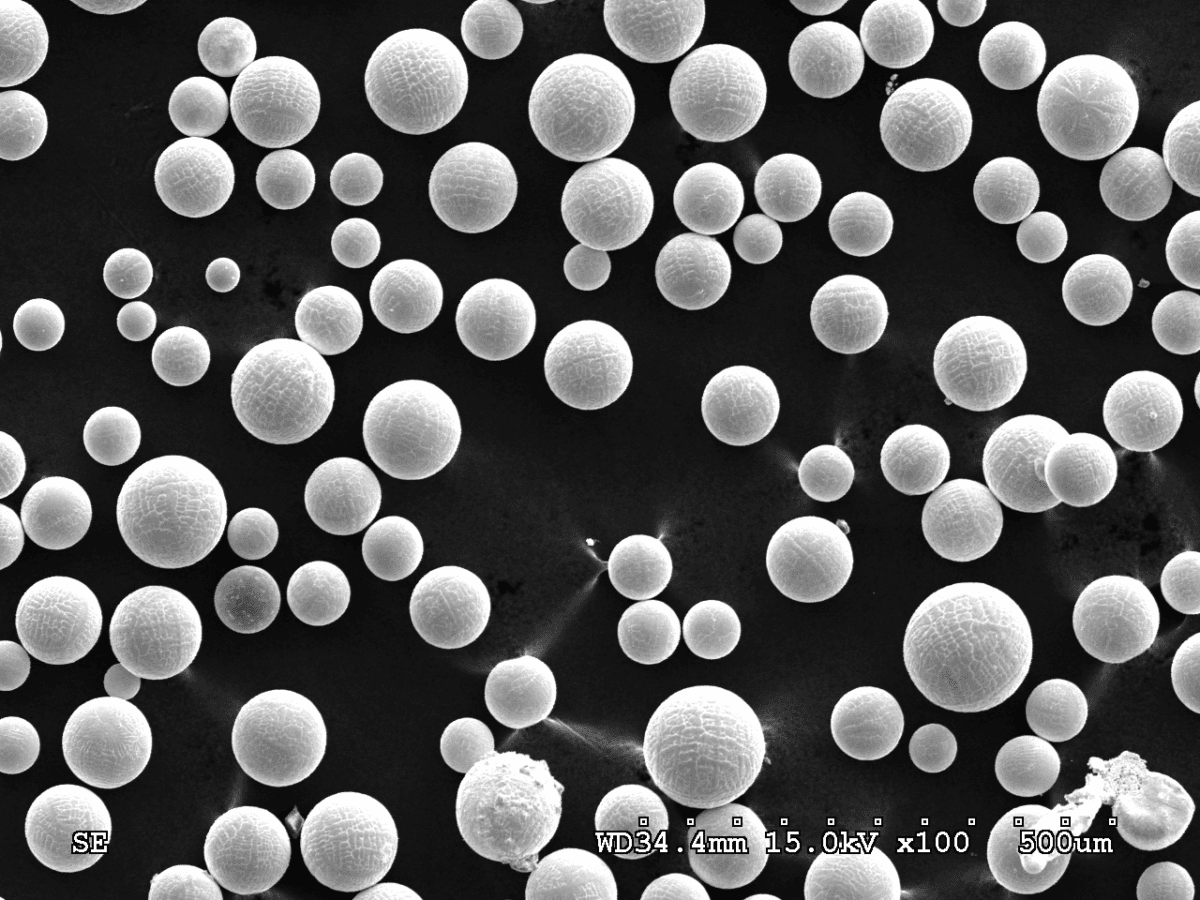
In advanced engineering, platinum is also used in powder form. Fine metallic powders are important for research, coating technologies, powder metallurgy and increasingly for additive manufacturing.
High-quality platinum powder can be relevant when precise control over particle properties is required. Powder characteristics such as particle size distribution, morphology, purity and flowability strongly influence process behavior and final material performance.
In this context, platinum can be considered for:
- powder-bed fusion research,
- directed energy deposition studies,
- coating and surface engineering,
- catalytic structures,
- experimental alloy development,
- custom material processing,
- scientific prototyping.
The connection between platinum and metal additive manufacturing is particularly interesting. Additive manufacturing allows engineers to create complex geometries that would be difficult or impossible to produce using conventional routes. For high-value materials such as platinum, this can be especially relevant because design optimization and material efficiency are critical.
For example, lattice structures, porous catalysts and custom components may benefit from additive manufacturing approaches. These structures can increase surface area, reduce mass or improve functional performance. In the case of platinum, such optimization is not only technical, but also economic, because the raw material itself is costly.
Platinum uses in everyday life
Although many platinum applications are highly specialized, there are also several platinum uses in everyday life. Most people encounter platinum indirectly rather than as a visible material.
Everyday or near-everyday examples include:
- catalytic converters in cars,
- jewelry,
- electronic components,
- medical devices,
- dental materials,
- anti-cancer medicines,
- laboratory and diagnostic equipment.
Jewelry remains one of the most recognizable applications because platinum is dense, durable and visually attractive. It resists tarnishing and holds gemstones securely, which makes it popular for rings and high-end jewelry.
However, from a scientific and industrial point of view, jewelry is only one part of the story. The more technologically important applications are often hidden inside vehicles, factories, laboratories, energy systems and medical devices.
Platinum common uses compared with advanced applications
The phrase platinum common uses can be misleading because “common” does not always mean simple. A catalytic converter, for example, is a mass-market product, but the chemistry inside it is highly sophisticated.
Broadly, platinum applications can be divided into two categories.
Common and visible uses:
- jewelry,
- investment products,
- some dental applications,
- consumer-related electronics,
- automotive emission-control systems.
Advanced scientific and industrial uses:
- catalysts for chemical synthesis,
- fuel-cell catalysts,
- electrolyzer components,
- high-temperature sensors,
- laboratory equipment,
- platinum powders for research and manufacturing,
- specialized electrodes,
- biomedical devices.
This distinction matters because different users search for platinum for different reasons. A general reader may want to understand why platinum is valuable. An engineer may want to know whether platinum is suitable for a specific manufacturing route. A researcher may be interested in particle morphology, catalyst activity or alloy behavior.
A good technical understanding of platinum must connect all these perspectives.
Why platinum is difficult to replace
Because platinum is expensive, industries often search for alternatives. In some cases, palladium, nickel, stainless steel, ceramics or coated materials can partially replace platinum. However, substitution is not always straightforward.
Platinum is difficult to replace when several requirements must be met simultaneously, such as:
- high corrosion resistance,
- high catalytic activity,
- long-term thermal stability,
- electrical conductivity,
- biocompatibility,
- resistance to poisoning or degradation,
- predictable behavior in aggressive environments.
A cheaper material may meet one or two of these requirements, but fail in another. This is why platinum is still used in demanding applications despite its high cost.
In advanced technology, material selection is rarely based on price alone. It is based on total performance, reliability, lifecycle cost and failure risk.
The role of platinum alloys
Pure platinum is important, but platinum alloys can offer improved performance in specific conditions. Alloying platinum with metals such as rhodium, iridium, nickel or other elements can change mechanical strength, thermal stability, catalytic behavior or resistance to wear.
Platinum-rhodium alloys, for example, are widely associated with high-temperature thermocouples. Other platinum-based systems may be studied for catalysts, electrodes or specialized manufacturing applications.
In powder-based technologies, alloy design becomes especially important. The powder must not only have the right chemical composition, but also suitable physical characteristics for the intended process. This is why advanced powder production, classification and characterization are so important in metal additive manufacturing and research.
Platinum in the future of advanced technology
The future of platinum will likely be shaped by three major trends: clean energy, advanced manufacturing and high-performance materials science.
In clean energy, platinum will remain important for hydrogen fuel cells and electrolyzers, although research will continue to reduce the amount of platinum required per device. In chemical processing, platinum catalysts will remain valuable where selectivity and stability are essential.
In manufacturing, platinum powders and platinum alloys may support new component designs, especially where complex geometry and material efficiency are important. Additive manufacturing could make it possible to use platinum in more targeted ways, placing material only where it delivers functional value.
In biomedical engineering, platinum will likely continue to be used in electrodes, sensors and implantable devices, especially where long-term electrical and chemical stability is required.
The key point is not that platinum will be used everywhere. It will not. It is too rare and expensive for that. Instead, platinum will remain important in applications where other materials cannot deliver the same level of performance.
How AMAZEMET fits into platinum-related technologies
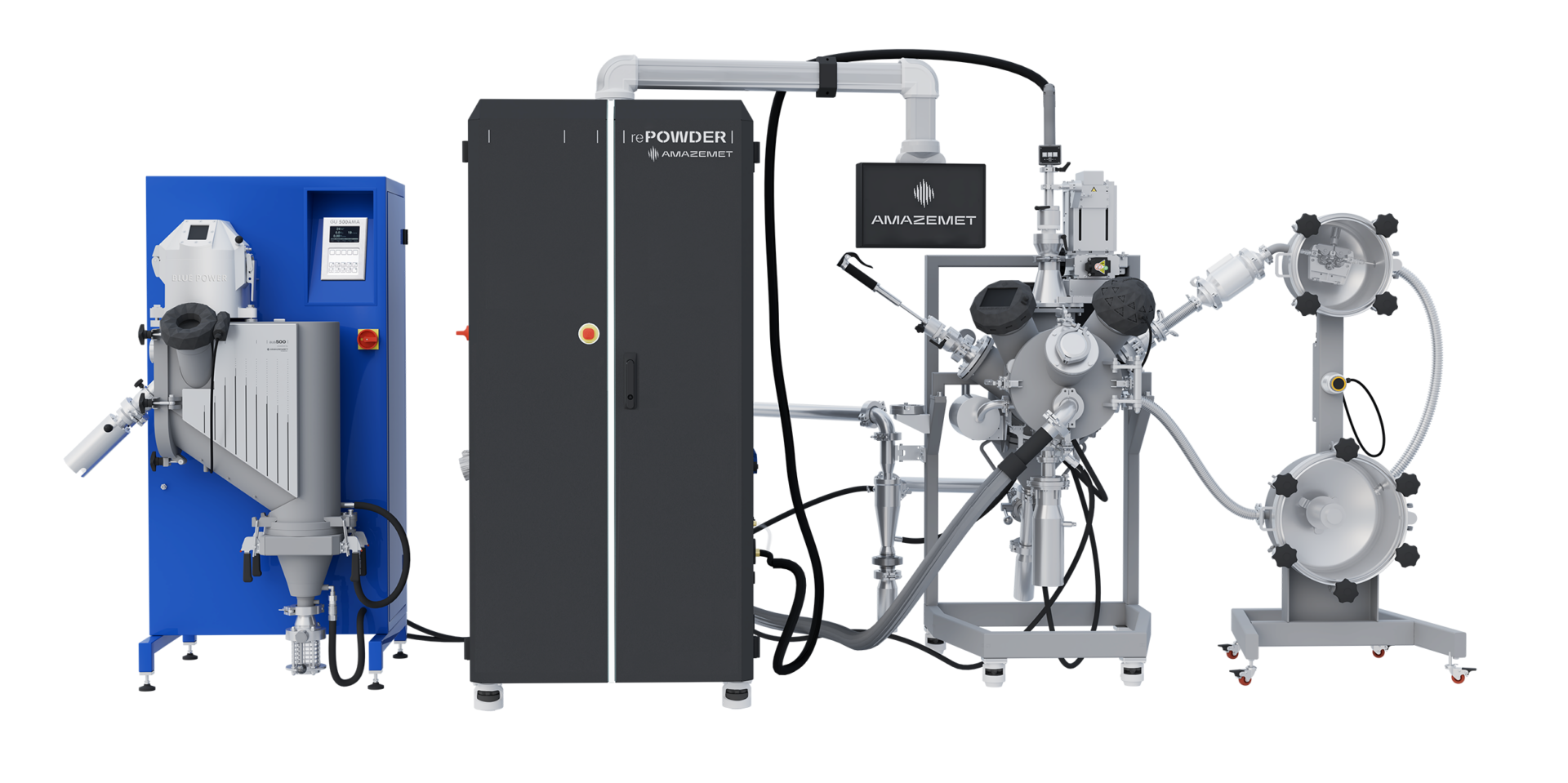
AMAZEMET focuses on advanced metal powders and technologies relevant to modern materials engineering. In the context of platinum, this is especially important for users interested in powder-based research, additive manufacturing, alloy development and high-performance materials processing.
Not every platinum application described above is directly related to AMAZEMET’s offer. For example, investment products or pharmaceutical platinum compounds are outside the main scope of powder-focused advanced manufacturing. However, platinum powders, precious metal alloys and metal additive manufacturing are closely connected with the kind of technical challenges where AMAZEMET’s expertise can be relevant.
For research teams, laboratories and industrial partners working with demanding metallic materials, access to properly prepared powder feedstock can be a decisive factor. In platinum-related development, this may include control over powder characteristics, alloy composition and suitability for advanced processing routes.
Share this content!