Selective laser melting as a foundation of modern metal additive manufacturing
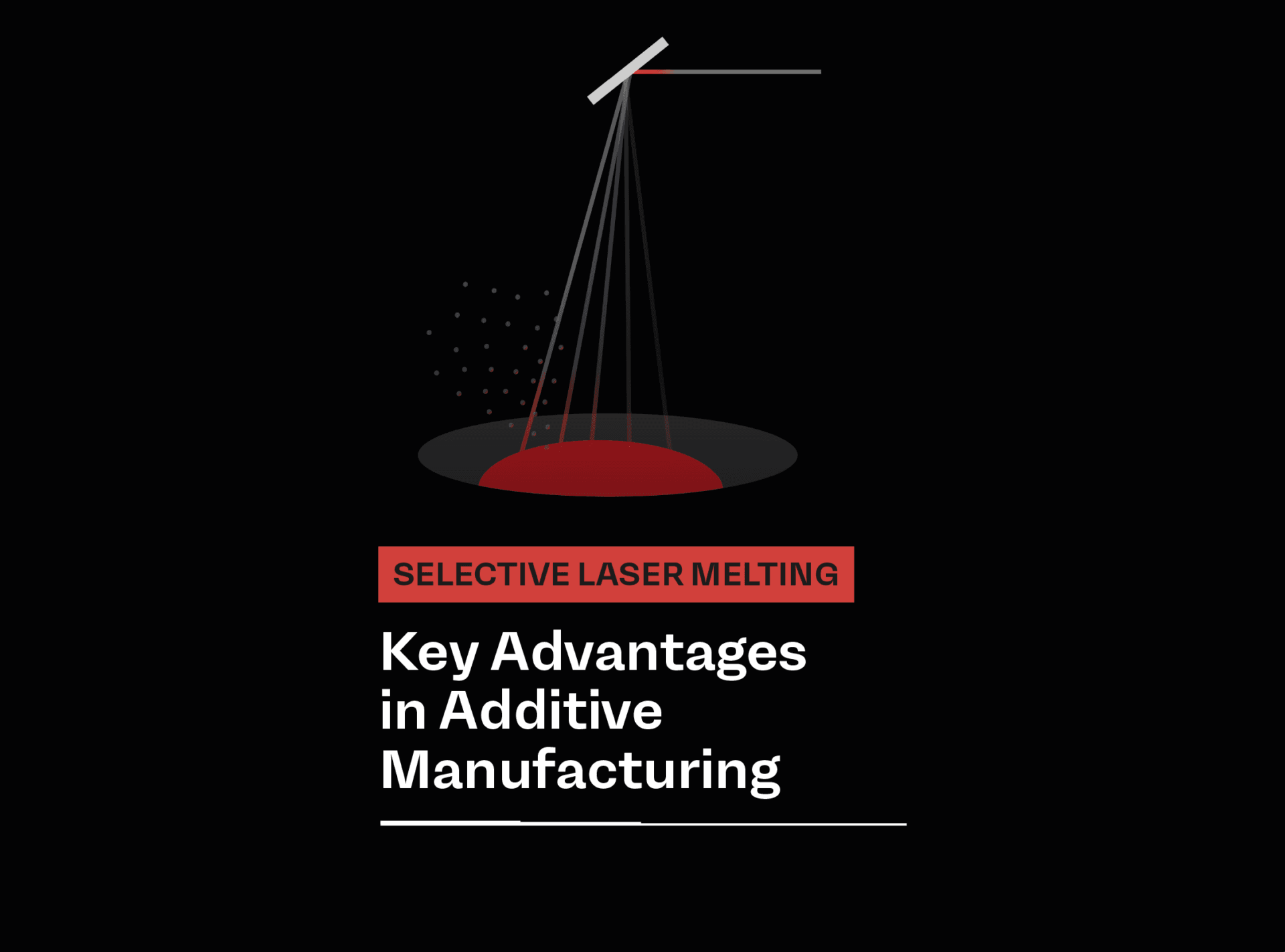
Selective laser melting, commonly referred to as SLM, has become one of the most important technologies in metal additive manufacturing. The process enables the production of fully dense metal parts by completely melting fine metal powder layers using a high power laser. Achievable densities typically exceed 99.7 percent, placing SLM among the highest performing powder bed fusion methods.
According to the ISO/ASTM 52900 and ASTM F2792 standards, selective laser melting is classified under the broader category of Laser Powder Bed Fusion (LPBF). In standard terminology, LPBF describes processes in which a laser selectively melts regions of a powder bed to build solid metal parts layer by layer. SLM is therefore not a separate process category in standards, but an industry used term referring to ASTM standard LPBF process.
Unlike sintering based techniques, selective laser melting ensures complete fusion of powder particles. This allows printed components to achieve mechanical properties comparable to wrought or forged metals after appropriate post processing.
This article explains how the selective laser melting process works, reviews common SLM materials, highlights key advantages, and clarifies where the technology fits in real world industrial production.
How the selective laser melting process works
The selective laser melting process begins with a digital 3D model that is sliced into thin layers, typically between 20 and 120 microns in thickness. Each layer represents a cross section of the final part.
The core steps of the process include:
- A recoater spreads a thin layer of metal powder across the build plate
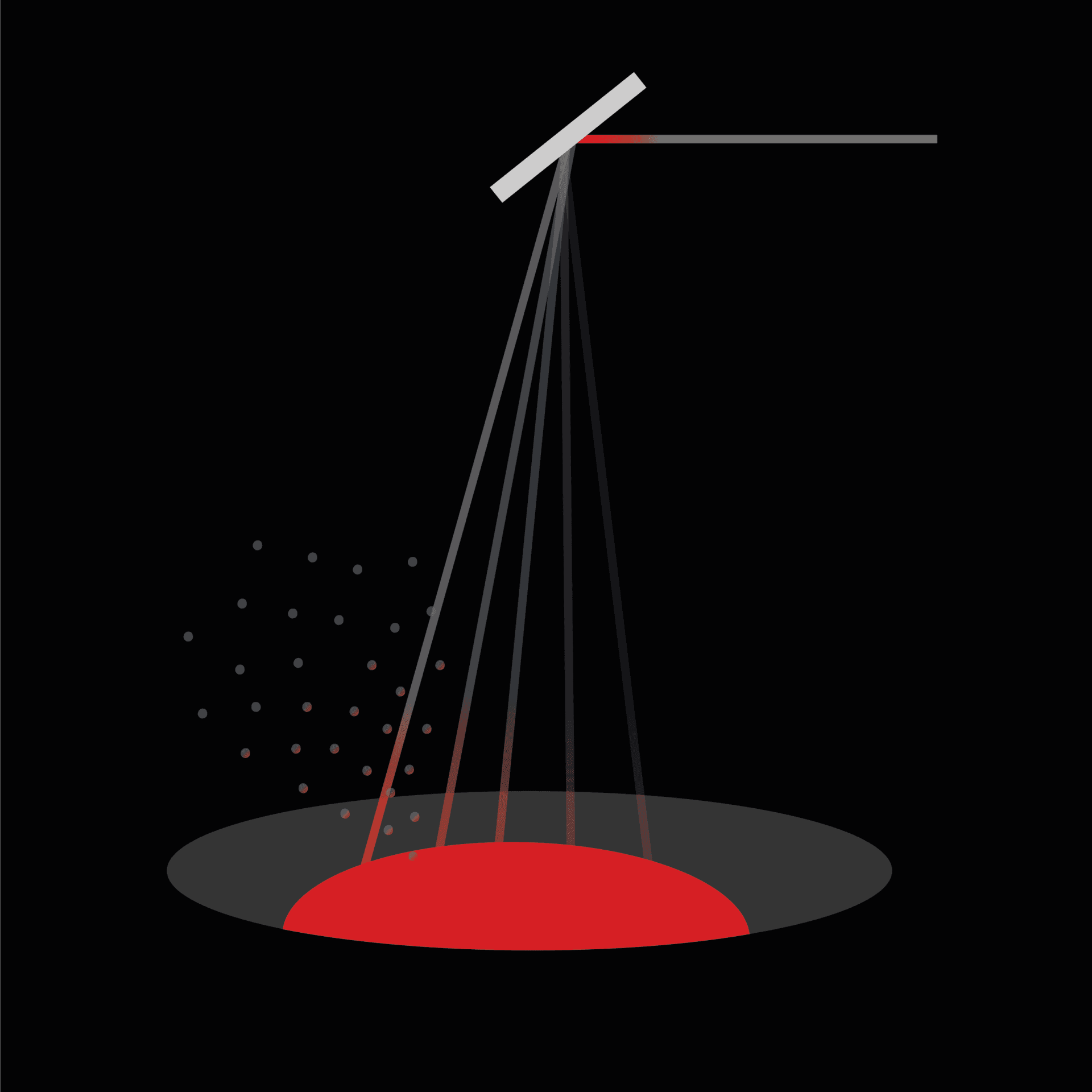
- A high power fiber laser selectively melts the powder according to the sliced geometry
- The molten pool rapidly solidifies in a controlled inert atmosphere, most often argon or nitrogen
- The build platform lowers and the cycle repeats until the part is complete
Modern systems frequently use multiple lasers to increase productivity, reaching build rates close to 1000 cubic centimeters per hour for selected geometries. Support structures are required to anchor parts to the build plate and manage thermal stresses caused by rapid heating and cooling.
Selective laser melting materials and their properties
SLM materials are typically supplied as spherical metal powders engineered for stable spreading, consistent melting behavior, and reliable layer formation in LPBF systems. Beyond chemistry, performance depends strongly on powder morphology, cleanliness, and contamination control, particularly for reactive materials.
Common selective laser melting materials
Ti6Al4V
A leading choice for aerospace and medical applications, Ti6Al4V is valued for its high strength relative to weight, corrosion resistance, and biocompatibility. It is widely used for lightweight structural components and load bearing implants, including designs with porous lattices that support bone integration.
AlSi10Mg
This aluminum alloy is commonly used for lightweight parts that benefit from good thermal conductivity and stable processing behavior. Typical applications include housings, brackets, and industrial components where low mass and complex geometry are priorities.
316L stainless steel
316L is widely adopted due to its corrosion resistance and reliable process behavior in SLM. It is frequently used in medical tooling, chemical processing equipment, and functional prototypes exposed to humid or aggressive environments.
Inconel 718
A nickel based superalloy designed for harsh operating conditions, Inconel 718 maintains strength and oxidation resistance at elevated temperatures. It is commonly applied in turbines, hot gas path components, and aerospace and energy systems where thermal loads are critical.
Cobalt chromium alloys
Cobalt chromium materials are selected for high wear resistance and long term stability. In SLM, they are widely used for dental restorations and orthopedic applications that require durability, surface stability, and biocompatibility.
C103 alloy (niobium based alloy)
C103 is a refractory niobium based alloy used in high temperature aerospace environments, particularly in propulsion related applications. It is most relevant in research, prototyping, and specialized production contexts where elevated temperature capability and material stability are required.
Powder reuse is an important practical consideration in SLM workflows. With appropriate sieving, handling, and contamination control, unused powder can often be reused across multiple cycles. Reactive materials such as titanium and niobium based alloys require strict atmosphere control and careful oxygen management to preserve consistent quality and repeatable results.
Key advantages of selective laser melting in additive manufacturing
Selective laser melting offers several advantages over conventional manufacturing methods such as CNC machining or casting.
Design freedom and part consolidation
SLM enables internal channels, lattice structures, and topology optimized geometries that cannot be produced using traditional techniques. This often reduces multi part assemblies into single components, lowering weight and minimizing potential failure points.
High density and mechanical strength
With densities exceeding 99.7 percent, selective laser melting produces parts with excellent tensile strength and fatigue performance. After post processing, mechanical properties can rival or exceed those of forged components.
Shorter development cycles and material efficiency
SLM allows parts to be produced directly from CAD data without tooling or molds. This significantly shortens development timelines and reduces material waste, especially for high value alloys.
Customization and lightweighting
The process supports mass customization, such as patient specific implants, and enables weight reductions exceeding 40 percent through lattice structures in aerospace applications.
For many users asking what is selective laser melting, the answer lies in its ability to combine functional performance with geometric freedom
Challenges in additive manufacturing selective laser melting
Despite its advantages, additive manufacturing selective laser melting presents several challenges that must be addressed for reliable production.
- Residual stresses and warping caused by steep thermal gradients
- Limited build speed for fine features, typically ranging from 10 to 1000 cubic centimeters per hour
- Mandatory post processing including support removal, heat treatment, and surface finishing
- High investment costs, with machines exceeding 200,000 USD and powder prices between 80 and 250 USD per kilogram
Materials such as nickel based superalloys require carefully optimized process parameters to avoid defects like porosity or cracking.
Post processing steps for optimal SLM part performance
Achieving wrought like properties usually requires post processing.
Common steps include:
- Stress relief heat treatment to reduce internal stresses
- Removal of support structures using machining or EDM
- Hot isostatic pressing to close internal pores and improve fatigue life
- Surface finishing through machining, peening, or polishing
After HIP, SLM parts often demonstrate isotropic mechanical properties and high cycle fatigue performance comparable to cast or forged materials.
Industries using selective laser melting today
Selective laser melting materials are widely adopted across high value industries.
Aerospace
Lightweight brackets, turbine components, and fuel systems
Medical
Custom titanium implants with porous lattices for bone integration
Automotive
Tooling inserts with conformal cooling channels reducing cycle times
Tooling and molds
Complex cooling geometries in tool steels
Well known examples include aerospace propulsion programs where SLM reduced part counts by over 80 percent through consolidation.
Design considerations for selective laser melting
Designing specifically for SLM improves success rates and part quality.
Key guidelines include:
- Overhang angles below 45 degrees or supported
- Minimum wall thickness around 0.8 mm
- Proper orientation to minimize supports and thermal distortion
- Powder escape holes in enclosed cavities
Simulation tools are increasingly used to predict residual stresses and deformation before printing.
Why powder quality is critical in selective laser melting
Powder quality directly influences melt pool stability and part integrity.
Important powder characteristics include:
- Spherical particle shape for consistent flow
- Narrow particle size distribution
- Low oxygen and moisture content
- Controlled reuse cycles with sieving and filtration
Poor powder quality can cause defects such as balling, lack of fusion, or internal porosity.
Where AMAZEMET fits within the selective laser melting ecosystem
High quality metal additive manufacturing begins with reliable powder production. AMAZEMET specializes in ultrasonic and induction atomization technologies that support research and industrial development of metal powders for demanding applications.
The company focuses on materials relevant to powder bed fusion, including refractory and high melting point alloys used in aerospace and energy sectors. Some exotic or precious metals discussed in academic contexts fall outside practical SLM use and are not part of AMAZEMET’s scope.
For teams working on metal additive manufacturing, AMAZEMET supports feasibility studies, powder development, and atomization trials that align material selection with real process requirements.
Final thoughts on selective laser melting
Selective laser melting is a mature yet rapidly evolving technology that enables high performance metal components with unmatched design flexibility. Its success depends not only on machine capability, but also on material selection, powder quality, and process control.
Understanding both the advantages and limitations of SLM allows engineers to apply the technology where it delivers real value rather than unrealistic expectations.
Share this content!